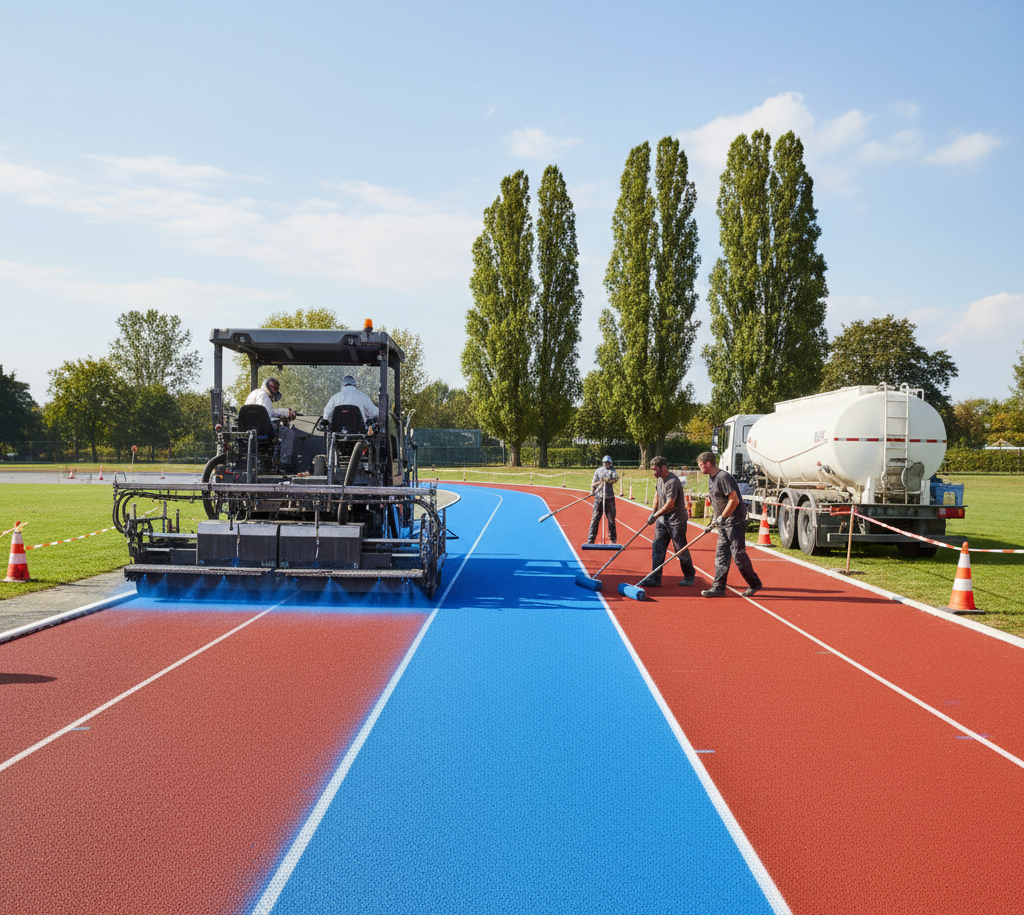
Spray coating has emerged as a versatile, fast and durable solution for a wide range of construction needs across Arunachal Pradesh. From hilly terrains and hydropower projects to commercial complexes and highway infrastructure, spray-applied materials — including polyurethanes, epoxies, acrylics and cementitious coatings — protect structures from water ingress, corrosion, abrasion and thermal stress. This page explains what spray coating is, why it matters in Arunachal Pradesh’s climate and geography, common applications, materials and processes, quality checks, maintenance tips, and how to choose the right contractor.
What is spray coating?
Spray coating is the application of liquid protective materials using high-volume low-pressure (HVLP), plural-component or airless spray systems. The materials cure to form a continuous, seamless membrane or a dense protective film that bonds to substrates such as concrete, steel, timber and masonry. Unlike roll-on or sheet systems, spray-applied coatings can reach complex shapes, penetrate joints and produce consistent thickness across large surfaces — making them ideal for large-scale civil and industrial projects.
Why spray coating matters in Arunachal Pradesh
Arunachal Pradesh’s topography includes high rainfall zones, snow-prone highlands, and regions with extreme humidity. These climatic factors lead to moisture penetration, freeze–thaw damage and corrosion of structural materials. Key reasons to prefer spray-coating solutions here include:
- Superior waterproofing: Seamless membranes prevent leak paths at joints and penetrations common on roofs, retaining walls and tanks.
- Corrosion protection: Metal structures in hydro plants and bridges benefit from epoxy and polyurethane coatings.
- Thermal and moisture resistance: Spray-applied coatings insulate structures against rapid temperature fluctuations in mountain climates.
- Rapid application: Large infrastructure like tunnels, bridges and power stations can be coated efficiently, minimizing downtime.
Common applications in the state
- Hydropower projects and dams — protection of spillways, reservoirs, gates and tunnels from erosion and water seepage.
- Roof and terrace waterproofing — both new construction and retrofitting of existing government and residential buildings.
- Industrial floors and water treatment plants — coating of concrete tanks and mechanical floors for durability.
- Bridges and retaining structures — protective coating against moisture and carbonation.
- Educational and healthcare buildings — long-lasting waterproofing systems for roofs and walls.
Materials used and their benefits
- Polyurethane coatings: Excellent UV resistance, flexibility and long-term durability — good for exposed roofs and terraces.
- Epoxy systems: High chemical and abrasion resistance — preferred for floors, tanks and areas with heavy mechanical stress.
- Acrylics and elastomeric coatings: Cost-effective, UV-tolerant and flexible — suitable for facades and parapets.
- Cementitious spray mortars: Bond well to concrete, used for waterproofing basements, tunnels and structural rehabilitation.
- Polyurea and hybrid polyurea: Fast-curing, extremely durable membranes used in projects requiring immediate return-to-service.
The spray-coating process — step by step
- Site survey and specification: Engineers inspect substrate condition, moisture and cracks to select the right system.
- Surface preparation: Cleaning and removal of laitance or rust using blasting or grinding. Proper preparation ensures adhesion.
- Priming: Application of a compatible primer to seal the surface.
- Spray application: Using specialized spray equipment, coatings are applied to designed thicknesses. Plural-component systems are mixed at the nozzle for consistent curing.
- Quality inspection: Non-destructive tests, adhesion checks and visual inspections verify results.
- Topcoat/finish: UV-resistant topcoats protect exposed areas from sunlight and weather.
Quality checks and standards
To ensure durable performance, contractors must follow manufacturer specifications and national standards. Key checks include:
- Surface cleanliness and profile measured in microns
- Ambient and substrate temperature and humidity during application
- Dry film thickness recorded after each coat
- Adhesion testing using pull-off tests where required
- Curing time and sequence monitored for accuracy
Request data sheets, product certifications and sample site inspections before finalizing a vendor.
Safety and environmental considerations
Spray-coating operations require trained personnel, PPE, and environmental controls to prevent overspray. Best practices include:
- Ensuring proper ventilation in enclosed spaces
- Masking sensitive equipment and vegetation nearby
- Using solvent-free or low-VOC systems for eco-friendly construction
- Disposing of waste material responsibly
Modern products are available with minimal environmental impact — ideal for ecologically sensitive zones in Arunachal Pradesh.
Maintenance and life-cycle care
Regular maintenance ensures long service life. Annual inspections after heavy rain or snow seasons help detect early wear signs like chalking, blistering or localized delamination. Small repairs can be handled using touch-up sprays or recoating to restore barrier performance.
Choosing the right contractor in Arunachal Pradesh
When selecting a contractor, consider:
- Local experience with hilly terrain and climatic challenges
- Trained applicators with certified equipment
- Quality assurance and documentation for every stage
- After-service support for warranty and maintenance
Local expertise in Arunachal Pradesh’s geography — including remote access projects and high-altitude weather — is critical for success.
Cost considerations
The total cost depends on the type of coating, site condition, and application area. Although premium systems like polyurea or epoxy may cost more initially, their extended lifespan and reduced maintenance lower long-term costs. Compare total life-cycle cost rather than only upfront expense.
Conclusion
Spray-coating is a modern, reliable and eco-friendly technique that helps protect and extend the life of critical infrastructure in Arunachal Pradesh. From hydropower plants and bridges to residential buildings and institutions, a properly applied coating system provides superior waterproofing, corrosion resistance and aesthetic appeal. Choosing a qualified contractor, quality products, and following strict application standards ensures your project stands strong against the region’s demanding climate.
Spray‑Coating Construction in Arunachal Pradesh – FAQ
1. What is spray‑coating construction?
Spray‑coating construction refers to the process of applying protective or functional coatings to surfaces (such as floors, roofs, walls, metal structures, and industrial equipment) using specialized spray equipment. It creates a uniform, durable layer that enhances surface performance and protection.
2. Where is spray‑coating used in construction projects?
Spray coatings are commonly used for:
-
Waterproofing roofs, terraces, and decks
-
Protective floor coatings
-
Corrosion resistance on metal infrastructure
-
Weatherproofing and surface finishes
-
Industrial and commercial buildings
This versatility makes spray‑coating valuable in many construction applications in Arunachal Pradesh.
3. What types of spray coatings are available?
Typical spray‑coating systems include:
-
Polyurethane (PU) coatings – Durable and flexible
-
Polyurea coatings – Highly abrasion and corrosion resistant
-
Acrylic coatings – Weather‑resistant and versatile
-
Epoxy coatings – Strong and chemical resistant
Each type is selected based on the specific construction need and surface type.
4. Why are spray coatings preferred over conventional painting?
Spray coatings provide:
-
Faster and more uniform application
-
Better surface adhesion and coverage
-
Higher durability and protection
-
Reduced material waste
-
Better resistance to weather and wear
These advantages make spray coating a strong option for both structural and protective applications.
5. Is spray‑coating suitable for Arunachal Pradesh’s climate?
Yes. Appropriate spray coatings—especially waterproof and weather‑resistant systems—are designed to withstand the diverse climatic conditions in Arunachal Pradesh, such as monsoon rains, humidity, and varying temperatures. Using UV‑resistant and waterproof coating materials ensures performance in this region.
6. How long does a spray‑coating job take?
The duration depends on:
-
Area and surface type
-
Type of coating used
-
Weather conditions
-
Preparation needed (cleaning, sanding, priming)
Smaller areas can be completed in a day, while larger construction or industrial surface projects may take several days.
7. Does spray‑coating require surface preparation?
Yes. Proper surface preparation—including cleaning, removal of dust and contaminants, and sometimes sanding or priming—is essential. This step ensures strong adhesion and long‑lasting results.
8. Is spray coating environmentally friendly?
Many modern spray coatings are available in low‑VOC (volatile organic compound) or water‑based formulations, making them more environmentally compliant and suitable for construction projects aiming for better indoor air quality.
9. How long do spray‑coated surfaces last?
With quality materials and professional application, spray‑coated surfaces can last several years, depending on exposure, surface type, and maintenance practices.
10. Can spray‑coating protect against water and moisture?
Yes. Certain coatings—such as polyurethane, polyurea, and specialized waterproofing sprays—provide excellent waterproofing and moisture resistance, making them ideal for terraces, roofs, and outdoor structures.
11. How much does spray‑coating construction cost in Arunachal Pradesh?
Costs vary based on:
-
Coating type and quality
-
Surface area and complexity
-
Accessibility of site
-
Preparation work needed
It’s best to obtain detailed quotes from local contractors for accurate pricing.
12. Why should I hire a professional spray‑coating contractor in Arunachal Pradesh?
A professional contractor ensures:
-
Accurate assessment of surface needs
-
Proper material selection
-
Experienced application for uniform coating
-
Compliance with safety and construction standards
-
Long‑term durability and warranty support
Professional service helps guarantee better performance in the region’s unique climatic conditions.