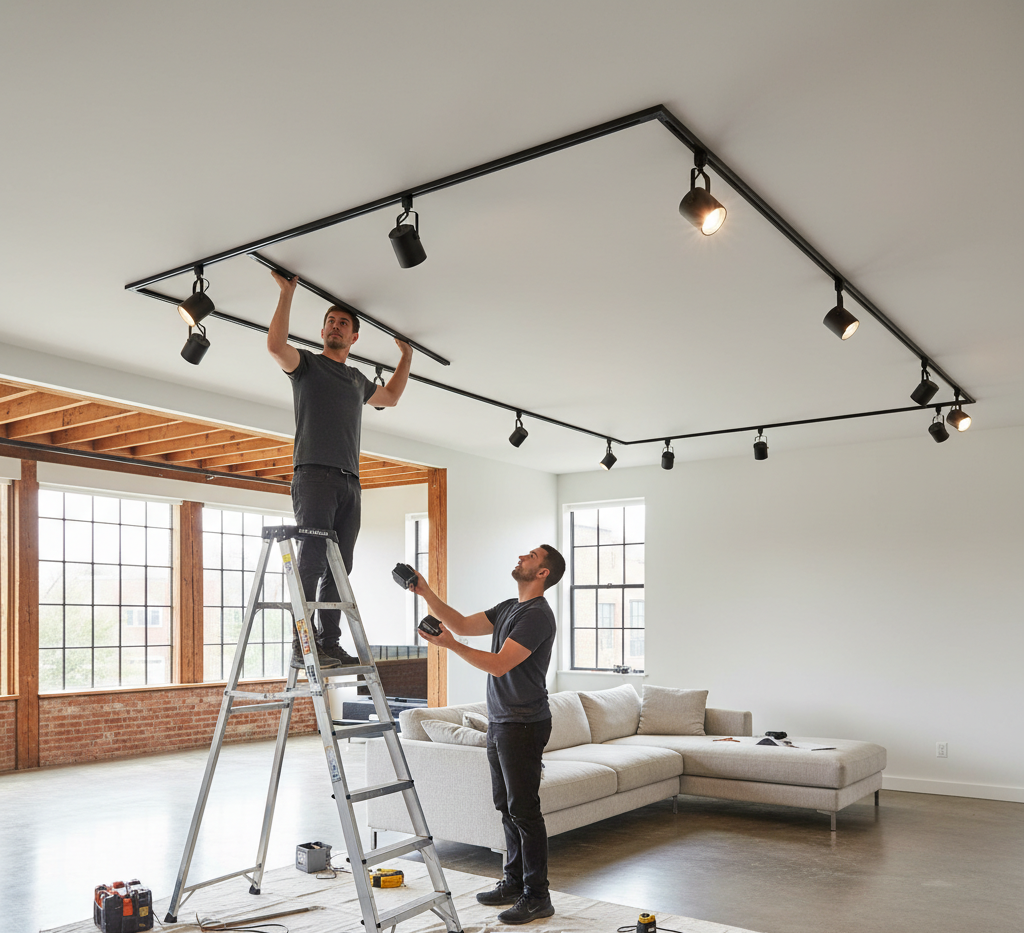
Proper track lighting installation is crucial for athletic tracks, stadiums, and sports complexes, providing visibility, safety, and performance enhancement for athletes during evening or night training and competitions. Well-designed lighting not only improves visibility but also contributes to aesthetic appeal, energy efficiency, and regulatory compliance.
Whether installing lighting for schools, universities, professional stadiums, or community sports facilities, attention to design, placement, and technology ensures long-term usability and performance.
1. Importance of Track Lighting Installation
-
Athlete Safety
-
Adequate lighting reduces the risk of trips, falls, and collisions during training or competitions.
-
Properly illuminated tracks improve depth perception and reaction time, especially in sprinting and hurdles.
-
-
Extended Usability
-
Enables training and competitions beyond daylight hours, maximizing facility usage.
-
Supports recreational running and walking for community fitness programs in the evening.
-
-
Performance Optimization
-
Even illumination across the track ensures consistent visibility and minimal shadows, helping athletes maintain stride and rhythm.
-
-
Regulatory Compliance
-
Professional tracks must comply with lighting standards for competitions, including minimum lux levels and uniformity.
-
Adequate lighting ensures facilities are eligible for official events.
-
-
Energy Efficiency and Cost Management
-
Modern LED lighting reduces energy consumption, maintenance costs, and environmental impact.
-
2. Key Components of Track Lighting Systems
-
Light Poles and Towers
-
Height: Typically 12–18 meters depending on track size and coverage requirements.
-
Material: Galvanized steel or aluminum for durability.
-
Placement: Positioned to minimize shadows and glare while providing even coverage.
-
-
Lighting Fixtures
-
LED floodlights or high-intensity discharge (HID) lamps.
-
Adjustable angles to cover straightaways and curves efficiently.
-
IP-rated for outdoor weather resistance.
-
-
Control Systems
-
Automated or manual controls for switching, dimming, and scheduling.
-
Integration with timers, motion sensors, or remote control systems for convenience.
-
-
Cabling and Power Supply
-
Underground or overhead cables for power distribution.
-
Surge protection and grounding to prevent electrical hazards.
-
-
Poles Foundation and Mounting
-
Concrete foundations ensure stability in wind and weather conditions.
-
Adjustable mounts allow tilting and rotation of fixtures for optimal coverage.
-
3. Steps in Track Lighting Installation
Step 1: Planning and Design
-
Conduct a site survey to determine track size, pole placement, and illumination requirements.
-
Calculate lux levels, beam angles, and fixture placement for uniform coverage.
-
Consider glare control and light spill to minimize impact on nearby areas.
Step 2: Pole Foundation Construction
-
Excavate holes for light poles with sufficient depth and diameter.
-
Pour reinforced concrete foundations and allow curing for structural stability.
-
Ensure alignment and vertical positioning before foundation sets.
Pole Installation
-
Erect poles using cranes or lifting equipment.
-
Anchor poles securely to foundations and verify vertical alignment.
-
Install fixtures on poles with adjustable mounts.
Wiring and Electrical Connection
-
Lay underground conduits and cabling for power distribution.
-
Connect fixtures to the control system, ensuring proper grounding and safety.
-
Install surge protection and circuit breakers to prevent electrical hazards.
Testing and Adjustment
-
Switch on the lighting system and verify illumination uniformity, brightness, and coverage.
-
Adjust angles and positions of fixtures to eliminate shadows and dark spots.
-
Measure lux levels to ensure compliance with regulatory standards.
Final Inspection
-
Inspect poles, fixtures, cabling, and control systems for structural integrity and safety.
-
Ensure that the system is fully operational and ready for use.
4. Factors Affecting Track Lighting Installation
-
Track Size and Shape
-
Larger tracks require more poles and fixtures for uniform lighting.
-
Oval tracks with curves may need angled or additional fixtures to eliminate shadows.
-
-
Type of Lighting Fixture
-
LED lights are energy-efficient, long-lasting, and provide better color rendering.
-
HID lamps are cheaper initially but consume more energy and require frequent maintenance.
-
-
Pole Height and Placement
-
Taller poles provide wider coverage but require stronger foundations.
-
Improper placement may cause glare or uneven illumination.
-
-
Control System Complexity
-
Automated systems increase convenience but also cost more.
-
Manual systems are simpler but may require more effort to manage.
-
-
Environmental Considerations
-
Outdoor exposure to rain, wind, and dust affects fixture choice and installation methods.
-
5. Maintenance Considerations
-
Fixture Cleaning
-
Regularly clean lenses to maintain brightness and efficiency.
-
-
Lamp Replacement
-
LED fixtures last longer, but HID lamps may need periodic replacement.
-
-
Pole and Foundation Inspection
-
Check for corrosion, cracks, or structural damage.
-
Reinforce or repair as needed for safety.
-
-
Electrical Checks
-
Inspect wiring, breakers, and grounding regularly.
-
Ensure surge protection systems are functional.
-
-
Control System Testing
-
Verify automated timers, dimming functions, and remote controls periodically.
-
6. Benefits of Proper Track Lighting Installation
-
Extended Operational Hours: Enables evening and night training sessions.
-
Enhanced Safety: Reduces accidents due to poor visibility.
-
Professional Standards: Meets competition lighting requirements.
-
Energy Efficiency: Modern LED systems reduce operational costs.
-
Aesthetic Appeal: Well-lit tracks improve the overall appearance of athletic facilities.
-
Multi-Functionality: Supports track events, community recreation, and evening walking/jogging.
7. Applications of Track Lighting
-
Professional Stadiums: Evening competitions and training sessions.
-
Schools and Universities: Extended use of tracks for physical education and athletics programs.
-
Community Sports Complexes: Safe jogging and running after dark.
-
Training Centers: Allows elite athletes to train at all hours without compromising performance.
Track lighting is crucial for all facilities seeking to maximize usability and ensure athlete safety.
8. Tips for Effective Track Lighting
-
Conduct a lighting survey before installation to identify shadows and glare.
-
Use energy-efficient LED fixtures for cost savings and longevity.
-
Position poles to avoid light spill into residential areas.
-
Regularly maintain fixtures and control systems for optimal performance.
-
Consider integrating motion sensors or timers for efficient energy use.
9. Conclusion
Proper track lighting installation is essential for modern athletic facilities, ensuring safety, performance, and extended usability. From schools and universities to professional stadiums, well-planned and maintained lighting systems enhance visibility, reduce injury risk, and create a professional environment for athletes.
Investing in high-quality poles, fixtures, and control systems, along with regular maintenance, guarantees a long-lasting, energy-efficient, and safe lighting solution for all types of athletic tracks and outdoor sports facilities.