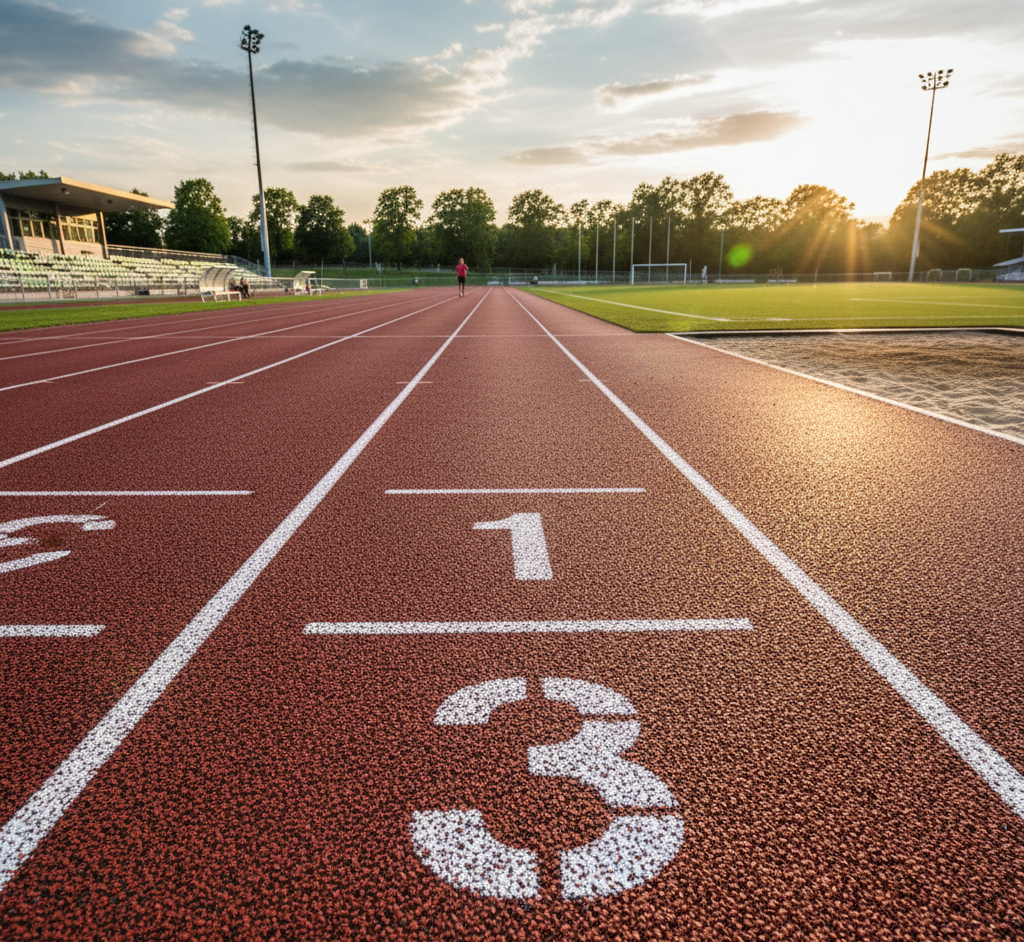
In modern athletic infrastructure, EPDM track surfacing has become one of the most preferred choices for running tracks, playgrounds, and multi-sport facilities. Known for its elasticity, UV stability, and vibrant color options, EPDM (Ethylene Propylene Diene Monomer) rubber provides athletes with a surface that’s both high-performing and safe.
Whether you’re building a professional athletics track, a school training ground, or a community sports facility, EPDM surfacing ensures long-term durability, minimal maintenance, and excellent weather resistance—all while delivering superior comfort and traction.
1. What is EPDM Track Surfacing?
EPDM track surfacing refers to a synthetic rubber system made from EPDM granules bound with polyurethane resin to create a resilient, slip-resistant, and colorful athletic surface.
EPDM is a type of synthetic rubber known for its elasticity, flexibility, and ability to withstand harsh weather conditions. It is commonly used as the top layer in polyurethane running tracks, playground flooring, and multi-purpose courts.
When installed professionally, EPDM track surfaces provide a seamless, cushioned, and high-grip running area that meets international athletic standards such as those set by World Athletics (formerly IAAF).
2. Composition and Structure
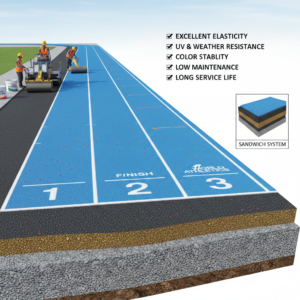
A standard EPDM track surface consists of multiple engineered layers, each serving a specific function to enhance performance and longevity:
-
Base Layer:
A compacted asphalt or concrete base ensures proper stability and drainage. -
Cushion Layer (SBR Granules + PU Binder):
A shock-absorbing base made of black SBR (Styrene-Butadiene Rubber) granules mixed with polyurethane binder. This layer provides elasticity and impact reduction. -
EPDM Wear Layer:
The top layer made of colored EPDM granules bound with polyurethane resin. It provides excellent traction, UV stability, and resistance to wear and tear. -
Line Marking:
Finally, durable polyurethane or acrylic paint is applied for lane markings, numbering, and event zones.
The combination of these layers creates a durable, flexible, and athlete-friendly running surface suitable for all levels of performance.
3. Why Choose EPDM for Track Surfacing
EPDM surfacing offers numerous advantages that make it a top choice for athletics and sports facilities:
-
✅ Excellent Elasticity – Ensures superior shock absorption and energy return.
-
✅ UV and Weather Resistance – Does not crack, fade, or harden under sunlight or rain.
-
✅ Slip-Resistant Texture – Provides safe traction for athletes in all weather conditions.
-
✅ Color Stability – Available in vibrant shades that stay bright for years.
-
✅ Low Maintenance – Easy to clean and maintain compared to other flooring types.
-
✅ Eco-Friendly Material – Made from non-toxic, recyclable synthetic rubber.
-
✅ Long Service Life – Can last 10–15 years with minimal upkeep.
These benefits make EPDM surfacing an ideal choice for outdoor tracks and multipurpose athletic zones.
4. Types of EPDM Track Surfacing Systems
EPDM surfacing can be used in several track construction systems depending on performance requirements and budget:
a. Spray-Coated PU Track with EPDM Finish
A cost-effective system where EPDM granules are sprayed over a polyurethane base. Suitable for schools and community tracks.
b. Sandwich System
Combines an SBR elastic base with a polyurethane middle layer and EPDM top coat. Offers enhanced shock absorption and professional-level performance.
c. Full-Pour PU Track with EPDM Granules
A premium system where the EPDM layer is mixed directly into the polyurethane resin and poured in place. Designed for elite competition venues.
d. Prefabricated EPDM Mats
Pre-manufactured EPDM sheets installed over the base for quick installation and consistent quality—ideal for indoor tracks or small projects.
5. Installation Process of EPDM Track Surfacing
Installing an EPDM running track requires expert craftsmanship and precise environmental control. Below is the step-by-step process:
Step 1: Base Preparation
Track lanes, event areas, and numbers are painted using high-durability, UV-stable paints that adhere perfectly to EPDM surfaces.
6. Key Performance Features
EPDM track surfacing delivers a combination of properties that make it stand out:
| Feature | Benefit |
|---|---|
| Elastic Cushioning | Reduces impact on joints and muscles |
| Slip Resistance | Ensures safety during wet or dry conditions |
| Durability | Resists cracking, abrasion, and fading |
| Energy Return | Improves running efficiency |
| UV Resistance | Maintains color and texture for years |
| Temperature Stability | Performs well from -40°C to +80°C |
These characteristics make EPDM tracks ideal for both amateur and professional athletes.
7. Applications of EPDM Surfacing
EPDM rubber surfacing is extremely versatile and suitable for a wide range of applications:
-
Athletics Running Tracks
-
Playgrounds and Recreational Parks
-
Multi-Sport Courts
-
Indoor and Outdoor Training Facilities
-
School and College Grounds
-
Jogging Paths and Walking Tracks
Its combination of performance, safety, and aesthetics makes it an excellent choice for both functional and decorative sports flooring.
8. Maintenance and Longevity
EPDM tracks require minimal maintenance compared to traditional surfaces. Here are some maintenance tips:
-
Regularly remove debris and dirt to maintain traction.
-
Clean with mild detergent and water to prevent buildup.
-
Avoid heavy machinery or vehicles on the surface.
-
Reapply protective coatings or line markings as needed.
-
Inspect joints and seams annually for early signs of wear.
With proper care, EPDM surfacing can last up to 15 years while retaining its elasticity and vibrant color.
9. Environmental and Safety Advantages
-
Non-toxic and heavy metal-free materials.
-
Low VOC polyurethane binders to reduce air emissions.
-
Recyclable components, supporting sustainable development.
-
Safe traction that minimizes slips and falls.
10. Comparison: EPDM vs Other Track Surfaces
| Parameter | EPDM Track | Polyurethane Track | Rubber Track |
|---|---|---|---|
| Elasticity | Excellent | Very Good | Good |
| Weather Resistance | Excellent | Very Good | Moderate |
| Color Options | Wide Range | Limited | Moderate |
| Maintenance | Low | Moderate | Moderate |
| Cost | Moderate | High | Low |
| Lifespan | 10–15 Years | 12–15 Years | 8–10 Years |
EPDM tracks offer premium performance at a moderate cost, making them one of the most practical solutions for modern sports facilities.
11. Certified Quality and Standards
Professional EPDM track installations can comply with World Athletics (IAAF) and ISO quality standards when constructed using certified materials and proper methods. These certifications validate performance in:
-
Energy restitution
-
Shock absorption
-
Slip resistance
-
Surface evenness
Such compliance ensures that EPDM tracks can host official athletic competitions while maintaining safety and reliability.
12. Conclusion
EPDM track surfacing represents the future of safe, durable, and high-performance athletic flooring. With its combination of elasticity, weather resistance, and vibrant aesthetics, it provides athletes with the confidence to perform their best—rain or shine.
EPDM Track Surfacing – FAQ
1. What is EPDM track surfacing?
EPDM track surfacing is a seamless rubberized surface made from EPDM granules bonded with polyurethane resin. It is designed for athletic tracks to provide cushioning, durability, and safe traction.
2. Where is EPDM track surfacing used?
EPDM surfacing is commonly used in running tracks, jogging paths, stadiums, schools, parks, sports academies, and fitness facilities.
3. What are the key advantages of EPDM track surfacing?
EPDM offers shock absorption, slip resistance, UV stability, weather resistance, and long-term durability. It provides a comfortable running surface while reducing impact stress on joints.
4. How durable is EPDM track surfacing?
EPDM tracks are highly durable and can last 8–15 years with proper installation and maintenance. They resist cracking, fading, and surface wear.
5. Is EPDM surfacing suitable for all weather conditions?
Yes. EPDM is designed to perform in extreme heat, rain, and cold climates. It does not easily harden, soften excessively, or degrade under sunlight.
6. What thickness options are available?
Typical EPDM surfacing thickness ranges from 8 mm to 15 mm, depending on the level of athletic use and safety requirements.
7. Is EPDM track surfacing safe for athletes?
Yes. The cushioned surface absorbs impact, improves grip, and reduces injury risk. It is non-toxic and safe for athletes of all ages.
8. Can EPDM tracks be customized in design?
Yes. EPDM surfacing is available in multiple colors and can include lane markings, logos, and custom patterns.
9. What base is required for installation?
A stable base such as concrete or asphalt is recommended. Proper base preparation ensures long-term performance and surface stability.
10. How is EPDM track surfacing maintained?
Maintenance is minimal:
-
Routine sweeping or blowing debris
-
Washing with water as needed
-
Inspecting for minor damage
No special chemical treatments are required.