
Running is one of the simplest and most accessible forms of exercise. Whether you’re training for a marathon, improving your fitness, or just enjoying some fresh air, running on a track is an excellent way to measure your speed, endurance, and progress. One of the most common questions among runners—beginners and experienced alike—is: “How long does it take to run around a track?”
In this blog, we’ll explore factors affecting track running times, typical running paces, tips to improve speed, and what to expect depending on your fitness level.
Understanding Track Measurements
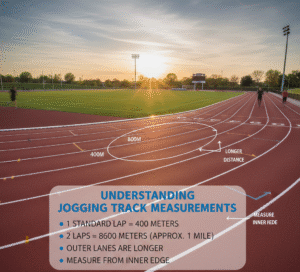
Most standard outdoor and indoor running tracks are 400 meters per lap, which is approximately 0.25 miles. Some tracks, especially those in high school or recreational facilities, may vary slightly in length, but 400 meters is the standard for professional competitions.
Knowing the distance of a lap is essential because it allows you to calculate your speed, pace, and total distance covered. For example, if you plan to run 5 kilometers, you would need to complete 12.5 laps around a standard 400-meter track.
Factors That Influence Running Time

The time it takes to run around a track varies widely depending on several factors:
1. Fitness Level
A beginner runner may take longer to complete a lap due to lower stamina and muscle conditioning. In contrast, an experienced runner or an athlete can maintain a faster pace with proper form and endurance.
-
Beginners: 2.5–3.5 minutes per lap
-
Intermediate runners: 2–2.5 minutes per lap
-
Advanced runners: 1.5–2 minutes per lap
2. Age and Gender
Age can significantly affect running speed. Younger runners typically have higher stamina and quicker recovery, while older runners may take longer to complete a lap. Gender also plays a role, as men and women generally have different average running paces due to physiological differences.
3. Running Experience
Those who have been running regularly will generally have better endurance, breathing control, and stride efficiency, which allows them to complete laps faster. Beginners often take time to develop a rhythm.
4. Track Surface
The type of track surface matters too. Tracks may be made of synthetic materials, rubber, asphalt, or even grass. Synthetic and rubber tracks provide better traction and are easier on the joints, allowing for faster lap times compared to grass or rough asphalt.
5. Weather Conditions
Temperature, wind, and humidity all play a role. Running in hot and humid conditions can slow you down, while cooler weather often allows for better performance. Wind resistance can also affect your lap times, particularly on outdoor tracks.
6. Running Technique
Proper running form—including posture, stride length, arm movement, and breathing—can impact speed. Efficient technique allows you to conserve energy, reduce fatigue, and complete laps more quickly.
Average Running Times Around a Track
To give you a practical idea, here’s a general estimate of how long it takes to run one lap (400 meters) around a track based on pace:
| Pace per Kilometer | Time per Lap (400m) | Runner Type |
|---|---|---|
| 6 min/km | 2:24 minutes | Beginner |
| 5 min/km | 2:00 minutes | Intermediate |
| 4 min/km | 1:36 minutes | Advanced |
| 3 min/km | 1:12 minutes | Elite Athlete |
For example, if you run at a pace of 6 minutes per kilometer, each 400-meter lap would take approximately 2 minutes and 24 seconds. If you’re running 10 laps, that adds up to around 24 minutes.
How Long Does It Take for Beginners?
For someone new to running, completing a lap may feel challenging at first. Many beginners walk-jog or alternate between walking and running. Here’s a breakdown:
-
Walk-only pace: 4–5 minutes per lap
-
Walk-jog combination: 3–4 minutes per lap
-
Slow jog: 2.5–3 minutes per lap
It’s important for beginners to focus on consistency and form rather than speed. Over time, as your endurance improves, your lap times will naturally decrease.
Training Tips to Improve Your Lap Time
If your goal is to run faster laps around the track, here are some effective tips:
1. Interval Training
Alternate between fast sprints and slow jogging. For example, sprint one lap, jog the next, and repeat. Interval training improves speed, cardiovascular endurance, and muscle strength.
2. Strength Training
Strong legs, core, and glutes contribute to better running performance. Include exercises like squats, lunges, and planks in your routine.
3. Proper Warm-Up and Cool-Down
Always start with a 5–10 minute warm-up to loosen your muscles and prepare your body for running. After running, cool down with stretching to prevent injuries and improve flexibility.
4. Focus on Form
Keep your back straight, shoulders relaxed, and arms swinging naturally. Avoid overstriding, which can lead to fatigue and slower lap times.
5. Track Your Progress
Use a stopwatch, fitness app, or running watch to monitor your lap times. Tracking your progress helps set realistic goals and motivates you to improve.
How Long to Run Multiple Laps
When planning a workout, it’s helpful to know how long it will take to run multiple laps:
-
5 laps (2 km): 10–15 minutes for beginners, 8–10 minutes for intermediates
-
10 laps (4 km): 20–30 minutes for beginners, 15–20 minutes for intermediates
-
20 laps (8 km): 40–60 minutes for beginners, 30–40 minutes for intermediates
These times are approximate and depend on pace, fitness level, and environmental conditions.
Benefits of Running on a Track
Running around a track has unique advantages over running on roads or trails:
-
Consistent Distance: Every lap is the same distance, making it easy to track progress.
-
Low Impact: Tracks are softer than concrete, reducing joint stress.
-
Safe Environment: Enclosed tracks reduce the risk of traffic accidents.
-
Structured Workouts: Tracks allow for interval training and controlled pacing.
Final Thoughts
The time it takes to run around a track varies widely depending on your fitness level, pace, track conditions, and experience. Beginners may take 2.5–4 minutes per lap, while advanced runners can complete it in 1.5–2 minutes. The key is consistency, proper form, and gradual improvement.
Running around a track is more than just a measure of speed—it’s a journey toward better health, endurance, and personal growth. Whether you run for fitness, fun, or competition, every lap you complete brings you closer to your goals.