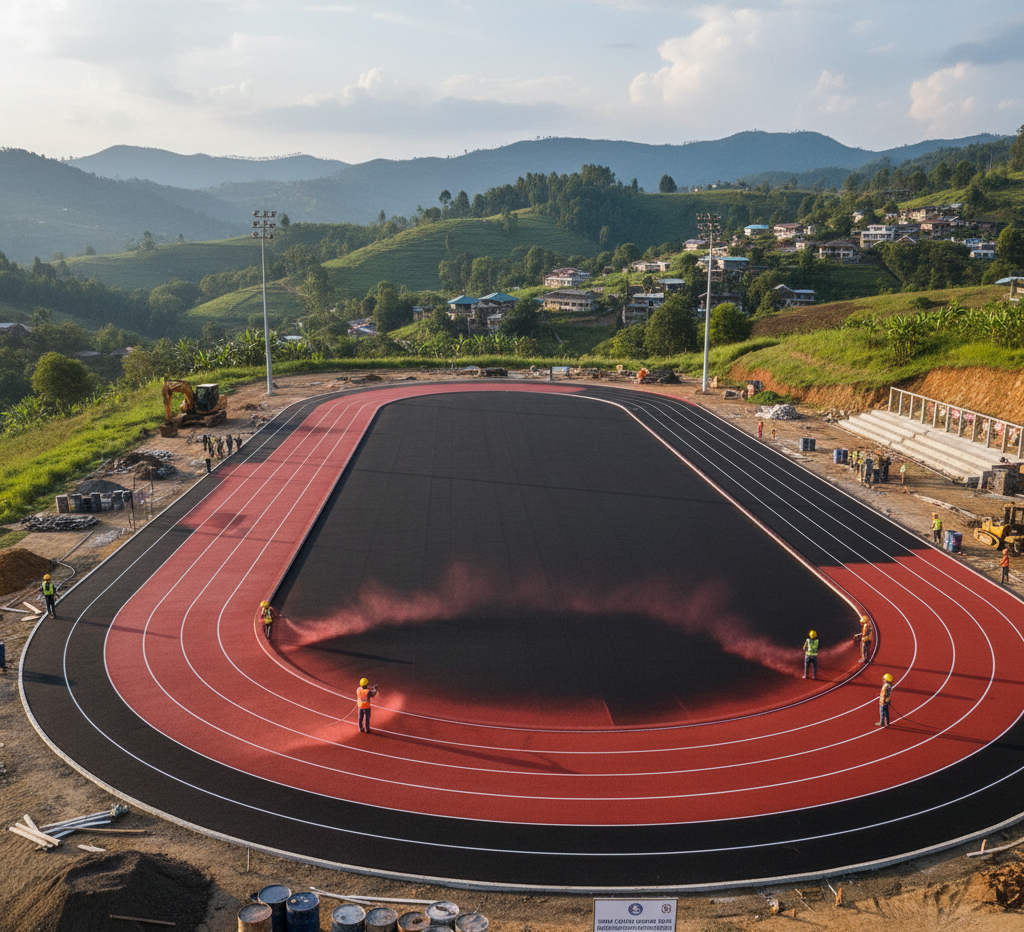
Nagaland, a state known for its rich culture, rolling hills, and love for sports, is witnessing a steady rise in the development of modern athletic infrastructure. With growing interest in athletics, football, and fitness among youth, spray-coating running track construction in Nagaland has become an essential component of the state’s sports development projects.
The state’s humid subtropical climate, characterized by heavy rainfall and high humidity, makes it necessary to use durable, water-resistant, and low-maintenance sports flooring systems. Spray-coated running tracks, made from polyurethane (PU), polyurea, or acrylic materials, offer the perfect combination of performance, durability, and weather resistance, making them ideal for Nagaland’s unique environment.
Why Spray-Coated Running Tracks Are Ideal for Nagaland
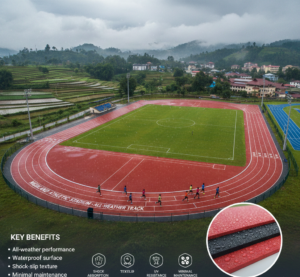
Nagaland’s climatic conditions, with frequent rain and fluctuating temperatures, can cause conventional asphalt or concrete tracks to crack and deteriorate over time. Spray-coated running tracks overcome these challenges by providing a seamless, flexible, and weatherproof surface that performs reliably year-round.
Key Benefits:
-
All-weather performance: Withstands heavy monsoon rains and heat.
-
Waterproof surface: Prevents moisture absorption and cracking.
-
Anti-slip texture: Ensures athlete safety even during wet conditions.
-
Shock absorption: Reduces strain and improves comfort for runners.
-
UV resistance: Maintains color and elasticity in outdoor settings.
-
Minimal maintenance: Easy to clean and long-lasting.
These benefits make spray-coated running tracks the ideal choice for both professional and community-level sports infrastructure in Nagaland.
Popular Spray-Coating Systems Used in Nagaland
-
Polyurethane (PU) System
A professional-grade, multi-layer system used for competitive sports and stadiums. It provides elasticity, resilience, and a seamless finish ideal for track and field events. -
Acrylic Spray Coating System
A cost-effective, eco-friendly system perfect for schools, universities, and recreational facilities. -
Polyurea Hybrid System
Known for its rapid curing and superior water resistance — best suited for Nagaland’s monsoon climate. -
Rubberized PU System
Combines EPDM or SBR rubber granules with polyurethane binders, delivering exceptional comfort and traction.
Step-by-Step Construction Process
-
Site Analysis and Planning:
Survey terrain, drainage, and soil conditions — especially crucial in Nagaland’s hilly areas. -
Base Preparation:
Level and compact the asphalt or concrete base to create a strong foundation. -
Priming:
Apply bonding primer for enhanced adhesion between the surface and the coating. -
Elastic Base Layer:
Lay a resilient PU-rubber mix to provide flexibility and cushioning. -
Spray Coating Application:
Evenly apply polyurethane or polyurea coating using high-pressure spray systems for a seamless finish. -
Surface Texturing and Coloring:
Add EPDM granules or textured coatings to improve grip and aesthetics. -
Line Marking:
Use high-quality, UV-resistant paint for permanent, visible lane markings.
Technical and Performance Highlights
-
Seamless, waterproof design prevents water infiltration.
-
Slip-resistant texture ensures athlete safety during rain.
-
High elasticity and durability under extreme weather.
-
UV stability keeps the surface bright and attractive.
-
Low-VOC, eco-friendly materials.
-
Lifespan of 10–15 years with minimal upkeep.
Applications Across Nagaland
-
Sports Stadiums: For district and state-level athletic competitions.
-
Educational Institutions: Long-lasting tracks for schools and colleges.
-
Public Parks: For community jogging and fitness tracks.
-
Private Sports Academies: Professional-grade running surfaces for athlete training.
Cities like Kohima, Dimapur, Mokokchung, and Tuensang are beginning to see significant growth in spray-coated athletic track installations.
Maintenance and Longevity
-
Regular Cleaning:
Sweep and wash the surface to remove dirt and debris. -
Seasonal Inspection:
Especially post-monsoon, check for drainage and surface condition. -
Re-Coating:
Apply a new surface layer every 8–10 years for improved grip and color restoration. -
Drainage Maintenance:
Ensure proper functioning of drainage systems to avoid waterlogging.
These maintenance steps keep the track performing at its best for years.
Cost Overview for Nagaland
The overall project cost depends on the surface type, size, and site conditions. Below is a general cost estimate:
| System Type | Estimated Cost (per sq.m) | Ideal For |
|---|---|---|
| Acrylic System | ₹600 – ₹900 | Schools, fitness parks |
| Polyurethane (PU) System | ₹900 – ₹1,300 | Stadiums, universities |
| Polyurea Hybrid System | ₹1,200 – ₹1,800 | High-performance all-weather tracks |
Although polyurethane and polyurea systems cost more upfront, they offer unmatched durability and low lifecycle costs — perfect for Nagaland’s weather conditions.
Choosing the Right Contractor in Nagaland
To ensure a world-class installation, selecting the right contractor is key.
Important factors to consider:
-
Experience with terrain and weather challenges in Nagaland.
-
Use of IAAF- or ASTM-certified materials.
-
Availability of modern spray machinery and trained technicians.
-
Proven portfolio of successful projects in similar environments.
-
Provision for after-sales service, warranty, and maintenance.
Hiring a local expert ensures compliance with both climatic and environmental requirements.
Environmental and Safety Standards
-
Use eco-friendly, solvent-free coatings with low VOC emissions.
-
Maintain worker safety protocols during spray application.
-
Follow proper waste disposal and environmental compliance measures.
These practices protect Nagaland’s natural beauty while promoting sustainable development.
Conclusion
Spray-coating running track construction in Nagaland offers a modern, weatherproof, and eco-friendly solution for the state’s growing sports infrastructure. With its seamless, slip-resistant, and highly durable surface, this technology ensures superior performance for athletes while withstanding Nagaland’s challenging monsoon climate.
From schools and colleges to state-of-the-art sports arenas, spray-coated running tracks are transforming athletic facilities across Nagaland. As the state continues to nurture its sporting talent, these innovative tracks are paving the way for a more competitive and sustainable future.
Spray‑Coating Running Track Construction in Nagaland – FAQ
1. What is spray‑coating running track construction?
Spray‑coating running track construction involves applying a polyurethane (PU) spray coating combined with EPDM rubber granules over a prepared base (asphalt or concrete). This creates a durable, textured, weather‑resistant running surface suitable for athletics, school sports, community jogging tracks, and training facilities.
2. Where are spray‑coated running tracks used in Nagaland?
Spray‑coated running tracks are ideal for:
-
Schools and universities
-
Sports academies and training centers
-
Community fitness trails and jogging parks
-
Stadiums and multipurpose sports complexes
Cities and districts such as Kohima, Dimapur, Mokokchung, Wokha, and Tuensang can benefit from these installations.
3. What materials are used in spray‑coated running tracks?
Typical materials include:
-
PU binder: Provides a flexible, adhesive base
-
SBR rubber base layer: Adds cushioning and elasticity
-
EPDM granules (in the spray layer): Enhances traction, durability, color variety, and weather resistance
This combination ensures a safe, resilient, and performance‑oriented surface.
4. How is a spray‑coated running track constructed?
Construction usually involves:
-
Site inspection and base preparation: Leveling and cleaning the concrete or asphalt base
-
Primer application: Improves bonding
-
Rubber base layer installation: Provides shock absorption
-
PU + EPDM spray coating application: Forms the final textured surface
-
Line marking: Painted according to athletics standards
Proper execution at each stage ensures long‑lasting performance and durability.
5. How long does installation take in Nagaland?
Installation time depends on:
-
Track size (e.g., 200 m or 400 m)
-
Condition of the base and preparation required
-
Weather conditions, especially during monsoon season
-
Project complexity
Typically, installation can be completed in several days to a few weeks.
6. Is spray‑coating suitable for Nagaland’s climate?
Yes. With high-quality materials and proper drainage, spray‑coated running tracks can withstand Nagaland’s:
-
Heavy monsoon rainfall
-
High humidity
-
Moderate seasonal temperatures
Proper drainage design ensures long-term performance and prevents waterlogging.
7. What are the advantages of a spray‑coated running track?
Benefits include:
-
Shock absorption and excellent traction
-
Durable, weather-resistant surface
-
Textured, non-slip finish for safer running
-
Lower cost than fully poured PU systems
-
Custom color and design options
These advantages make spray‑coated tracks ideal for educational institutions, community areas, and sports complexes.
8. How long does a spray‑coated track last?
With professional installation and routine maintenance, spray‑coated tracks typically last 8–12 years or more, depending on usage and environmental exposure.
9. Does a spray‑coated track require maintenance?
Yes. Routine maintenance includes:
-
Regular surface cleaning
-
Inspection for wear or damage
-
Minor repairs and touch-ups as needed
Proper maintenance ensures optimal performance and extends the life of the track.
10. Can existing tracks be resurfaced with spray coating?
Yes. If the base layer is still structurally sound, existing tracks can be resurfaced with a new PU spray coating and repainted lane markings.
11. Are spray‑coated tracks safe and performance‑oriented?
Yes. These tracks are designed to provide:
-
Impact cushioning for runners and athletes
-
Reliable traction for starts, acceleration, and turns
-
Reduced slip and injury risk
-
Consistent performance for training and competitions
Professional installation ensures the track meets safety and performance standards.
12. Why hire a professional contractor for spray‑coating track construction in Nagaland?
A professional contractor ensures:
-
Accurate base assessment and site grading
-
Selection of high-quality PU and EPDM materials
-
Proper spray application and curing techniques
-
Standard-compliant lane marking and finishing
-
Long-term durability and warranty support
Expert execution is key to building a safe, reliable, and long-lasting running track.