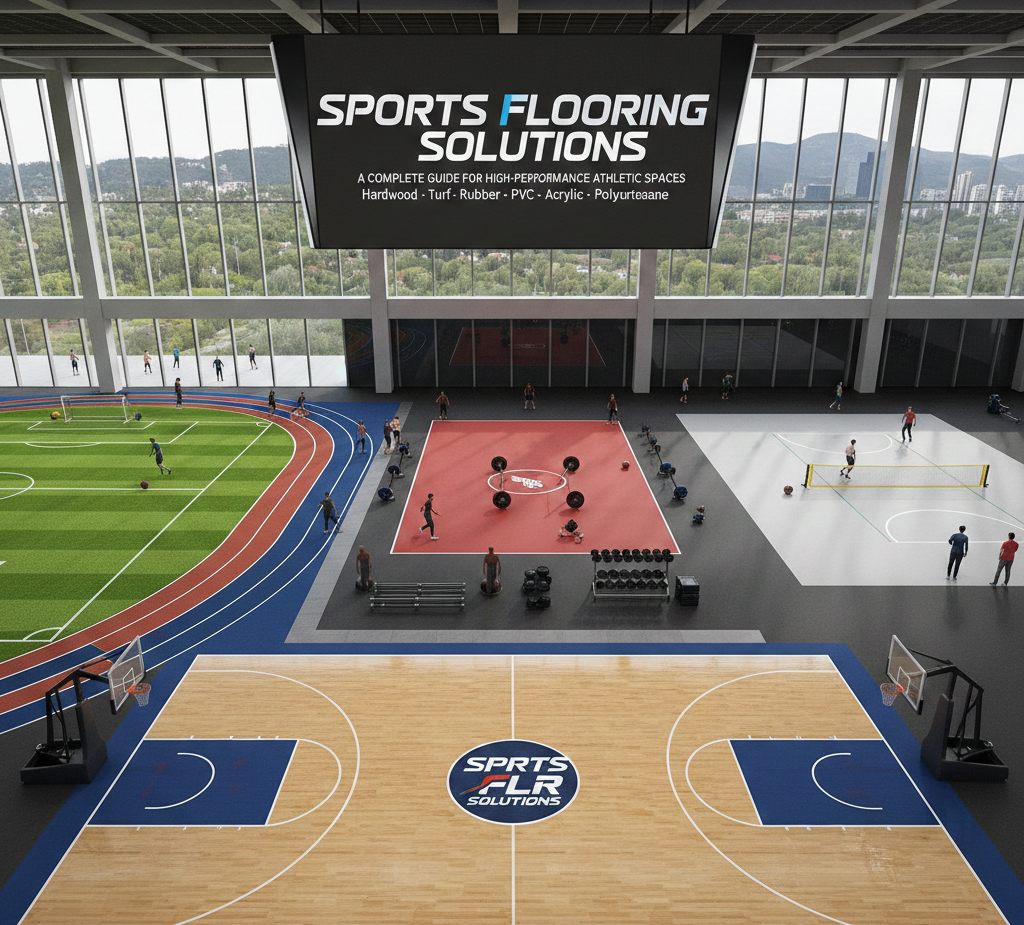
Sports flooring solutions play a critical role in the safety, performance, and longevity of modern athletic facilities. Whether for indoor gyms, outdoor courts, schools, academies, stadiums, or residential sports areas, choosing the right sports flooring system directly impacts player comfort, injury prevention, and overall user experience. This comprehensive guide explores different types of sports flooring solutions, their benefits, applications, installation processes, costs, and maintenance—helping you make an informed decision with long-term value in mind.
1. What Are Sports Flooring Solutions?
Sports flooring solutions are specially engineered surfaces designed to support athletic activities. Unlike standard flooring, sports floors are built to absorb shock, provide controlled traction, ensure consistent ball bounce, and withstand heavy foot traffic and equipment use.
High-quality sports flooring solutions are used in:
- Indoor sports halls and gymnasiums
- Outdoor basketball, tennis, and multi-sport courts
- Schools and universities
- Sports academies and training centers
- Stadiums and recreational facilities
- Residential sports areas
The right flooring system enhances performance while reducing the risk of injuries.
2.
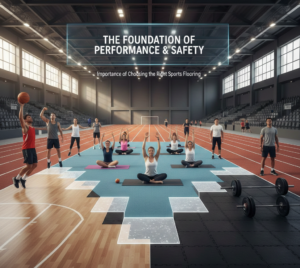
Selecting appropriate sports flooring is essential for both safety and performance.
Key reasons sports flooring matters:
- Shock absorption reduces joint stress
- Slip resistance prevents falls
- Surface durability handles high-impact activities
- Proper traction supports quick movement
- Consistent ball response improves gameplay
- Compliance with sports standards
Poor flooring choices often lead to injuries, frequent repairs, and reduced facility lifespan.
3. Types of Sports Flooring Solutions
Modern sports facilities can choose from a wide range of sports flooring options, each designed for specific applications.
Indoor Sports Flooring Solutions
Hardwood Sports Flooring
Hardwood flooring, particularly maple wood, is the gold standard for indoor basketball and multi-sport courts.
Benefits:
- Excellent ball bounce
- Professional-level performance
- Long lifespan with proper maintenance
Applications:
- Basketball courts
- Indoor sports arenas
- School gymnasiums
Synthetic Sports Flooring
Synthetic floors include vinyl, PVC, and polyurethane systems.
Benefits:
- Superior shock absorption
- Moisture resistance
- Easy maintenance
- Cost-effective compared to hardwood
Applications:
- Badminton courts
- Volleyball courts
- Fitness centers
- Multi-purpose halls
Outdoor Sports Flooring Solutions
Acrylic Sports Flooring
Acrylic flooring is widely used for outdoor courts.
Benefits:
- Weather and UV resistance
- Slip-resistant surface
- Color customization
- Affordable maintenance
Applications:
- Basketball courts
- Tennis courts
- Pickleball courts
Interlocking Modular Sports Tiles
Modular sports flooring tiles are among the most versatile solutions.
Benefits:
- Quick installation
- Excellent drainage
- Shock absorption
- Easy replacement of damaged tiles
Applications:
- Outdoor basketball courts
- Multi-sport courts
- Recreational areas
Rubber Sports Flooring
Rubber flooring is commonly used for fitness and training spaces.
Benefits:
- High impact absorption
- Slip resistance
- Noise reduction
- Long-lasting performance
Applications:
- Gyms and fitness centers
- Cross-training zones
- Weightlifting areas
4. Multi-Sport Flooring Solutions
Multi-sport flooring systems allow multiple activities on a single surface.
Advantages:
- Cost-effective facility management
- Space optimization
- Custom line markings for different sports
- Flexible usage for schools and communities
Common combinations include basketball, volleyball, badminton, futsal, and pickleball.
5. Sports Flooring Installation Process
Professional installation ensures optimal performance and longevity.
Step 1: Site Inspection and Evaluation
- Assess space dimensions
- Check subfloor condition
- Identify drainage or moisture issues
Surface Preparation
- Leveling and cleaning
- Crack repairs (for concrete bases)
- Moisture barrier installation (indoor floors)
Flooring Installation
- Laying base layers
- Installing sports flooring material
- Applying shock-absorption systems
Line Marking and Finishing
- Accurate sports markings
- Surface texturing for grip
- Final inspection and testing
6. Sports Flooring Solutions for Different Facilities
Schools and Colleges
- Durable, low-maintenance flooring
- Multi-sport capability
- Safety-focused shock absorption
Sports Academies
- Performance-oriented flooring
- Sport-specific surfaces
- Long-term durability
Commercial Sports Complexes
- Professional-grade flooring
- Aesthetic customization
- High traffic resistance
Residential Sports Areas
- Compact designs
- Budget-friendly materials
- Easy maintenance systems
7. Cost of Sports Flooring Solutions
Sports flooring costs depend on several factors:
- Type of sport and usage level
- Indoor or outdoor installation
- Flooring material
- Area size
- Subfloor preparation
Cost categories:
- Entry-level: Acrylic and basic synthetic flooring
- Mid-range: Modular tiles and advanced vinyl systems
- Premium: Hardwood and polyurethane flooring
Although premium flooring requires higher upfront investment, it often delivers lower long-term maintenance costs.
8. Maintenance and Care of Sports Flooring
Proper maintenance extends flooring lifespan and performance.
- Regular sweeping and cleaning
- Periodic deep cleaning
- Inspection for surface damage
- Re-coating or resurfacing as needed
- Equipment checks and replacements
Following manufacturer-recommended maintenance practices preserves warranty coverage.
9. Safety Standards and Compliance
High-quality sports flooring solutions comply with international safety standards.
Key safety features include:
- Shock absorption ratings
- Slip resistance levels
- Load-bearing capacity
- Fire resistance (indoor floors)
Professional installers ensure compliance with applicable sports regulations.
10. Sustainability and Eco-Friendly Sports Flooring
Modern sports flooring solutions increasingly prioritize sustainability.
- Recycled materials
- Low-VOC adhesives and coatings
- Long-life surfaces reducing waste
- Energy-efficient installation methods
Eco-friendly flooring supports environmental responsibility while maintaining performance.
Conclusion
Choosing the right sports flooring solutions is a critical investment for any athletic facility. From indoor hardwood courts to outdoor modular tile systems, modern sports flooring offers a balance of safety, performance, durability, and design flexibility.
With professional installation and proper maintenance, high-quality sports flooring solutions will support athletic performance for years to come.
Sports Flooring Solutions – FAQ
1. What are Sports Flooring Solutions?
Sports flooring solutions refer to specialized surface systems designed for indoor and outdoor sports facilities. These systems are engineered to provide durability, shock absorption, anti-slip performance, and consistent playability for athletes.
2. What types of sports flooring systems are available?
Common sports flooring solutions include:
-
PU (Polyurethane) Sports Flooring
-
Acrylic Sports Flooring
-
EPDM Rubber Flooring
-
PVC Vinyl Sports Flooring
-
Wooden Sports Flooring
-
Synthetic Turf Systems
-
Epoxy Sports Flooring
Each system is selected based on sport type, usage level, and environmental conditions.
3. Which sports flooring is best for indoor facilities?
Indoor facilities such as basketball courts, badminton halls, and gyms commonly use:
-
PU Sports Flooring
-
Wooden Sports Flooring
-
PVC Vinyl Sports Flooring
These provide shock absorption, comfort, and controlled ball bounce.
4. Which flooring is suitable for outdoor sports courts?
Outdoor courts typically use:
-
Acrylic Sports Flooring
-
EPDM Rubber Flooring
-
Synthetic Sports Surfaces
These systems are UV-resistant, weatherproof, and highly durable.
5. Can sports flooring be installed on existing concrete?
Yes. Most sports flooring systems can be installed over properly prepared concrete surfaces after cleaning, grinding, and crack repairs.
6. How long does sports flooring last?
With professional installation and proper maintenance, sports flooring systems can last between 8–15 years, depending on usage and environmental factors.
7. Is sports flooring safe for athletes?
Yes. Modern sports flooring is designed for:
-
Shock absorption
-
Slip resistance
-
Reduced injury risk
-
Consistent ball performance
Safety and performance standards are key considerations.
8. Do sports flooring solutions include line marking?
Yes. Professional providers offer precise game line markings for sports such as basketball, badminton, volleyball, tennis, and multi-sport courts.
9. How long does installation take?
Installation time depends on:
-
Court size
-
Flooring system type
-
Site conditions
-
Indoor or outdoor location
Small courts may take a few days, while large complexes may require several weeks.
10. Does sports flooring require maintenance?
Yes. Regular maintenance includes:
-
Routine cleaning
-
Surface inspections
-
Recoating when necessary
-
Minor repairs
Proper maintenance increases durability and performance.