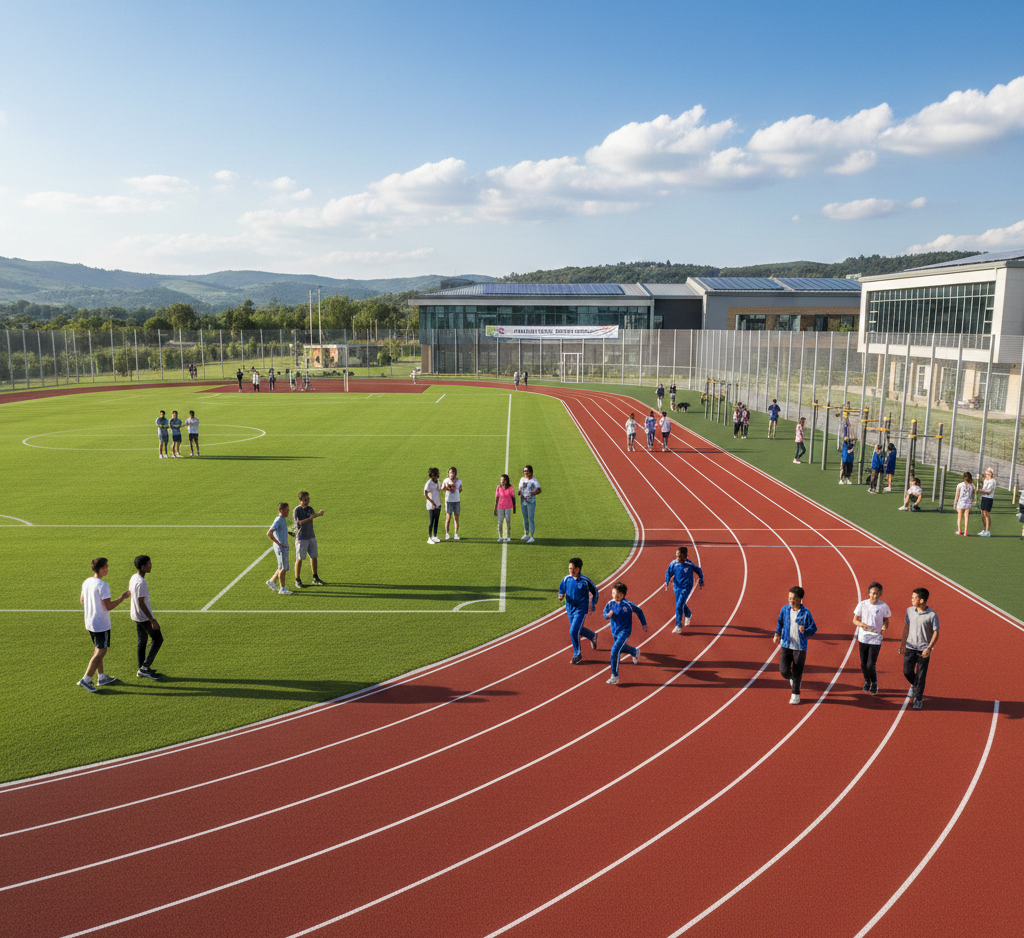
In today’s educational environment, schools are no longer just centers for academic learning; they are evolving into hubs for overall student development. Physical health plays an essential role in shaping the mental, emotional, and social well-being of children. One effective way to encourage physical activity in schools is through the development of a high-quality jogging track. A well-designed jogging track not only promotes fitness but also creates a safe and engaging space for students to cultivate healthy habits from an early age.
Importance of a School Jogging Track
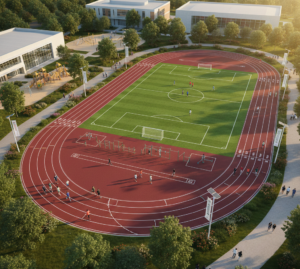
A school jogging track is more than just a strip of asphalt or synthetic material. It serves as a multi-purpose facility that encourages exercise, outdoor engagement, and community participation. Regular jogging and walking are linked with numerous health benefits, including improved cardiovascular health, enhanced stamina, weight management, and stress reduction. For children and adolescents, these benefits extend to better concentration in class, improved mood, and development of lifelong fitness habits.
Implementing a jogging track in schools provides students with a structured, accessible, and safe environment for physical activity. In addition, it helps schools meet educational and wellness goals, aligning with government and educational board mandates for student health programs.
Designing the Perfect School Jogging Track
The development of a school jogging track requires careful planning and design considerations. Several factors contribute to the creation of an efficient, safe, and sustainable jogging track.
1. Track Layout and Dimensions
The first step in planning a school jogging track is determining the layout. The size and shape of the available area dictate whether the track will be oval, circular, or rectangular. Standard tracks used in schools are usually between 200 to 400 meters in circumference.
When designing the track, it is essential to account for:
-
Lane width: Typically, each lane should be 1.2 to 1.5 meters wide to ensure comfortable jogging space.
-
Curve design: Curves must be gentle to reduce the risk of injuries and to facilitate smooth running.
-
Straight sections: Straight segments allow students to build speed safely and enhance the overall running experience.
2. Surface Material
The surface of a jogging track is critical for safety, performance, and maintenance. Schools have several options for track surfaces, each with unique advantages:
-
Asphalt: Durable and cost-effective, asphalt is a common choice for outdoor tracks. It requires minimal maintenance but may become slippery during rain.
-
Rubberized surfaces: These provide excellent shock absorption, reducing stress on joints and minimizing the risk of injuries. Rubberized tracks are ideal for schools seeking a professional-grade track that enhances running performance.
-
Synthetic tracks: Made from polyurethane or similar materials, synthetic tracks offer high durability, weather resistance, and a comfortable running experience. They are low-maintenance and can last for decades if properly installed.
Selecting the right material depends on factors such as budget, weather conditions, and student usage levels.
3. Safety Measures
Safety is paramount when designing a school jogging track. Proper measures ensure students can enjoy physical activity without unnecessary risk. Key considerations include:
-
Non-slip surfaces: Ensure the track has adequate grip to prevent slips and falls.
-
Proper drainage: Avoid waterlogging by installing efficient drainage systems around the track.
-
Clear markings: Track lanes, start and finish points, and direction arrows should be clearly marked.
-
Adequate lighting: For tracks used in early morning or late afternoon hours, proper lighting enhances visibility and safety.
4. Integration with School Infrastructure
A jogging track should seamlessly integrate with the overall school layout. Positioning the track near playgrounds, sports fields, and gymnasiums ensures easy accessibility for students. Trees and greenery around the track not only improve aesthetics but also provide shade, creating a more comfortable running environment during hot weather.
5. Multi-functional Use
Modern school jogging tracks are designed for more than just running. They can double as walking paths, fitness zones, or venues for school events. Tracks can include measurement markers, stretching stations, and exercise corners to encourage students of all fitness levels to participate. Such multifunctional designs increase the usability and appeal of the facility.
Benefits of School Jogging Track Development
The development of a school jogging track brings numerous advantages that extend beyond physical fitness:
1. Encouraging Daily Physical Activity
Having a dedicated jogging track within the school premises encourages students to engage in regular physical activity. It provides a structured and safe environment for running, walking, and light exercises during breaks or after school hours.
2. Promoting Mental Well-being
Exercise has a direct impact on mental health. Regular jogging improves blood circulation to the brain, reduces stress, and enhances cognitive function. Students with access to a jogging track often exhibit improved concentration, better mood, and reduced anxiety levels.
3. Supporting Sports Training
For schools with sports programs, a jogging track is an invaluable training facility. It allows athletes to build endurance, speed, and agility in a controlled environment. Coaches can design structured workouts and fitness routines using the track.
4. Fostering Healthy Competition
Organized events like annual races, marathons, and inter-class competitions can be hosted on the school jogging track. Such activities encourage sportsmanship, teamwork, and healthy competition among students.
5. Community Engagement
A school jogging track can serve as a community hub, promoting fitness among staff, parents, and local residents. Schools can organize family fitness days, health awareness campaigns, and outdoor learning activities, strengthening the bond between the school and the community.
Maintenance and Longevity
To ensure that a school jogging track remains safe and functional for years, regular maintenance is essential. Maintenance activities include:
-
Cleaning debris, leaves, and dust to prevent surface damage.
-
Inspecting for cracks, potholes, or uneven sections and repairing them promptly.
-
Repainting lane markings and maintaining drainage systems.
-
Periodically resurfacing rubberized or synthetic tracks to maintain cushioning and grip.
Investing in quality materials and regular upkeep ensures the track provides long-term value to the school.
Budgeting and Cost Considerations
Developing a jogging track requires careful budgeting. Costs vary based on surface material, track length, and additional features such as lighting, seating, and landscaping. Rubberized and synthetic tracks generally have higher initial costs but offer longer durability and reduced maintenance expenses. Schools should consider both immediate budget constraints and long-term benefits when planning the project.
Conclusion
A school jogging track is a valuable addition to any educational institution. It promotes physical fitness, enhances mental well-being, and fosters a culture of health and activity among students. Proper planning, design, and maintenance ensure that the track serves students safely and efficiently for years to come.
By investing in a quality jogging track, schools not only encourage physical activity but also demonstrate a commitment to holistic education, emphasizing the importance of nurturing both mind and body. Students gain a safe, engaging, and inspiring environment where they can build strength, endurance, and confidence—laying the foundation for a healthier, more active future.
Incorporating a jogging track into school infrastructure is more than just an addition to the playground—it is an investment in the next generation’s health, happiness, and overall development.
Here is a professionally written, SEO-friendly FAQ section for:
🏫🏃 School Jogging Track Development: Creating a Healthier, Active Environment for Students – FAQ
❓ 1. What is school jogging track development?
School jogging track development refers to the planning, design, and construction of a safe and durable running or walking track within a school campus to promote physical fitness, sports training, and overall student well-being.
❓ 2. Why is a jogging track important for schools?
A jogging track helps:
-
Improve student fitness and stamina
-
Encourage daily physical activity
-
Support physical education programs
-
Prepare students for athletic competitions
-
Promote mental health and stress reduction
It creates a healthier and more active school environment.
❓ 3. What is the ideal size for a school jogging track?
The size depends on available space and school requirements. Common options include:
-
200m tracks for smaller campuses
-
300m tracks for mid-sized schools
-
400m standard tracks for larger institutions
-
Custom loop tracks around playgrounds
Design flexibility allows schools to maximize available land.
❓ 4. What surface materials are best for school jogging tracks?
Recommended materials include:
-
EPDM rubber flooring – Safe, colorful, and shock-absorbing
-
PU (Polyurethane) system – Durable and long-lasting
-
Acrylic sports coating – Budget-friendly option
Rubberized surfaces are preferred for student safety.
❓ 5. How does a jogging track improve student health?
It encourages:
-
Regular cardiovascular exercise
-
Stronger muscles and bones
-
Better coordination and balance
-
Reduced obesity risk
-
Improved concentration in classrooms
Daily access to a track promotes lifelong fitness habits.
❓ 6. What are the main steps in jogging track development?
The development process includes:
-
Site evaluation and planning
-
Ground leveling and compaction
-
Sub-base preparation
-
Asphalt or concrete base installation
-
Synthetic surface application
-
Line marking and finishing
-
Final inspection and handover
Drainage planning is essential during construction.
❓ 7. How long does construction take?
Construction timelines typically are:
-
Small jogging tracks: 2–4 weeks
-
Larger 400m tracks: 6–8 weeks
Weather conditions and curing time may affect the schedule.
❓ 8. What safety features should be included?
Important safety features include:
-
Shock-absorbing surface
-
Anti-slip texture
-
Proper drainage slope (around 1%)
-
Clear lane markings
-
Safety buffer zones
These features reduce the risk of injuries.
❓ 9. Can a school jogging track support competitive athletics?
Yes. If designed to standard dimensions, it can support:
-
Inter-school competitions
-
Training programs
-
Sprint and relay events
-
Physical fitness assessments
For competitive use, the track should follow recognized athletic standards.
❓ 10. What is the estimated cost of developing a school jogging track?
Costs vary based on:
-
Track size
-
Surface type (EPDM, PU, Acrylic)
-
Base preparation
-
Drainage and safety features
-
Custom markings
EPDM and acrylic systems are generally more economical options.