Introduction
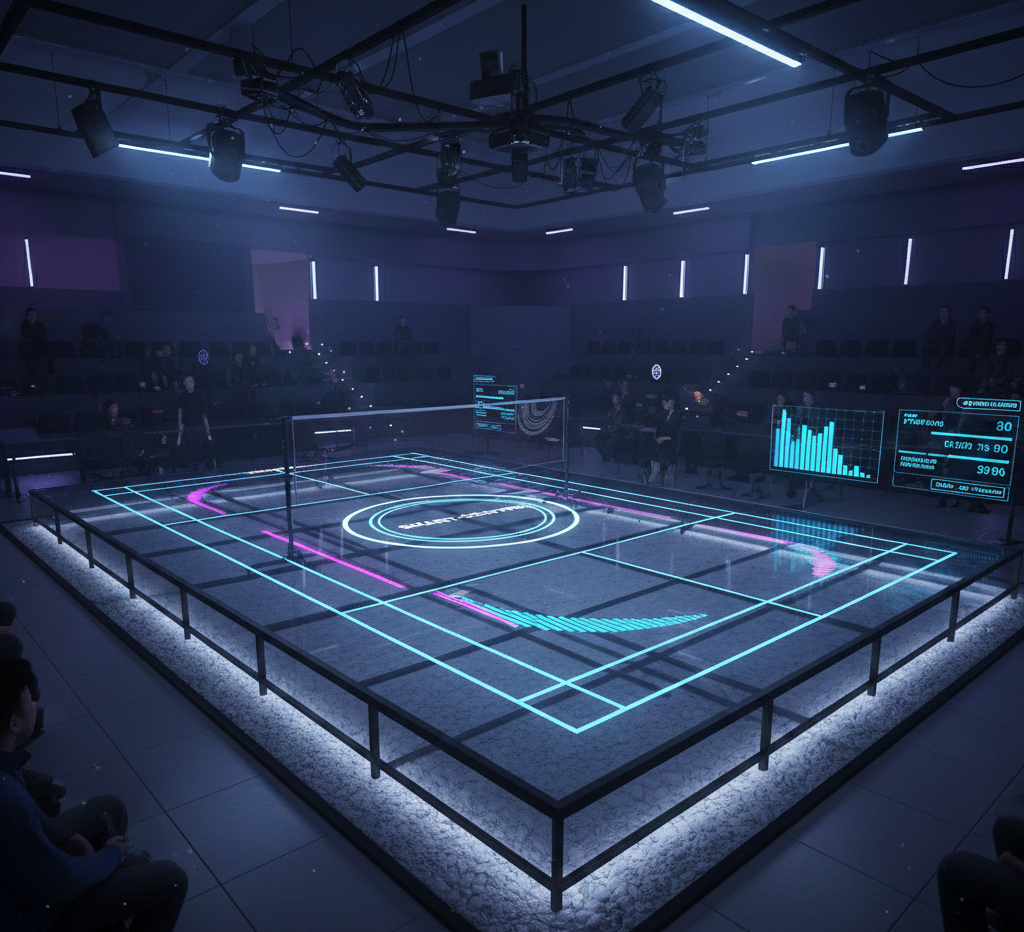
Badminton court flooring is no longer just a flat surface; it is a carefully engineered system designed to optimize gameplay. With the rise of competitive sports and professional training centers, the demand for advanced flooring solutions has increased. Today’s innovations focus on improving shock absorption, durability, weather resistance, and environmental sustainability, making courts safer and more efficient.
Evolution of Badminton Court Flooring
Traditionally, badminton courts were constructed using wooden planks or simple concrete bases. While functional, these surfaces often lacked cushioning and consistent grip, leading to higher injury risks. Over time, synthetic materials such as PVC, PU, and acrylic were introduced, offering better elasticity, uniform bounce, and improved traction. Modular and interlocking tiles have also emerged, providing flexibility and ease of installation. This evolution reflects a shift toward performance-oriented and player-friendly flooring solutions.
Performance Enhancement
Modern badminton flooring is designed to enhance player performance by providing optimal grip, controlled slide, and consistent rebound. Advanced materials allow athletes to move quickly, change direction efficiently, and maintain balance during high-intensity rallies. Shock-absorbing layers reduce stress on joints, enabling longer training sessions without compromising safety. These innovations ensure that players can perform at their best while minimizing the risk of injuries.
Longevity and Maintenance
Durability is a key focus in contemporary court flooring. High-quality materials such as polyurethane and reinforced PVC are engineered to withstand heavy usage over time. Innovations in surface coatings and modular designs make maintenance easier, allowing courts to retain their performance characteristics with minimal upkeep. This longevity reduces replacement costs and ensures that facilities remain functional for years.
Weather Resistance
Outdoor badminton courts face challenges from sun, rain, and temperature fluctuations. Modern flooring solutions incorporate weather-resistant materials that maintain grip and structural integrity under varying conditions. Acrylic coatings and UV-stable synthetic surfaces prevent fading, cracking, and warping, ensuring consistent performance regardless of environmental factors.
SPORT FACILITY Contribution to Innovation
Sports facility designers and manufacturers have played a crucial role in advancing badminton court flooring. By integrating research on biomechanics, material science, and player feedback, they have developed surfaces that meet international standards. Facilities now offer courts with customizable cushioning, modular layouts, and enhanced safety features, reflecting a commitment to innovation and athlete well-being.
Shock Absorption Technology
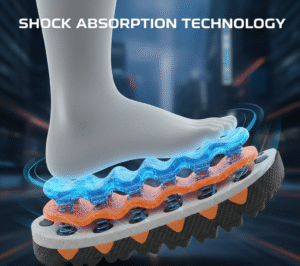
One of the most significant advancements in court flooring is the development of shock absorption systems. Multi-layered constructions, foam underlays, and elastic synthetic materials reduce impact forces on knees, ankles, and lower back. This technology not only prevents injuries but also improves player comfort, allowing for more dynamic movements and longer play sessions.
Customizable Surface Characteristics
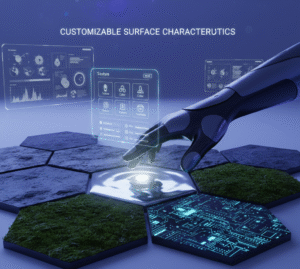
Modern flooring allows customization to suit different levels of play and facility requirements. Surfaces can be tailored for grip, hardness, and elasticity, providing an optimal balance between speed and control. This flexibility ensures that both professional athletes and recreational players experience consistent performance tailored to their needs.
Easy Maintenance and Longevity
Innovative materials and coatings have simplified court maintenance. Seamless synthetic surfaces resist dirt, moisture, and wear, reducing the need for frequent cleaning or repairs. Modular tiles can be replaced individually, extending the overall lifespan of the court. These features make it easier for facilities to maintain high-quality playing conditions over time.
Environmentally Friendly Materials
Sustainability has become a priority in sports infrastructure. Many modern badminton flooring solutions use eco-friendly materials, including recycled polymers and low-VOC coatings. These environmentally conscious options reduce the ecological footprint of sports facilities while maintaining high performance and durability.
UV Resistance for Outdoor Courts
Exposure to sunlight can degrade traditional outdoor surfaces, causing discoloration and reduced grip. Advanced UV-resistant coatings protect outdoor courts from harmful rays, preserving both aesthetics and functionality. This innovation ensures that outdoor facilities remain safe and visually appealing for extended periods.
Conclusion
The latest innovations in badminton court flooring have transformed the way the sport is played and experienced. From enhanced shock absorption and customizable surfaces to weather-resistant and eco-friendly materials, modern courts provide superior performance, safety, and longevity. Investing in advanced flooring solutions not only improves player experience but also ensures that facilities remain durable and sustainable for years to come.
Embrace innovation in badminton court flooring to elevate performance, safety, and long-term value.
Badminton Court Flooring Innovations — FAQ
1. What are the newest materials used in badminton court flooring?
Modern courts use advanced materials such as:
-
Synthetic acrylic systems with multiple cushioning layers for shock absorption and grip.
-
Polyurethane (PU) poured floors that deliver consistent elasticity and comfort.
-
Engineered wood floors with cushioned sub‑flooring for professional indoor play.
-
Advanced PVC mats with enhanced impact protection and durability.
These materials improve performance, safety, and longevity compared to traditional concrete or plain surfaces.
2. How does modern flooring improve player safety and performance?
Latest court systems include:
-
Multi‑layer shock absorption: Protects knees and joints by reducing impact forces during jumps and landings.
-
Textured surfaces: Provide better multi‑directional grip essential for quick footwork.
-
Seamless and cushioned layers: Avoid uneven spots that could cause trips or slips.
These advancements help players move faster with less fatigue and lower injury risk.
3. Are badminton courts now eco‑friendly?
Yes. Sustainability is a rising focus with flooring made from recycled materials, plant‑based polymers, low‑VOC adhesives, and bio‑based composites.
Such options reduce environmental impact and improve indoor air quality while meeting green building standards.
4. What role does technology (smart features) play in flooring?
Emerging innovations include:
-
Embedded sensors to track player movement, pressure zones, and court usage patterns in real‑time.
-
Interactive LED floor systems that can guide training or indicate lines dynamically.
These tech features support coaching, performance analysis, and can help reduce injuries with data‑driven insights.
5. Can badminton flooring now adapt to multiple sports?
Yes. Modular and multi‑purpose flooring systems allow courts to be reconfigured quickly for sports like volleyball, basketball, or indoor tennis, saving space and cost for gyms and schools.
6. What innovations enhance outdoor badminton courts?
Outdoor surfaces now use:
-
UV‑resistant acrylic coatings that retain color and performance under intense sun.
-
Weatherproof synthetic systems resistant to rain, heat, and moisture.
These advances improve durability and reduce maintenance for outdoor facilities.
7. Are there flooring systems tailored for elite and tournament play?
Yes. High‑end systems use multi‑tier cushioning (e.g., 7‑layer or 9‑layer systems) with advanced shock absorption and uniform performance across the court — ideal for competitive and professional environments.
8. How do modern floors improve court aesthetics and customization?
Contemporary solutions allow:
-
Custom colors and branding to reflect team identity or facility styles.
-
Seamless design with clear court markings for professional appeal.
These features also help boost facility branding and spectator engagement.
9. What maintenance innovations help today’s badminton flooring?
Innovations reduce upkeep by offering:
-
Low‑maintenance surface chemistry that resists dirt and moisture.
-
Modular panels that are easy to replace.
This cuts down cleaning time and long‑term costs while preserving performance.
10. How is sustainability shaping the future of badminton flooring?
Manufacturers are increasingly using recycled and renewable raw materials, and adopting green manufacturing processes that lower energy and water usage, reduce VOC emissions, and support sustainable facility certifications.