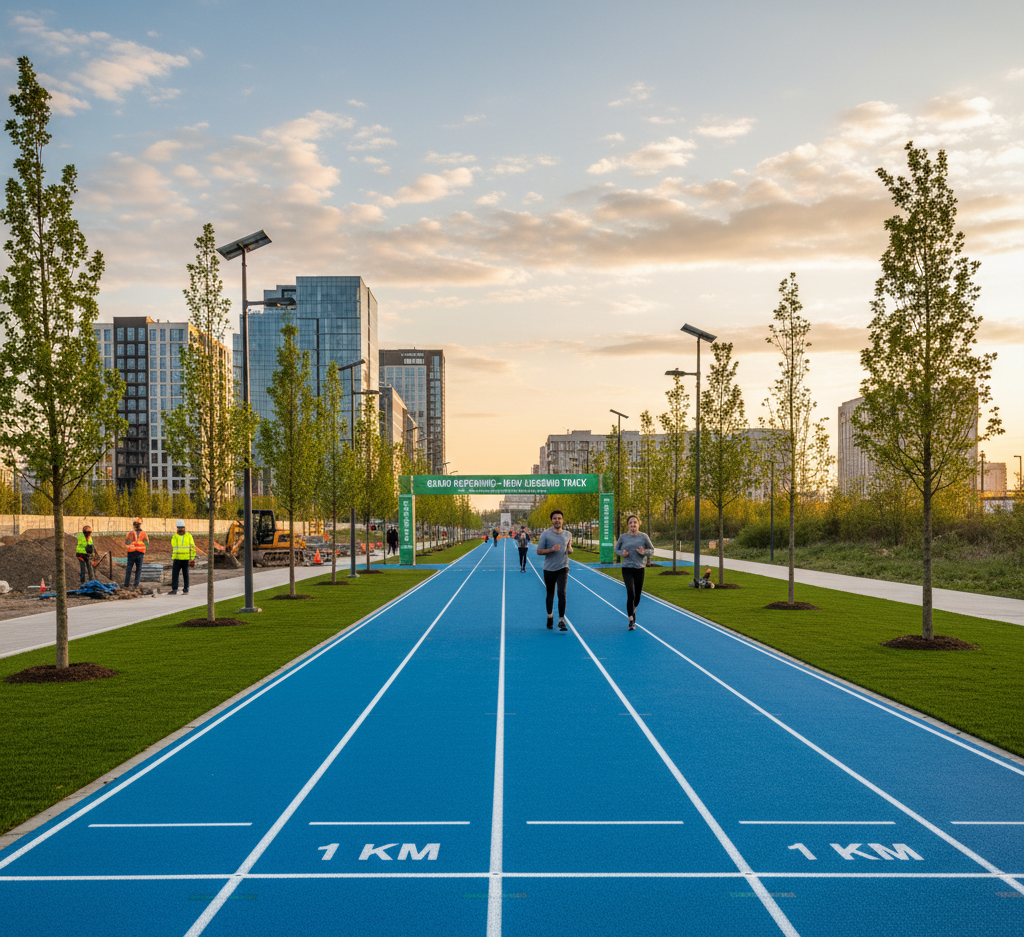
Over time, even the best jogging tracks lose their strength, smoothness, and safety. Constant foot traffic, weather exposure, and natural wear gradually degrade the surface, leading to cracks, faded markings, and drainage issues. That’s where jogging track renovation comes in — a process designed to restore performance, improve safety, and modernize aesthetics.
Whether your facility is in a school, residential complex, stadium, or public park, a well-planned renovation can transform an aging track into a world-class fitness surface that meets modern design, comfort, and safety standards.
🏃♂️ Why Renovation Is Essential for Jogging Tracks
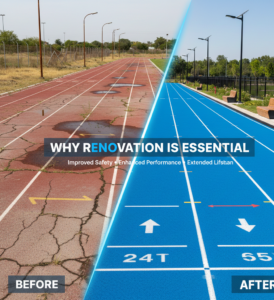
Over years of use, jogging tracks face damage due to:
-
Surface cracking and fading
-
Drainage blockages and water retention
-
Erosion or uneven leveling
-
Worn-out synthetic or rubber surfaces
-
Outdated lighting or design layout
Ignoring these signs not only affects performance but also increases injury risks. Renovation helps rebuild, resurface, and rejuvenate the facility with improved materials and smart upgrades.
Benefits of Jogging Track Renovation:
-
Restores surface smoothness and grip.
-
Enhances visual appeal and usability.
-
Reduces maintenance costs with modern materials.
-
Increases safety and comfort.
-
Extends the life of the facility by 10–15 years.
⚙️ Scope of Jogging Track Renovation Work
A professional jogging track renovation project may include the following elements depending on the site condition and user needs:
| Component | Renovation Work |
|---|---|
| Surface Repair / Replacement | Resurfacing with new PU, EPDM, or Acrylic material |
| Line Marking | Repainting start lines, lanes, and direction markers |
| Drainage Upgrade | Clearing or replacing drainage channels |
| Lighting Improvement | Adding or upgrading LED or solar lights |
| Landscaping | Redesigning surroundings with greenery and seating |
| Structural Repair | Fixing sub-base cracks or uneven areas |
| Safety Enhancements | Installing rubberized edges and safety fencing |
Each project is customized to match track size, surface type, and budget.
🧱 Step-by-Step Jogging Track Renovation Process
Renovating a jogging track involves detailed inspection, technical planning, and precision work. Below is the professional process followed for renovation projects:
1. Site Inspection & Condition Assessment
-
Examine surface condition, drainage layout, and slope.
-
Identify cracks, holes, and uneven patches.
-
Evaluate the base layer and existing material type.
2. Surface Removal / Cleaning
-
Remove worn-out top layers (synthetic, EPDM, or acrylic).
-
Clean and prepare the sub-base for resurfacing.
-
Treat surface with anti-fungal and dust-removal solutions.
3. Sub-Base Repair
-
Fill cracks and cavities using concrete or polymer-based materials.
-
Ensure proper slope for water drainage (1–2% gradient).
-
Compact and level the base using mechanical rollers.
4. New Surface Application
Depending on the project type, different surfaces are applied:
-
PU (Polyurethane) Surface: Ideal for professional-grade tracks.
-
Acrylic Surface: Suitable for schools and residential complexes.
-
EPDM Rubber Surface: Preferred for children’s and multi-use fitness zones.
Each layer is applied in multiple coats to ensure durability, elasticity, and skid resistance.
5. Line Marking & Branding
-
Reapply lane markings, start/finish lines, and distance indicators.
-
Use high-quality PU or thermoplastic paint.
-
Add logos, track names, or motivational quotes for aesthetics.
6. Drainage and Lighting Enhancement
-
Clean or replace clogged drainage lines.
-
Install LED or solar-powered lighting systems.
-
Add energy-efficient smart controls if required.
7. Finishing & Quality Check
-
Inspect the surface for uniformity and bounce consistency.
-
Test drainage efficiency and lighting performance.
-
Deliver a polished, ready-to-use jogging track with warranty support.
🏗️ Materials Used in Jogging Track Renovation
Choosing the right materials ensures long-term performance and low maintenance.
| Material Type | Features | Best For |
|---|---|---|
| Polyurethane (PU) | Elastic, weatherproof, durable | Professional and commercial tracks |
| Acrylic Coating | Economical, UV-resistant | School and society tracks |
| EPDM Rubber | Soft, shock-absorbent | Children’s & senior-friendly zones |
| Asphalt Base Repair | Stable and strong foundation | Large outdoor tracks |
| Thermoplastic Line Paint | Long-lasting and reflective | Lane and boundary markings |
All materials are tested for UV resistance, water permeability, and shock absorption as per World Athletics and IS standards.
🌿 Additional Upgrades During Renovation
During renovation, many clients choose to add extra features to make the track more user-friendly and attractive:
-
LED Track Lighting Installation for night-time use.
-
Landscaping and Tree Plantation for natural aesthetics.
-
Outdoor Fitness Stations for strength workouts.
-
Benches and Gazebos for relaxation zones.
-
Boundary Fencing for safety and access control.
-
Solar Panels for energy-efficient lighting.
These features enhance both usability and facility value.
💰 Cost of Jogging Track Renovation in India
The cost of renovation varies based on the condition, material type, and size of the track.
| Track Type | Approx. Size | Estimated Renovation Cost (INR) |
|---|---|---|
| Mini Track (100m–150m) | Small Parks / Schools | ₹1,00,000 – ₹2,00,000 |
| Standard 200m Track | Housing Complex / College | ₹2,50,000 – ₹4,50,000 |
| 400m Athletic Track | Stadium / Sports Complex | ₹5,00,000 – ₹12,00,000 |
| Custom Fitness Trail | Landscape / Resort | ₹3,00,000 – ₹6,00,000 |
Includes resurfacing, marking, and basic lighting or drainage work.
🧰 Signs That Your Jogging Track Needs Renovation
If you notice any of the following, it’s time to plan renovation:
✅ Cracks or uneven patches on the surface
✅ Faded or invisible lane markings
✅ Water accumulation after rain
✅ Slippery or rough texture
✅ Reduced shock absorption
✅ Outdated surface materials
✅ Broken drainage channels or lights
Addressing these issues early prevents higher repair costs and ensures long-term durability.
🏆 Advantages of Professional Jogging Track Renovation
-
Improved Safety: Eliminates tripping hazards and surface erosion.
-
Enhanced Comfort: Offers smooth, cushioned surface for all age groups.
-
Extended Lifespan: Adds 10–15 years of durability with new materials.
-
Low Maintenance: Modern surfaces require minimal upkeep.
-
Energy Efficiency: Option to integrate solar-powered lighting.
-
Aesthetic Upgrade: Refreshes look with new colors and markings.
-
Compliance: Meets IS and World Athletics standards.
⚡ Renovation vs. New Construction – Which Is Better?
| Aspect | Renovation | New Construction |
|---|---|---|
| Cost | Lower (30–50% less) | Higher |
| Time | 2–4 weeks | 1–2 months |
| Surface Longevity | 10–15 years (after renovation) | 15–20 years |
| Flexibility | Can upgrade or resize existing track | Full design freedom |
| Ideal For | Existing sports facilities | New projects |
Renovation is the most cost-effective way to modernize your facility without the expense of rebuilding from scratch.
🛠️ Maintenance Tips After Renovation
To ensure long-lasting performance, follow these simple maintenance practices:
-
Clean surface regularly with soft brushes or blowers.
-
Avoid dragging heavy objects or metal equipment.
-
Reapply protective coatings every 2–3 years.
-
Inspect drainage lines after monsoon.
-
Restrict vehicle entry on track surfaces.
-
Schedule professional inspection once a year.
🏁 Conclusion
A jogging track renovation breathes new life into your sports facility, making it safer, more appealing, and future-ready. With advanced materials, professional resurfacing techniques, and smart design upgrades, your old track can be transformed into a high-performance, low-maintenance jogging surface.
Whether it’s a school ground, society park, or athletic stadium, a timely renovation ensures your track stays durable, beautiful, and functional for years.
Frequently Asked Questions (FAQ) – Jogging Track Renovation
1. What is jogging track renovation?
Jogging track renovation involves repairing, resurfacing, or upgrading an existing jogging track to restore its safety, durability, and performance. It may include surface replacement, line marking, drainage improvement, and additional feature upgrades.
2. Why is jogging track renovation necessary?
-
Wear and tear from daily usage
-
Cracks, uneven surfaces, or potholes
-
Faded line markings or lane indicators
-
Waterlogging or drainage issues
-
Upgrading materials to modern PU, EPDM, or interlocking surfaces
3. What are the common signs that a jogging track needs renovation?
-
Cracked or uneven flooring
-
Worn-out or slippery surfaces
-
Faded lane markings or distance indicators
-
Water accumulation after rain
-
Reduced shock absorption or joint protection
4. How is a jogging track renovated?
-
Inspection and assessment of the existing track
-
Surface cleaning and preparation
-
Repairing cracks or base issues
-
Resurfacing with PU, PVC, EPDM, or rubber tiles
-
Repainting lane markings and distance indicators
-
Upgrading additional features like lighting, benches, or hydration points
5. Can the foundation of a jogging track be renovated?
Yes, if the sub-base or foundation is damaged:
-
Leveling and compacting the subgrade
-
Replacing gravel, sand, or concrete base layers
-
Ensuring proper drainage
A solid foundation ensures a long-lasting renovated track.
6. How long does jogging track renovation take?
-
Small residential tracks: 2–5 days
-
Medium park or school tracks: 5–10 days
-
Large stadium or multi-lane tracks: 2–3 weeks
Time depends on track size, extent of damage, and type of resurfacing.
7. What materials are used for jogging track renovation?
-
PU (Polyurethane) sheets or coatings – professional-grade and shock-absorbing
-
EPDM or rubberized surfaces – durable and weather-resistant
-
PVC or interlocking tiles – modular and cost-effective
-
Asphalt or concrete resurfacing for base repairs
8. How much does jogging track renovation cost in India?
-
Minor resurfacing or painting: ₹150–₹500 per sq. meter
-
PU or synthetic resurfacing: ₹900–₹2,500 per sq. meter
-
Major foundation repair with resurfacing: ₹1,500–₹3,000+ per sq. meter
Cost depends on track condition, materials, and additional features.
9. Can jogging track renovation include additional features?
Yes, renovation is a great opportunity to add:
-
LED or energy-efficient lighting
-
Benches and seating areas
-
Hydration stations or water fountains
-
Fitness equipment or exercise stations
-
Shade structures or pergolas
10. How long does a renovated jogging track last?
With proper renovation and maintenance:
-
PVC or interlocking surfaces: 8–10 years
-
PU or synthetic tracks: 10–12 years
-
EPDM or rubberized surfaces: 12–15 years
11. Can jogging tracks be renovated without disrupting usage?
-
Small sections can be renovated in phases
-
Night or off-hour work schedules help keep parts of the track usable
-
Modular surfaces like interlocking tiles allow partial replacement without downtime
12. Who provides jogging track renovation services?
Professional sports flooring contractors and track construction companies offer renovation services, ensuring:
-
Proper assessment of existing damage
-
High-quality resurfacing materials
-
Safety, durability, and compliance with standards
13. Is jogging track renovation profitable for residential or park projects?
Yes, renovating tracks:
-
Extends lifespan and durability
-
Improves user experience and safety
-
Enhances property value and aesthetics
-
Reduces long-term maintenance costs
14. How is maintenance handled after renovation?
-
Regular sweeping and cleaning
-
Inspection for cracks or surface damage
-
Repainting lines when needed
-
Ensure drainage systems remain clear
Proper maintenance ensures the track stays safe and durable for years.