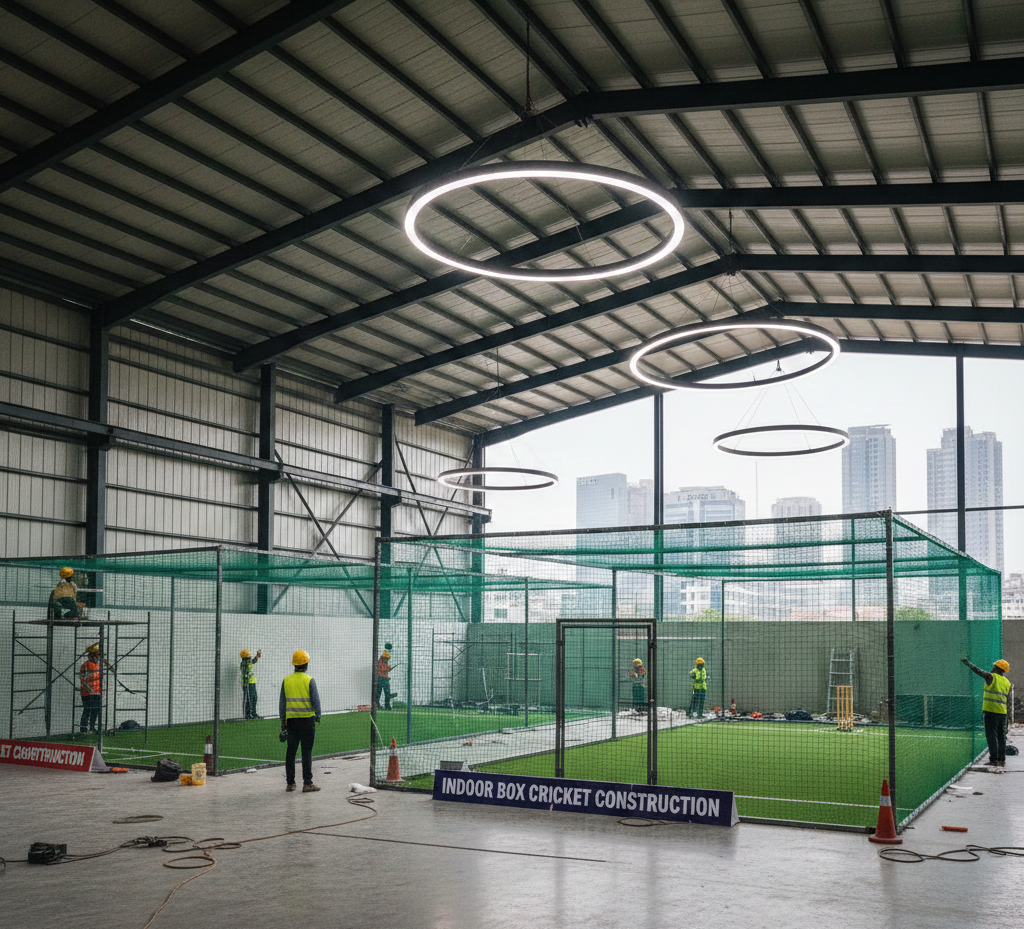
Indoor box cricket has rapidly evolved from a niche recreational activity into one of the most popular indoor sports formats in India. With limited outdoor space in urban areas, unpredictable weather conditions, and growing demand for safe, year-round sports facilities, indoor box cricket offers an ideal solution. From schools and colleges to residential townships and commercial sports arenas, indoor box cricket courts are transforming how people play and experience the game.
Constructing a world-class indoor box cricket facility requires more than just enclosing a space and laying turf. It demands expert planning, precise engineering, premium materials, and a deep understanding of gameplay dynamics. This blog provides a comprehensive overview of indoor box cricket construction, covering design principles, materials, flooring systems, safety features, and long-term performance considerations.
What Is Indoor Box Cricket?
Indoor box cricket is a compact, enclosed version of traditional cricket played within a netted or walled arena. Unlike outdoor cricket, the ball remains in play after hitting the walls or nets, making the game faster, more engaging, and highly strategic. Matches are typically shorter, intense, and suitable for players of all skill levels.
Indoor box cricket facilities are designed to maximize playability within limited space while ensuring safety, durability, and consistent performance.
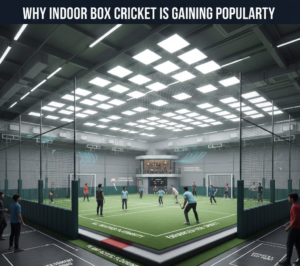
Why Indoor Box Cricket Is Gaining Popularity
1. All-Weather Playability
Indoor box cricket courts eliminate weather-related disruptions. Players can enjoy uninterrupted games regardless of rain, heat, or seasonal changes, making these facilities operational throughout the year.
2. Efficient Use of Space
Urban environments often lack large open grounds. Indoor box cricket courts are compact and can be constructed inside warehouses, basements, rooftops, or converted halls without compromising gameplay quality.
3. Enhanced Safety
Enclosed nets, cushioned flooring, and controlled playing conditions significantly reduce the risk of injuries compared to open grounds.
4. Commercial Viability
Indoor box cricket arenas are highly profitable for sports entrepreneurs due to high booking rates, low maintenance costs, and repeat customer engagement.
5. Ideal for Training and Coaching
Controlled indoor environments allow consistent practice conditions, making them suitable for professional coaching and skill development.
Key Elements of Indoor Box Cricket Construction
Building a high-quality indoor box cricket facility involves several critical components, each contributing to performance, safety, and durability.
1. Site Assessment and Planning
The construction process begins with a detailed site evaluation. Factors such as ceiling height, ventilation, structural strength, lighting access, and available floor area are analyzed. Proper planning ensures optimal court dimensions, safe ball trajectory, and smooth player movement.
Standard indoor box cricket courts typically range between 50 to 70 feet in length and 25 to 35 feet in width, though designs can be customized based on space availability.
2. Court Design and Layout
A well-designed indoor box cricket court balances space utilization with gameplay flow. The layout includes:
-
Batting and bowling zones
-
Boundary walls or rebound panels
-
Net enclosures on all sides and overhead
-
Entry and exit points
-
Spectator viewing areas (if required)
Custom-designed courts ensure efficient movement, clear visibility, and an engaging playing experience.
3. Synthetic Turf Installation
Importance of Quality Turf
Synthetic turf is the heart of any indoor box cricket court. It directly affects ball bounce, player grip, and overall game quality.
Features of Premium Indoor Cricket Turf
-
Uniform ball bounce
-
High wear resistance
-
Anti-slip surface
-
Shock absorption
-
Low maintenance
Advanced artificial grass systems are designed to mimic natural turf while offering superior durability and longevity in indoor environments.
4. PU and Acrylic Flooring Systems
For enhanced safety and performance, many indoor box cricket courts incorporate PU (Polyurethane) or acrylic flooring systems beneath or around the turf.
Benefits of PU and Acrylic Flooring
-
Excellent shock absorption to reduce joint stress
-
Improved player comfort during fast movements
-
Slip-resistant surface
-
Long-lasting and easy to maintain
These flooring systems are especially beneficial in high-traffic commercial arenas where durability is critical.
5. Netting and Safety Enclosures
Safety is a top priority in indoor box cricket construction. High-quality netting ensures the ball remains within the playing area while protecting players and spectators.
Netting Specifications
-
UV-stabilized nylon or polyethylene nets
-
High tensile strength
-
Tight mesh to prevent ball escape
-
Overhead netting for vertical containment
Properly tensioned nets maintain visibility while ensuring safety and uninterrupted gameplay.
6. Wall Panels and Rebound Systems
Many modern indoor box cricket courts feature rebound walls or padded panels instead of full netting on lower sections. These walls add a strategic element to the game by allowing controlled rebounds while enhancing durability.
Padded wall systems also improve player safety by reducing impact injuries.
7. Lighting and Electrical Systems
Lighting plays a crucial role in indoor cricket performance. Poor lighting can affect visibility, reaction time, and overall playing experience.
Ideal Indoor Cricket Lighting
-
High-lumen LED lights
-
Uniform light distribution
-
Glare-free illumination
-
Energy-efficient systems
Professionally designed lighting layouts eliminate shadows and ensure clear ball tracking during fast-paced matches.
8. Ventilation and Climate Control
Indoor sports facilities require proper airflow to maintain comfort and prevent humidity buildup. Adequate ventilation systems enhance player endurance and preserve turf quality over time.
9. Soundproofing and Acoustics (Optional)
In commercial or residential areas, sound control may be essential. Acoustic panels and sound-absorbing materials help minimize noise pollution while improving the overall ambiance of the facility.
Why Professional Indoor Box Cricket Construction Matters
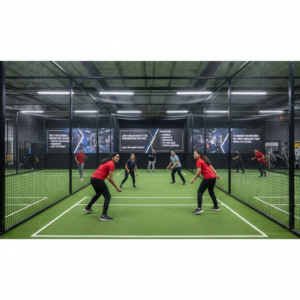
Constructing an indoor box cricket arena is a technical process that demands specialized expertise. Poor design or low-quality materials can result in uneven bounce, frequent repairs, safety risks, and reduced lifespan.
Professional constructors ensure:
-
Compliance with safety standards
-
Optimal gameplay performance
-
Long-term durability
-
Cost efficiency over time
A professionally built indoor box cricket court can last 8–15 years with proper maintenance.
Applications of Indoor Box Cricket Facilities
Indoor box cricket courts are versatile and suitable for multiple environments:
-
Schools and colleges
-
Corporate campuses
-
Residential complexes
-
Sports academies
-
Commercial pay-and-play arenas
-
Fitness and recreation centers
Their adaptability makes them one of the most in-demand indoor sports infrastructures today.
Maintenance and Longevity
Indoor box cricket facilities require minimal maintenance compared to outdoor grounds. Regular cleaning, periodic turf brushing, net inspection, and lighting checks ensure consistent performance and extended lifespan.
Using high-quality materials significantly reduces long-term operational costs.
The Future of Indoor Box Cricket in India
With increasing urbanization and rising health awareness, indoor sports infrastructure is becoming a necessity rather than a luxury. Indoor box cricket, in particular, aligns perfectly with modern lifestyles—fast, engaging, space-efficient, and inclusive.
Innovations such as smart lighting, advanced turf systems, and modular construction methods are shaping the future of indoor cricket facilities across India.
Conclusion
Indoor box cricket construction is a specialized field that combines sports science, architectural planning, and advanced materials. A well-constructed indoor cricket arena delivers unmatched gameplay quality, safety, and durability while maximizing space utilization.
Whether for recreational use, professional training, or commercial ventures, investing in high-quality indoor box cricket construction ensures long-term success and player satisfaction. With the right design, materials, and expertise, any space can be transformed into a world-class indoor cricket arena that meets the growing demand for modern sports facilities in India.