Introduction & Regional Context
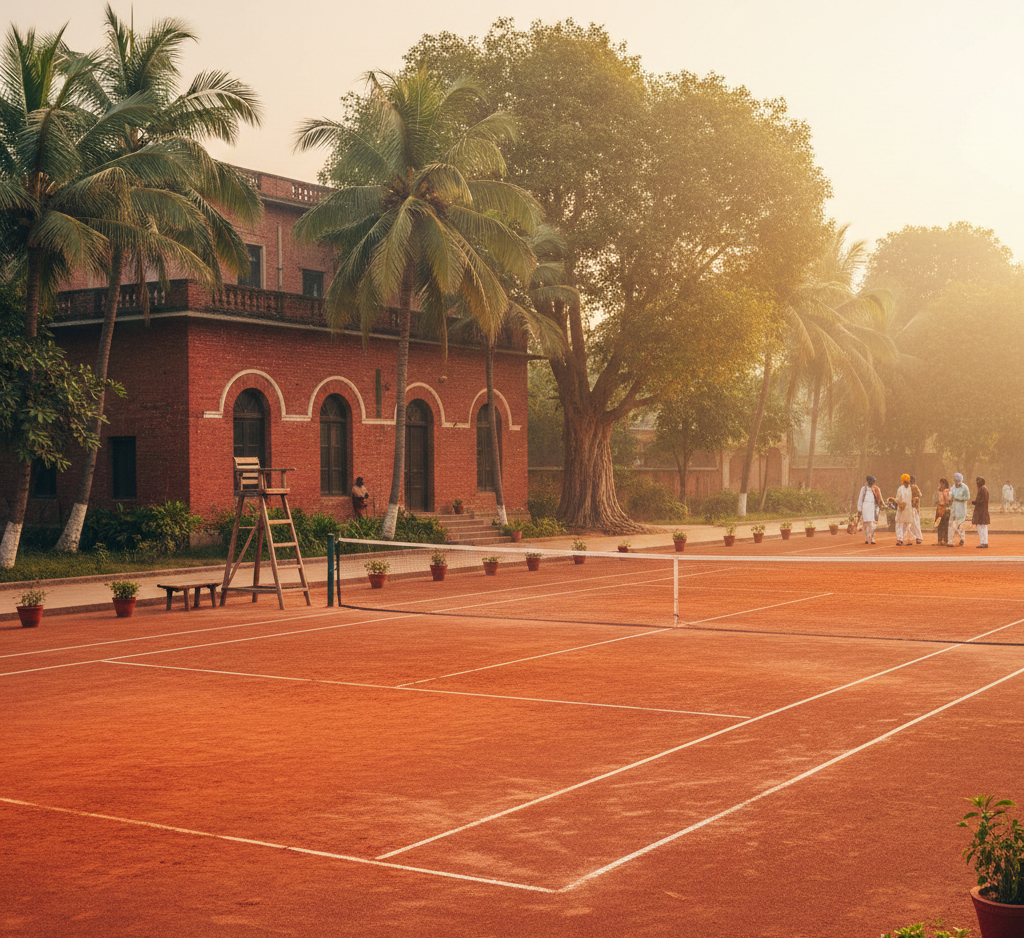
Punjab, known for its rich sporting culture and strong emphasis on athletics, provides an excellent environment for tennis infrastructure development. With a mix of humid summers, mild winters, and fertile alluvial soil, the state offers conditions that can support high-quality clay tennis courts, provided they are engineered and maintained correctly.
Whether for schools, academies, clubs, or private resorts, clay courts in Punjab continue to gain popularity due to their playability, affordability, and natural aesthetics.
Why Clay Tennis Courts Suit Punjab
1. Ideal for Player Development
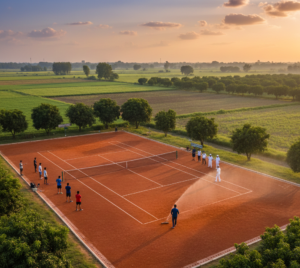
Clay courts promote endurance, footwork, and strategic play due to their slower surface and higher ball bounce. Many top players train on clay to refine technique and stamina.
2. Comfortable for All Ages
The natural cushioning of clay reduces impact on joints, making it suitable for:
-
Students
-
Amateur players
-
Veteran and senior players
-
High-volume training academies
3. Visually Pleasing
Red or green clay blends beautifully with green field areas found across Punjab, especially in districts like:
-
Mohali
-
Patiala
-
Jalandhar
-
Ludhiana
4. Moderate Initial Cost
Clay courts generally cost less to build than synthetic courts, especially when local stone dust or crushed brick is available.
Challenges of Clay Courts in Punjab
1. Humidity & Surface Drying
Punjab experiences warm, humid summers. While humidity keeps clay from drying too fast, high temperatures can still cause surface cracks if watering is irregular.
2. Occasional Intense Rainfall
During the monsoon, heavy downpours may lead to:
-
Surface erosion
-
Waterlogged patches
-
Temporary unplayable conditions
Proper drainage is essential.
3. Maintenance Requirements
Clay courts require consistent care, such as:
-
Regular watering
-
Sweeping
-
Rolling
-
Surface leveling
4. Dust & Airborne Particles
In some regions—especially around agricultural belts—windborne dust or soil may settle on the court, requiring more frequent cleaning.
Construction Guidelines for Punjab
1. Site Selection
Choose a site that:
-
Receives adequate sunlight
-
Has minimal water stagnation risk
-
Allows easy access to water for irrigation
2. Base Preparation
A typical clay court base includes:
-
Layer 1: Compacted stone aggregate
-
Layer 2: Stone dust or fine gravel
-
Layer 3: Clay or crushed brick surface
Each layer must be compacted thoroughly for long-term durability.
3. Drainage System
Due to monsoons, incorporate:
-
Side drains
-
A gentle court slope (0.8–1%)
-
Sub-surface PVC/perforated pipes if needed
4. Clay Surface Material
You may use:
-
Crushed brick (traditional red clay)
-
Stone dust mixed with binding clay
-
Green clay alternatives
The top layer must be even, well-watered, and compacted to ensure consistent ball bounce.
5. Line Marking
Clay courts use:
-
Fabric lines
-
Plastic/tape lines fixed into the surface
-
They are not painted, as clay will cover them over time.
6. Irrigation Setup
Use:
-
Manual hose
-
Sprinkler system
-
Automated irrigation (ideal for academies or clubs)
Watering ensures the surface remains firm—not dusty or muddy.
Maintenance Procedures
Daily
-
Light watering
-
Drag matting the surface
-
Rolling if required
-
Cleaning windblown dust
Weekly
-
Adjustment of low spots
-
Thorough rolling
-
Minor clay top-ups
Monthly
-
Check drainage
-
Refill clay in eroded areas
-
Deep grooming of the surface
Seasonal
-
Summer: Increase watering to prevent cracking
-
Monsoon: Ensure drains are clear
-
Winter: Regular morning rolling to avoid surface hardening
Cost Factors in Punjab
Costs vary based on land, materials, and facility type, but generally include:
1. Construction Costs
-
₹10 lakh – ₹30 lakh (approx.) depending on:
-
Base preparation
-
Clay quality
-
Irrigation systems
-
Fencing & lighting
-
2. Annual Maintenance
-
Medium maintenance requirement
-
Includes clay replenishment, labor, and water usage
3. Extras
-
Lighting poles
-
Seating
-
Windbreak nets
-
Covered sheds for equipment
Sustainability & Local Adaptation
Water Management
Punjab’s agricultural expertise makes water management efficient. Using:
-
Drip irrigation
-
Sprinkler timers
-
Recycled or harvested rainwater
…can significantly reduce water consumption.
Use of Local Materials
Clay can be sourced locally, and crushed brick is widely available due to construction industries.
Eco-Friendly Court Zones
Surrounding the court with:
-
Grass patches
-
Local shrubs
-
Shade trees
can reduce dust, improve aesthetics, and lower heat in summer.
Pros & Cons of Clay Courts in Punjab
| Pros | Cons |
|---|---|
| Soft, joint-saving surface | Needs daily/regular maintenance |
| Great for training and coaching | Susceptible to rain erosion |
| Cost-effective to construct | Needs consistent watering |
| Naturally appealing | Dust/wind can affect surface |
Conclusion
A clay tennis court in Punjab is an excellent investment for academies, schools, clubs, and recreational facilities. With proper construction practices and a strong maintenance routine, clay courts offer unmatched playability, aesthetic appeal, and long-term value. Punjab’s climate—though demanding during monsoon and peak summer—can support clay courts effectively with the right engineering, irrigation, and upkeep.
Clay courts not only enhance the region’s sports culture but also provide a premium surface for youth development, training programs, and community play.