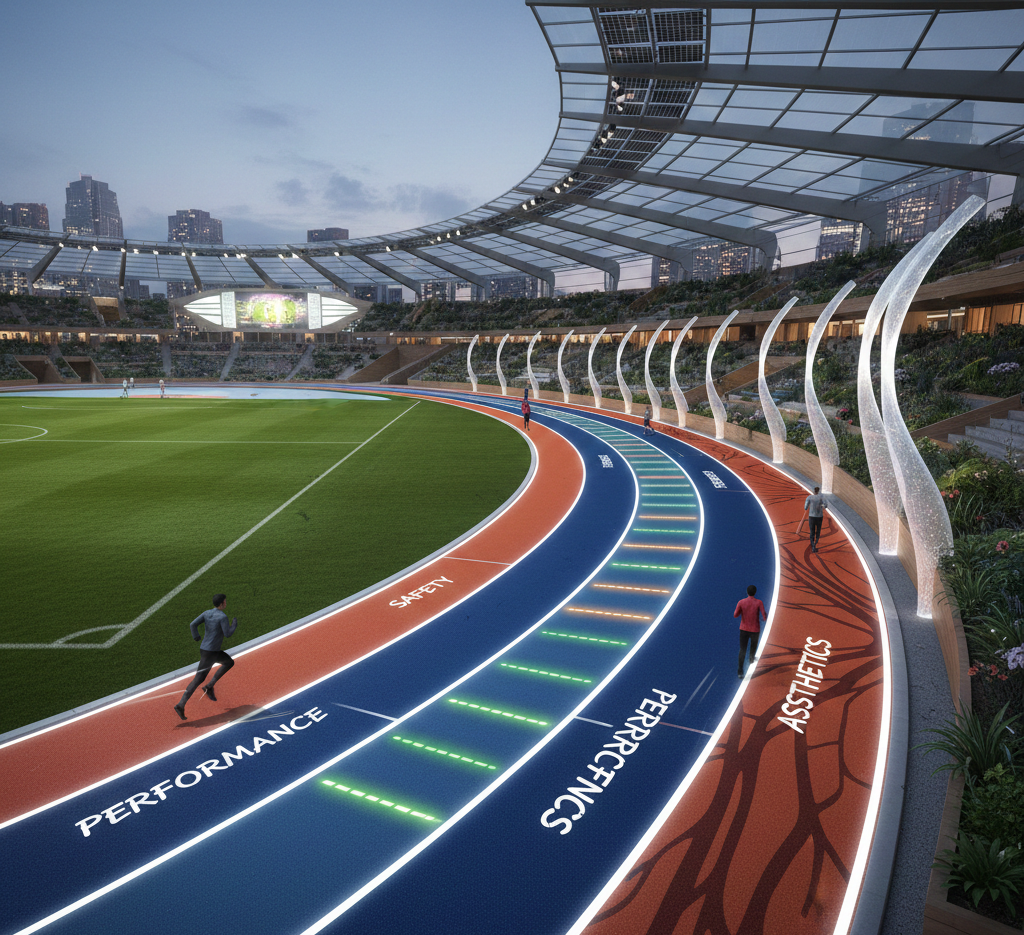
Stadiums are more than just venues for professional sports—they are hubs for community engagement, athletic development, and recreational activities. A well-designed stadium jogging track plays a pivotal role in enhancing the functionality of the stadium while providing athletes and the general public with a safe, high-performance space for running and walking. The design of a stadium jogging track requires a careful balance of durability, safety, aesthetics, and usability to meet the diverse needs of professional sports, training, and recreational activities.
Importance of a Stadium Jogging Track
Jogging tracks within stadiums serve multiple purposes. They not only support athletic training but also encourage community participation and healthy lifestyles. Whether used by professional athletes for endurance training or by casual runners for fitness, a well-designed track ensures that users can train effectively while minimizing the risk of injury.
A stadium jogging track is also a strategic asset for sports events and competitions. It provides a professional environment for timed runs, relay events, warm-ups, and stamina-building exercises. In addition, tracks enhance the overall functionality of the stadium, making it a versatile facility for both sports and public use.
Key Considerations in Stadium Jogging Track Design
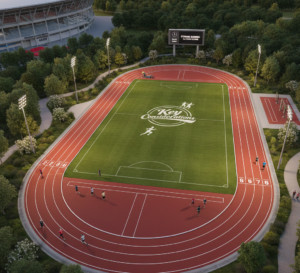
Designing a stadium jogging track requires detailed planning and consideration of multiple factors. These include track layout, surface material, safety features, environmental impact, and aesthetics.
1. Track Layout and Dimensions
The track layout is the foundation of stadium jogging track design. Standard athletic tracks typically follow an oval shape with two straights and two curved ends, providing smooth and efficient running paths. Key factors to consider include:
-
Track Length: Most stadium tracks are designed to be 400 meters per lap, following international standards for athletics. However, for recreational purposes, shorter or custom-length tracks may also be implemented.
-
Lane Width: Each lane is generally 1.22 meters wide, allowing runners to maintain personal space and avoid collisions.
-
Curvature: Properly designed curves reduce strain on joints and muscles, enabling athletes to run comfortably at high speeds.
-
Start and Finish Zones: Clearly marked start and finish lines are essential for training, competitions, and timing accuracy.
2. Surface Material Selection
The surface material of a stadium jogging track is a critical factor affecting performance, durability, and safety. Options commonly used in stadium track design include:
-
Synthetic Rubber Tracks: Made from polyurethane or EPDM materials, these tracks offer excellent shock absorption, uniform traction, and durability. They are ideal for professional athletic use and high-intensity training.
-
Asphalt Tracks: Cost-effective and durable, asphalt is commonly used for multi-purpose stadiums. While suitable for recreational use, it requires maintenance to prevent cracks and surface degradation.
-
Tartan Tracks: A type of synthetic track with a granular surface, Tartan tracks provide superior traction, weather resistance, and a cushioned running experience, making them a favorite for international stadiums.
The choice of material should balance performance, weather resistance, maintenance requirements, and budget.
3. Safety Measures
Safety is a non-negotiable aspect of stadium jogging track design. Proper safety measures minimize the risk of injuries and ensure a secure running environment. Considerations include:
-
Shock Absorption: The track surface must reduce impact on joints and muscles. Rubberized and synthetic surfaces are particularly effective in this regard.
-
Drainage Systems: Adequate drainage prevents water accumulation, reducing the risk of slipping and surface damage during rainy seasons.
-
Lane Markings: Clear and visible lane markings help runners maintain their paths and prevent collisions.
-
Lighting: Proper illumination allows the track to be safely used during evening hours or low-light conditions.
4. Environmental and Aesthetic Considerations
A stadium jogging track should complement the stadium’s overall design and landscaping. Incorporating greenery, trees, and open spaces around the track enhances the visual appeal and provides shade for runners. Additionally, eco-friendly materials and construction practices can reduce environmental impact while creating a sustainable facility.
Aesthetic elements such as color-coded lanes, track logos, and branding enhance the stadium’s identity and create an engaging experience for athletes and visitors.
5. Integration with Stadium Facilities
The jogging track should seamlessly integrate with other stadium facilities. This includes connections to warm-up areas, locker rooms, bleachers, and spectator zones. Easy access to medical stations and hydration points ensures the safety and comfort of runners. Additionally, incorporating exercise corners, stretching stations, and fitness zones around the track can further enhance functionality.
Benefits of a Well-Designed Stadium Jogging Track
A thoughtfully designed stadium jogging track offers multiple benefits for athletes, sports enthusiasts, and the community:
1. Enhances Athletic Performance
Professional athletes require tracks that allow high-speed training while minimizing injury risk. Synthetic and tartan surfaces provide optimal grip, cushioning, and energy return, enabling athletes to perform at their best. Properly designed curves and straights contribute to speed development and stamina training.
2. Promotes Community Health
Stadium jogging tracks are often accessible to the public, providing a safe space for community members to walk, jog, and exercise. Regular physical activity improves cardiovascular health, builds endurance, and supports mental well-being, encouraging a culture of fitness and wellness.
3. Supports Multi-purpose Use
Modern stadiums are multi-functional, hosting sporting events, marathons, school athletics competitions, and community fitness programs. A flexible jogging track design accommodates diverse activities while maintaining professional standards for competitive events.
4. Reduces Risk of Injuries
Proper surface selection, lane design, and safety measures minimize the risk of slips, falls, and joint injuries. The cushioning provided by synthetic tracks reduces impact stress, making the stadium safe for athletes and casual users alike.
5. Increases Stadium Value and Appeal
A high-quality jogging track adds value to the stadium by making it suitable for professional events, training camps, and community programs. It also enhances the stadium’s reputation as a modern, versatile, and athlete-friendly facility.
Maintenance and Longevity
Maintaining a stadium jogging track is essential to preserve its performance, appearance, and safety. Maintenance activities include:
-
Regular Cleaning: Removing debris, leaves, and dirt to prevent surface damage and maintain traction.
-
Surface Inspection: Checking for cracks, wear, or uneven areas and repairing them promptly.
-
Lane Marking Repainting: Ensuring lane lines and directional markings remain clear and visible.
-
Resurfacing: Periodically resurfacing synthetic tracks extends their lifespan and maintains shock absorption properties.
Proper maintenance protects the stadium investment and ensures a safe, reliable experience for all users.
Budget and Cost Considerations
The cost of designing and constructing a stadium jogging track depends on factors such as surface material, track length, lane count, and additional amenities like lighting, landscaping, and seating. Synthetic tracks have higher initial costs but lower maintenance over time, while asphalt tracks are more budget-friendly but require regular upkeep. Planning a long-term budget ensures that the stadium jogging track remains functional and attractive for years.
Conclusion
Stadium jogging track design is a strategic element that enhances the overall functionality, aesthetics, and value of a stadium. A well-planned track combines performance, safety, and visual appeal, providing a space for professional athletes, community members, and fitness enthusiasts to engage in healthy, active lifestyles.
From carefully selecting surface materials to designing lanes, curves, and safety measures, every aspect of the track contributes to a superior running experience. Integrating the track with the stadium’s infrastructure ensures accessibility, convenience, and versatility.
By investing in a professionally designed stadium jogging track, stadium authorities and planners create a facility that supports athletic development, promotes public health, and elevates the stadium’s status as a modern, multi-purpose sports venue. The result is a safe, durable, and visually appealing space where athletes and communities can enjoy running, training, and fitness activities for years to come.
Stadium Jogging Track Design – FAQs
1. What are the standard dimensions of a stadium jogging track?
-
Standard 400-meter oval track with two straights and two curves
-
Lane width: 1.22 meters (4 ft) per lane
-
Number of lanes: Usually 6–8 lanes for professional stadiums
-
Curve radius: 36.5 meters for the inside lane (standard IAAF specification)
The dimensions may be slightly adjusted for multi-purpose stadiums or limited space facilities.
2. What types of surfaces are used for jogging tracks?
Common jogging track surfaces include:
-
Synthetic tracks (PU or polyurethane): Durable, weather-resistant, and shock-absorbing
-
Rubberized tracks: Soft, reduces joint stress, ideal for recreational use
-
Tartan tracks: Professional standard, suitable for athletics competitions
-
Asphalt or concrete tracks: Cost-effective, usually for outdoor recreational tracks
3. Why is a shock-absorbing surface important?
-
Reduces impact on joints, knees, and ankles
-
Minimizes the risk of injuries during jogging or running
-
Provides consistent traction for different weather conditions
-
Enhances comfort and performance for regular users
4. What is the recommended track width?
-
Inside lane (lane 1): Minimum 1.22 m
-
Other lanes: 1.22 m each, with total width depending on the number of lanes
-
For 8-lane stadium tracks, total width ≈ 9.76 meters
Proper lane width ensures safe spacing between runners and meets international standards.
5. How is drainage handled in stadium jogging tracks?
-
Sloping the track surface slightly (≈1–2%) toward drainage points
-
Installing subsurface drainage pipes under synthetic or rubber tracks
-
Prevents water accumulation, slippery surfaces, and damage to the track
6. What are the essential markings on a stadium jogging track?
-
Lane lines to separate runners
-
Start and finish lines for different distances (100 m, 200 m, 400 m)
-
Inner and outer edge markings for safety and measurement
-
Optional direction arrows for recreational or training use
7. How is the track foundation constructed?
-
Base layer: Compacted gravel or crushed stone for stability
-
Binder layer: Asphalt or similar material for structural strength
-
Top layer: Synthetic PU, tartan, or rubberized surface for shock absorption and smooth running
Professional construction ensures longevity and safety.
8. What maintenance is required for a stadium jogging track?
-
Regular cleaning to remove dirt, leaves, and debris
-
Inspection for cracks, surface wear, or puddles
-
Annual resurfacing for synthetic tracks every 7–10 years
-
Maintaining proper drainage and slope to prevent waterlogging
9. Can jogging tracks be multi-purpose?
Yes. Stadium jogging tracks often double as:
-
Warm-up and cool-down areas for athletes
-
Walking tracks for stadium visitors
-
Spaces for fitness events or training drills
Multi-purpose design should consider lane markings, surface durability, and user safety.
10. Is lighting necessary for stadium jogging tracks?
Yes, especially for evening use:
-
Uniform lighting along the track for visibility and safety
-
Avoid glare on the track surface
-
LED floodlights or track-level lights are preferred
11. What are typical stadium jogging track dimensions for recreational use?
-
Length: Can vary from 200 m to 400 m per lap
-
Lane width: Minimum 1.2 m per lane
-
Number of lanes: 2–4 for smaller stadiums or public parks
-
Surface material: Rubberized or synthetic for durability and comfort