Introduction
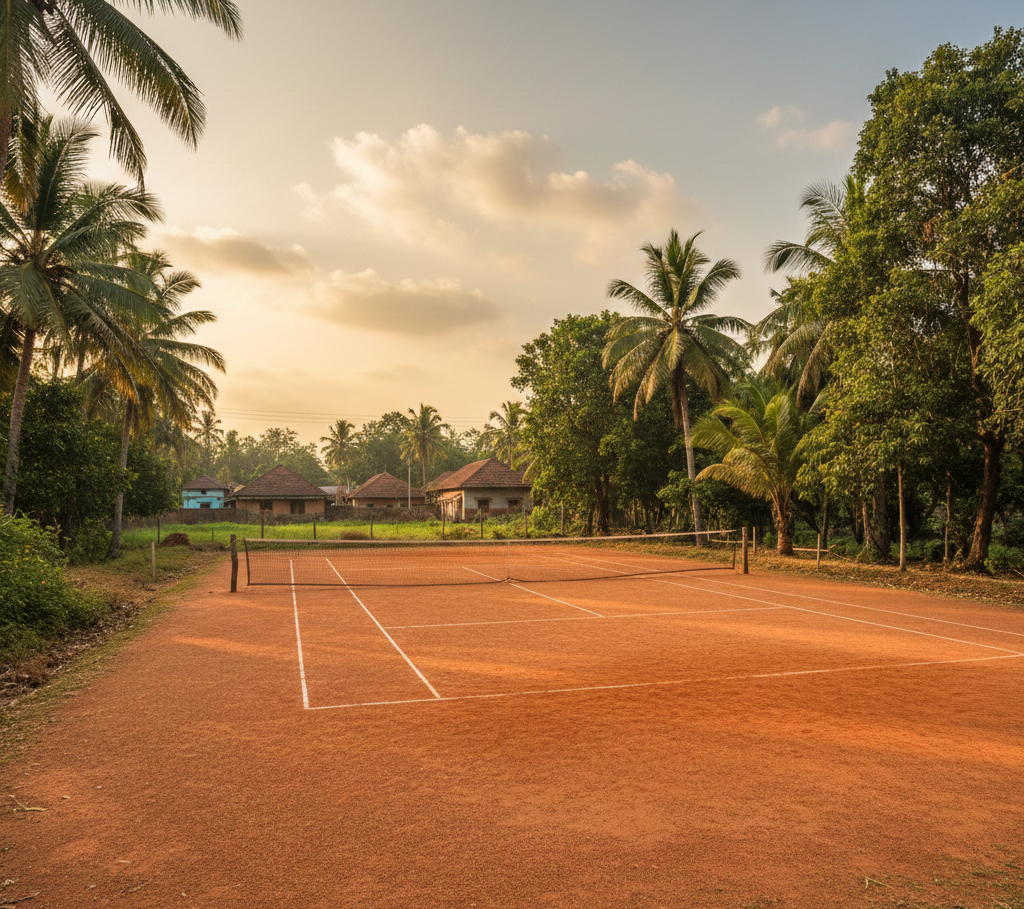
West Bengal has a rich sporting heritage and a long-standing connection with tennis. With cities like Kolkata, Siliguri, Durgapur, Asansol, Howrah, Kharagpur, Malda, Jalpaiguri, and Darjeeling expanding their sports infrastructure, the demand for high-quality tennis courts—especially clay courts—is steadily increasing.
Clay courts are highly favored across Bengal due to their comfortable playing experience, suitability for humid weather, and long-lasting performance when maintained properly.
Why Choose Clay Courts in West Bengal?
1. Perfect for Bengal’s Humid Climate
West Bengal experiences:
-
Humid summers
-
Moderate to heavy rainfall
-
Moist soil conditions
Clay courts adapt well to humidity and maintain consistent play when built with proper drainage and compacting.
2. Player-Friendly & Safe
Clay is one of the most forgiving surfaces:
-
Low impact on joints
-
Ideal for beginners and training academies
-
Smooth sliding reduces injuries
Perfect for young players learning proper footwork and stroke technique.
3. Enhances Skill Development
Clay courts naturally slow down the ball, helping players improve:
-
Timing
-
Topspin strokes
-
Endurance
-
Tactical awareness
This makes clay a preferred surface in Bengal’s training centers.
4. Readily Available Materials
West Bengal has abundant:
-
Red soil
-
Brick dust
-
Murram
-
Stone dust
Local material availability reduces transportation cost and speeds up work.
Regional Benefits Across West Bengal
Kolkata
-
Warm, humid climate
-
Clay courts thrive with good drainage
-
Suitable for academies & clubs
North Bengal (Siliguri, Jalpaiguri, Darjeeling)
-
Cooler weather
-
Clay remains firm and comfortable
-
Requires slope adjustment due to terrain
Western & Central Bengal (Durgapur, Asansol, Purulia)
-
Dry summer months
-
Easy to maintain with regular watering
Rural & Semi-Urban Regions
-
Ideal soil availability
-
Economical construction
Challenges of Clay Courts in West Bengal
1. High Humidity
Areas like Kolkata and Howrah often face:
-
Moist surfaces
-
Slow drying times
Proper court engineering solves these issues.
2. Heavy Monsoon Rain
Many districts experience frequent rain, requiring:
-
Strong drainage
-
Slight court slope
-
Proper rolling after showers
3. Vegetation & Algae Growth
Humid conditions can cause:
-
Moss at corners
-
Grass at edges
Regular cleaning and brushing prevents this.
Clay Court Construction Process in West Bengal
Building a durable clay court requires precision engineering and premium materials.
1. Land Preparation & Orientation
Before construction:
-
Select a well-drained, open site
-
Ensure sunlight exposure
-
Allow natural airflow
-
Use North–South alignment
2. Layer-by-Layer Construction Method
1. Sub-Base (150–200 mm)
-
Compacted stone aggregates
-
Provides drainage and stability
2. Stone Dust Layer (50–80 mm)
-
Smooth foundation
-
Helps in proper leveling
3. Clay Binding Layer (20–40 mm)
-
Holds moisture
-
Gives elasticity to the court
4. Top Clay / Brick Dust Layer (5–10 mm)
A mixture of:
-
Clay powder
-
Red soil
-
Brick dust
This gives:
-
Perfect bounce
-
Comfortable sliding
-
Firm grip
5. Line Marking
PVC line tapes ensure:
-
Clear visibility
-
High durability
-
Weather resistance
Drainage System for West Bengal Conditions
An efficient drainage system is essential for West Bengal’s rainfall patterns.
Drainage Features
-
0.8–1% slope for water run-off
-
Side drainage channels
-
Pipelines for quick water movement
-
French drains (optional)
-
Boundary sloping for protection
Monsoon Management
-
Routine cleaning of channels
-
Rolling post-heavy rainfall
-
Moisture control for consistency
Maintenance Requirements
Clay courts need regular but simple upkeep.
Daily Care
-
Watering to hold moisture
-
Dragging with a mat
-
Removing debris
Weekly Care
-
Surface rolling
-
Filling minor depressions
-
Checking moisture balance
Monthly/Seasonal Care
-
Adding fresh clay
-
Line tape inspection
-
Deep rolling after monsoon
-
Drain clearing
Cost of Clay Tennis Court Construction in West Bengal
Approximate Cost Range
₹8 lakh – ₹28 lakh, depending on:
-
Land condition
-
Drainage complexity
-
Court size (single or multiple)
-
Soil availability
-
Lighting and fencing options
Maintenance Cost
Moderate and manageable:
-
Watering
-
Clay top-up
-
Rolling maintenance
-
Labour
Ideal Locations for Clay Court Projects in West Bengal
Clay courts can be constructed easily in:
-
Kolkata
-
Howrah
-
Siliguri
-
Jalpaiguri
-
Malda
-
Durgapur
-
Asansol
-
Kharagpur
-
Burdwan
-
Diamond Harbour
-
Midnapore
-
Purulia
-
Cooch Behar
Flat land and good soil availability make construction efficient and cost-effective.
Advantages & Limitations
| Advantages | Limitations |
|---|---|
| Player-friendly & safe | Requires regular maintenance |
| Perfect for humid climate | High monsoon upkeep |
| Affordable construction | Needs frequent rolling |
| Enhances footwork & technique | Vulnerable to algae near corners |
Conclusion
Clay tennis court flooring in West Bengal is an excellent choice for academies, schools, clubs, sports complexes, stadiums, and private properties. The region’s climate, soil availability, and strong sports culture make clay courts highly effective and long-lasting.
With proper construction techniques and a reliable maintenance routine, clay courts in West Bengal deliver professional-level performance throughout the year.