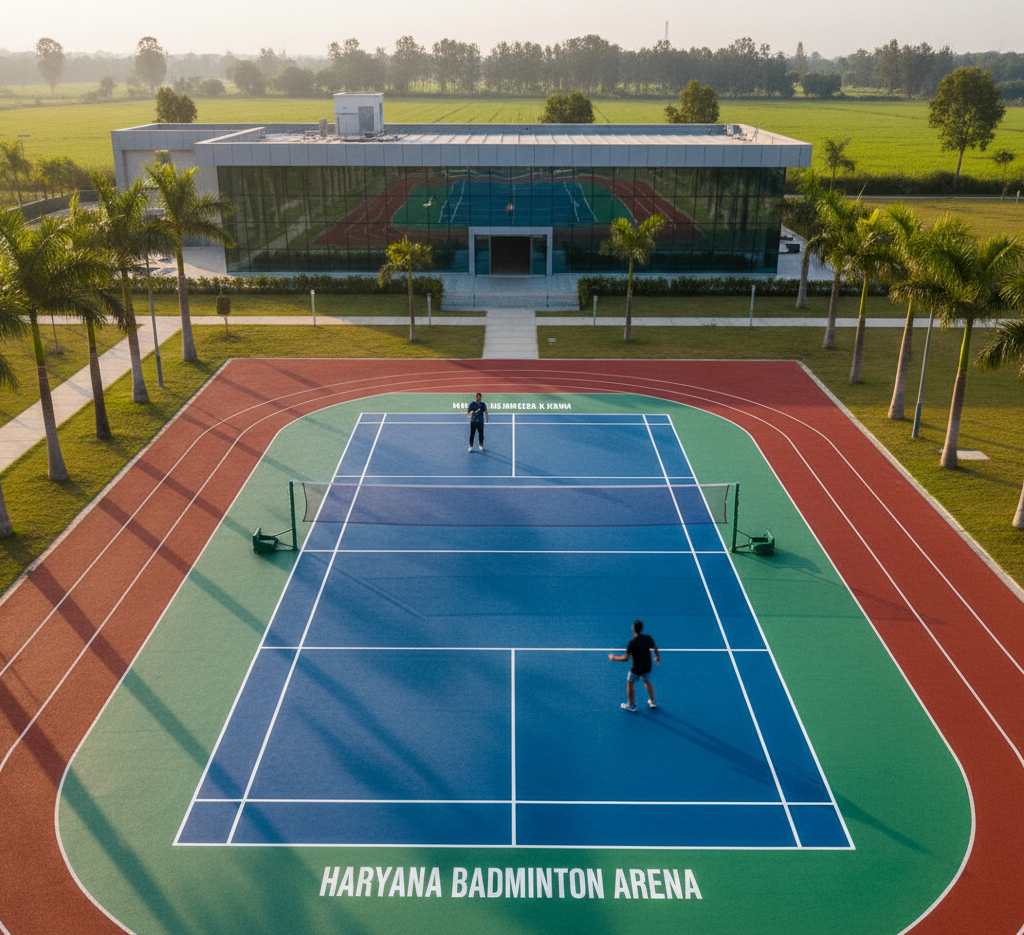
Haryana, a state renowned for its rich sports heritage, has been a consistent producer of athletes in wrestling, boxing, and kabaddi. In recent years, badminton has emerged as a highly popular sport across the state, played in schools, colleges, private academies, and indoor stadiums. With this growing interest, the demand for synthetic badminton court flooring has increased significantly, providing safe, durable, and high-performance surfaces for players of all skill levels.
Badminton requires agility, speed, and precise movement, and the quality of the flooring has a direct impact on performance. Traditional wooden or cement courts are prone to damage, wear, and inconsistent bounce, especially under heavy usage or in varying climatic conditions. Synthetic flooring addresses all these concerns, offering reliable, low-maintenance, and professional-grade surfaces for facilities across Haryana.
Why Synthetic Flooring is Ideal for Badminton Courts in Haryana
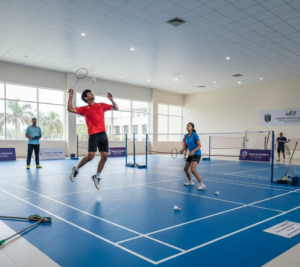
1. Weather-Resistant Performance
Haryana experiences hot summers, humid monsoons, and cold winters. Wooden floors may warp or crack, and cement courts often degrade over time due to temperature changes. Synthetic flooring, including PVC, PU, and acrylic surfaces, is designed to resist heat, humidity, and wear, ensuring consistent performance and durability throughout the year.
2. Player Safety
Synthetic badminton flooring provides excellent shock absorption, reducing stress on knees, ankles, and joints. Its anti-slip surface prevents accidents during rapid movements, making it ideal for children, amateur players, and professional athletes. The cushioned surface also reduces fatigue, allowing longer training sessions without discomfort.
3. Low Maintenance
Unlike wooden courts, which require regular polishing and careful moisture management, synthetic floors need minimal upkeep. Routine sweeping, occasional mopping, and periodic inspections are sufficient to keep the floor in optimal condition. This low-maintenance feature makes synthetic courts a cost-effective choice for schools, academies, and private or government sports complexes in Haryana.
4. Consistent Playing Experience
Synthetic flooring ensures uniform bounce, grip, and speed across the entire court, providing a predictable and high-quality playing surface. Players can perform confidently, whether training, competing, or playing recreationally.
Types of Synthetic Badminton Court Flooring in Haryana
1. PVC Vinyl Flooring
PVC vinyl flooring is one of the most widely used synthetic solutions in Haryana. Its features include:
-
Anti-slip and cushioned surface
-
Multi-layer construction for durability and stability
-
Seamless installation
-
Long-lasting performance under heavy use
PVC vinyl courts are ideal for schools, colleges, indoor stadiums, and recreational clubs, providing excellent value for both budget-conscious and professional facilities.
2. Acrylic Flooring
Acrylic badminton courts are versatile and suitable for indoor and semi-outdoor applications. They are resistant to UV exposure and moisture, making them ideal for regions with high humidity and monsoon conditions. Acrylic surfaces offer smooth, consistent performance, suitable for both practice and professional competitions.
3. PU (Polyurethane) Flooring
PU flooring is designed for high-end indoor stadiums and professional sports complexes. It offers a smooth, joint-free surface with exceptional grip and shock absorption. The cushioned surface reduces the risk of injury and fatigue, ensuring a comfortable experience during long training sessions or tournaments.
4. Rubber Flooring
Rubber flooring is commonly used in training centers and gyms where maximum shock absorption is required. It provides durability, slip resistance, and comfort for high-intensity training sessions and helps young athletes develop skills safely.
Installation Process for Synthetic Badminton Courts in Haryana
Installing synthetic flooring requires precision to ensure long-term performance and safety:
-
Surface Preparation: Cleaning, leveling, and drying the base to prevent moisture-related damage.
-
Shock-Absorbing Layer: Installing cushioning to reduce impact on players.
-
Application of Synthetic Surface: Laying PVC sheets, PU coatings, or acrylic layers depending on the material chosen.
-
Court Marking: Adding precise singles and doubles lines using durable paint.
-
Inspection and Handover: Ensuring surface evenness, grip, and quality before opening for use.
Ideal Locations for Synthetic Badminton Courts in Haryana
Synthetic badminton courts are suitable for:
-
Schools and universities
-
Indoor sports stadiums
-
Private sports academies
-
Fitness and recreation centers
-
Government-supported sports complexes
Major cities such as Gurgaon, Faridabad, Panchkula, Ambala, Rohtak, and Hisar have seen rapid growth in sports infrastructure. Installing synthetic courts in these regions ensures modern, professional-grade facilities for players.
Advantages of Synthetic Badminton Flooring in Haryana
1. Long-Lasting Durability
Synthetic flooring is built to resist wear, moisture, and temperature fluctuations. Unlike wooden or cement surfaces, synthetic courts maintain their shape, bounce, and grip for years, making them a long-term investment.
2. Quick Installation
Synthetic floors can typically be installed in just a few days, minimizing downtime and allowing schools, academies, and clubs to set up professional-grade courts efficiently.
3. Cost-Effective Options
Synthetic flooring comes in various grades. PVC vinyl provides excellent performance at budget-friendly rates, while PU and acrylic systems are suitable for premium facilities and professional stadiums.
4. Compliance with International Standards
High-quality synthetic badminton flooring meets BWF (Badminton World Federation) standards, allowing tournaments, professional training sessions, and official events to be conducted on these surfaces.
Maintenance Tips for Synthetic Badminton Courts
To ensure optimal performance and longevity:
-
Sweep or mop the surface regularly to remove dust and debris
-
Avoid dragging heavy furniture or sharp objects on the floor
-
Use proper indoor sports footwear to minimize wear
-
Prevent water or liquid spills, especially near seams
-
Conduct periodic deep cleaning with mild detergents
Properly maintained synthetic courts can last 8 to 15 years, making them an economical and reliable choice for sports facilities in Haryana.
1. Weather-Resistant Performance
Haryana experiences hot summers, humid monsoons, and cold winters. Wooden floors may warp or crack, and cement courts often degrade over time due to temperature changes. Synthetic flooring, including PVC, PU, and acrylic surfaces, is designed to resist heat, humidity, and wear, ensuring consistent performance and durability throughout the year.
2. Player Safety
Synthetic badminton flooring provides excellent shock absorption, reducing stress on knees, ankles, and joints. Its anti-slip surface prevents accidents during rapid movements, making it ideal for children, amateur players, and professional athletes. The cushioned surface also reduces fatigue, allowing longer training sessions without discomfort.
3. Low Maintenance
Unlike wooden courts, which require regular polishing and careful moisture management, synthetic floors need minimal upkeep. Routine sweeping, occasional mopping, and periodic inspections are sufficient to keep the floor in optimal condition. This low-maintenance feature makes synthetic courts a cost-effective choice for schools, academies, and private or government sports complexes in Haryana.
4. Consistent Playing Experience
Synthetic flooring ensures uniform bounce, grip, and speed across the entire court, providing a predictable and high-quality playing surface. Players can perform confidently, whether training, competing, or playing recreationally.
Types of Synthetic Badminton Court Flooring in Haryana
1. PVC Vinyl Flooring
PVC vinyl flooring is one of the most widely used synthetic solutions in Haryana. Its features include:
-
Anti-slip and cushioned surface
-
Multi-layer construction for durability and stability
-
Seamless installation
-
Long-lasting performance under heavy use
PVC vinyl courts are ideal for schools, colleges, indoor stadiums, and recreational clubs, providing excellent value for both budget-conscious and professional facilities.
2. Acrylic Flooring
Acrylic badminton courts are versatile and suitable for indoor and semi-outdoor applications. They are resistant to UV exposure and moisture, making them ideal for regions with high humidity and monsoon conditions. Acrylic surfaces offer smooth, consistent performance, suitable for both practice and professional competitions.
3. PU (Polyurethane) Flooring
PU flooring is designed for high-end indoor stadiums and professional sports complexes. It offers a smooth, joint-free surface with exceptional grip and shock absorption. The cushioned surface reduces the risk of injury and fatigue, ensuring a comfortable experience during long training sessions or tournaments.
4. Rubber Flooring
Rubber flooring is commonly used in training centers and gyms where maximum shock absorption is required. It provides durability, slip resistance, and comfort for high-intensity training sessions and helps young athletes develop skills safely.
Installation Process for Synthetic Badminton Courts in Haryana
Installing synthetic flooring requires precision to ensure long-term performance and safety:
-
Surface Preparation: Cleaning, leveling, and drying the base to prevent moisture-related damage.
-
Shock-Absorbing Layer: Installing cushioning to reduce impact on players.
-
Application of Synthetic Surface: Laying PVC sheets, PU coatings, or acrylic layers depending on the material chosen.
-
Court Marking: Adding precise singles and doubles lines using durable paint.
-
Inspection and Handover: Ensuring surface evenness, grip, and quality before opening for use.
Ideal Locations for Synthetic Badminton Courts in Haryana
Synthetic badminton courts are suitable for:
-
Schools and universities
-
Indoor sports stadiums
-
Private sports academies
-
Fitness and recreation centers
-
Government-supported sports complexes
Major cities such as Gurgaon, Faridabad, Panchkula, Ambala, Rohtak, and Hisar have seen rapid growth in sports infrastructure. Installing synthetic courts in these regions ensures modern, professional-grade facilities for players.
Advantages of Synthetic Badminton Flooring in Haryana
1. Long-Lasting Durability
Synthetic flooring is built to resist wear, moisture, and temperature fluctuations. Unlike wooden or cement surfaces, synthetic courts maintain their shape, bounce, and grip for years, making them a long-term investment.
2. Quick Installation
Synthetic floors can typically be installed in just a few days, minimizing downtime and allowing schools, academies, and clubs to set up professional-grade courts efficiently.
3. Cost-Effective Options
Synthetic flooring comes in various grades. PVC vinyl provides excellent performance at budget-friendly rates, while PU and acrylic systems are suitable for premium facilities and professional stadiums.
4. Compliance with International Standards
High-quality synthetic badminton flooring meets BWF (Badminton World Federation) standards, allowing tournaments, professional training sessions, and official events to be conducted on these surfaces.
Maintenance Tips for Synthetic Badminton Courts
To ensure optimal performance and longevity:
-
Sweep or mop the surface regularly to remove dust and debris
-
Avoid dragging heavy furniture or sharp objects on the floor
-
Use proper indoor sports footwear to minimize wear
-
Prevent water or liquid spills, especially near seams
-
Conduct periodic deep cleaning with mild detergents
Properly maintained synthetic courts can last 8 to 15 years, making them an economical and reliable choice for sports facilities in Haryana.
Conclusion
Synthetic badminton court flooring has become the preferred choice for sports facilities in Haryana due to its durability, safety, and ability to withstand climatic variations. From schools and private academies to indoor stadiums and government complexes, synthetic surfaces provide a professional, safe, and consistent environment for players. With multiple flooring options, easy installation, and minimal maintenance requirements, synthetic badminton courts are a smart investment for promoting sports and supporting athlete development across the state. As badminton continues to grow in popularity, high-quality synthetic flooring ensures players of all ages can train, compete, and excel in a safe and reliable environment.
Synthetic Badminton Court Flooring in Haryana – FAQs
1. What is synthetic badminton court flooring?
Synthetic badminton court flooring is made from PVC (Polyvinyl Chloride) or PU (Polyurethane) materials and is designed to:
-
Provide consistent ball bounce
-
Offer shock absorption to protect knees, ankles, and joints
-
Ensure a non-slip surface for player safety
-
Be durable, low-maintenance, and long-lasting
It is an ideal alternative to traditional wooden courts, especially for indoor sports facilities.
2. Why choose synthetic flooring in Haryana?
-
Climate resistant: Handles Haryana’s humid summers and cooler winters
-
Low maintenance: Easy to clean; no waxing required
-
Durable: Suitable for frequent indoor use in schools, clubs, and stadiums
-
Quick installation: Faster than hardwood flooring
-
Uniform performance: Ensures consistent traction and ball behavior
3. What are the standard specifications for synthetic badminton flooring?
-
Material: Premium PVC or PU
-
Thickness: 4–8 mm for professional courts
-
Shock absorption: 20–25% to reduce impact on joints
-
Surface finish: Matte or semi-gloss to reduce glare
-
Color options: Green, blue, red, or custom shades for recreational or professional use
4. Does Haryana’s climate affect synthetic flooring?
Yes. Haryana has humid summers, monsoon rains, and dry winters, which requires:
-
Moisture-resistant synthetic materials
-
Proper subfloor installation with drainage and ventilation
-
Indoor humidity control (40–55%) to prevent swelling, warping, or mold
PVC and PU surfaces are ideal for this environment.
5. What are the standard badminton court dimensions?
-
Length: 13.4 meters (44 ft)
-
Width: 6.1 meters (20 ft) for doubles, 5.18 meters (17 ft) for singles
-
Service areas: Clearly marked with white or yellow lines
-
Run-off space: Minimum 2 meters around the court for safety
6. What maintenance is required for synthetic badminton flooring?
-
Daily dusting with a dry mop
-
Weekly wet cleaning with mild, non-abrasive solutions
-
Periodic inspection for scratches, surface damage, or loose panels
-
Maintain indoor humidity at 40–55% to extend lifespan
7. How long does synthetic badminton flooring last?
-
Indoor courts: 8–12 years with proper care
-
Outdoor courts: 5–8 years depending on exposure to weather
Regular use and proper maintenance ensure optimal longevity.
8. Can synthetic flooring be installed over existing surfaces?
Yes, suitable surfaces include:
-
Concrete slabs
-
Old wooden flooring (if stable and level)
-
Asphalt or PU sub-layers
Proper leveling and subfloor preparation are essential for performance and durability.
9. Is professional installation necessary?
Yes. Professional installation ensures:
-
Correct panel alignment and surface leveling
-
Proper shock absorption and thickness
-
Compliance with BWF (Badminton World Federation) or national standards
-
Long-term safety and performance
10. Where is synthetic badminton flooring used in Haryana?
-
Sports academies and clubs in Gurugram, Faridabad, Panipat, and Ambala
-
Schools and colleges with indoor courts
-
Corporate gyms and fitness centers
-
Hotel and resort indoor courts
11. What colors and designs are recommended?
-
Professional courts: Blue or green with contrasting white or yellow lines
-
Recreational courts: Custom colors to match branding or interior design
-
Matte finish is recommended to reduce glare under indoor lighting