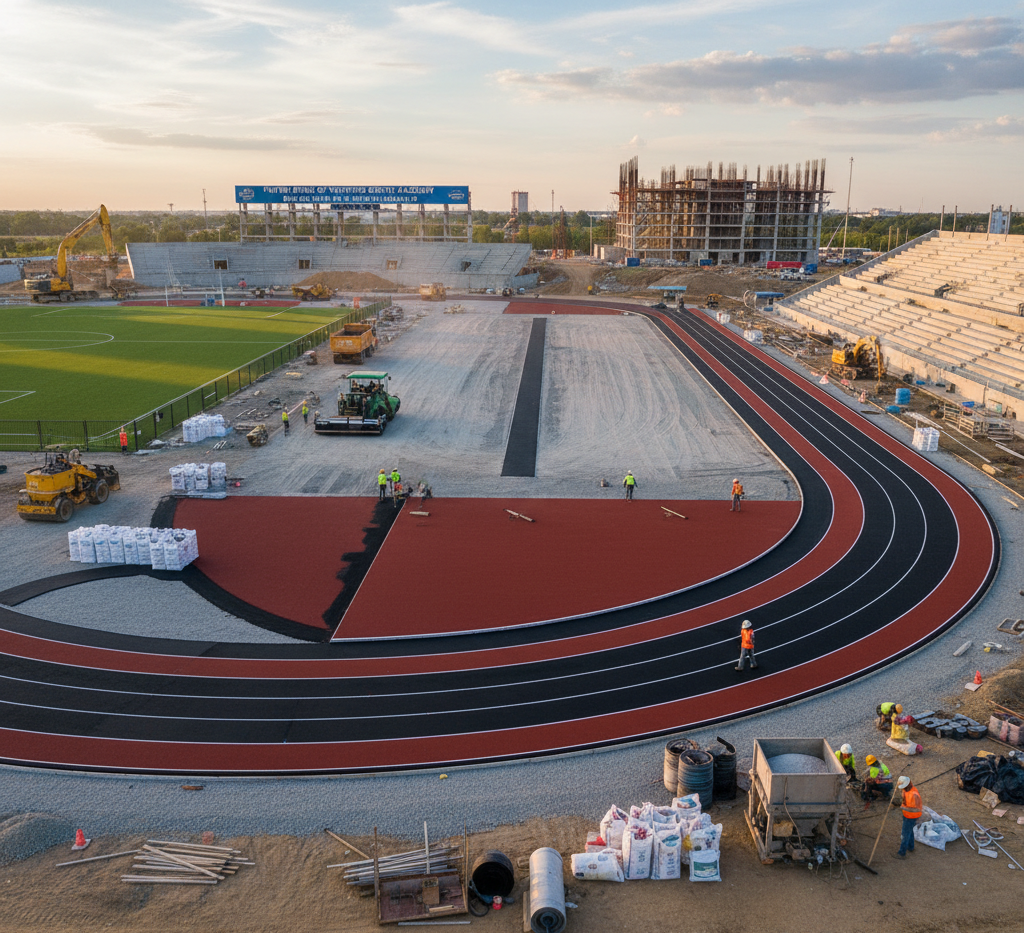
In modern sports infrastructure, the jogging track has become a vital feature of every sports complex. It’s more than just a circular pathway — it’s a space for endurance training, fitness, recreation, and community engagement. Whether it’s a school, university, township, or public sports arena, a well-designed jogging track enhances both the functionality and aesthetics of the facility.
Jogging tracks in sports complexes are not limited to athletes; they welcome fitness enthusiasts, morning walkers, and individuals of all age groups. With rising awareness about health and physical activity, a durable, well-constructed jogging track is now considered a core investment in public wellness and athletic development.
1. Importance of Jogging Tracks in Sports Complexes
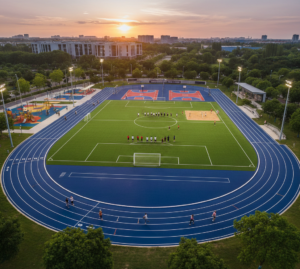
Jogging tracks serve as a bridge between professional sports and general fitness. They encourage participation in physical activity without the need for specialized equipment or training. In sports complexes, they provide athletes with a safe, consistent surface for endurance training, warm-ups, and cool-down sessions.
Moreover, a jogging track adds value to the complex by offering an all-weather, low-maintenance fitness facility that can be used by hundreds of people daily. It supports community health programs, walking clubs, and athletic training, making it a versatile component of any multi-sport infrastructure.
Key benefits include:
-
Promotes daily fitness for people of all age groups.
-
Provides professional-grade surfaces for athlete conditioning.
-
Adds a recreational element to sports facilities.
-
Improves the visual appeal and layout of the sports complex.
-
Offers a safe and injury-free running environment.
2. Site Planning and Design Considerations
Every jogging track construction begins with detailed site planning. Engineers and designers analyze soil conditions, available space, and environmental factors before creating the blueprint. The design process includes determining the track shape, width, drainage layout, and surface type.
The most common shapes used in sports complexes are:
-
Circular tracks – For compact spaces and recreational jogging.
-
Oval tracks – Suitable for multi-sport integration and formal jogging paths.
-
Custom tracks – Designed around playgrounds, gardens, or stadium perimeters.
Proper planning ensures seamless integration of the jogging track with other facilities like playgrounds, gym zones, and athletic fields.
Design factors include:
-
Track Length & Width – Usually 200m to 400m depending on site capacity.
-
Surface Gradient – A slight slope (1–2%) for efficient water drainage.
-
Lighting & Signage – For safe use during early morning or night hours.
-
Accessibility – Ramps and clear entryways for all age groups.
3. Types of Jogging Track Surfaces
The performance and durability of a jogging track depend heavily on the surface material. Each type offers distinct benefits depending on budget, usage, and maintenance needs.
a. Synthetic Rubber Jogging Track
Synthetic tracks made from EPDM or polyurethane granules are widely used in modern sports complexes. They provide superior shock absorption, non-slip properties, and a professional look. This surface type reduces the risk of joint injuries and withstands heavy foot traffic and weather variations.
b. Acrylic Coated Jogging Track
Acrylic surfaces are smooth, UV-resistant, and customizable in color. They are ideal for both indoor and outdoor tracks, offering an attractive appearance and easy maintenance.
c. Asphalt or Bitumen Track
A cost-effective solution often used in public sports parks. While durable, it may not provide the same cushioning as synthetic or acrylic tracks. However, it serves well for large-scale projects with budget constraints.
d. Natural or Clay Surface
Some eco-friendly complexes prefer clay or compacted soil surfaces. Though low in cost, these tracks require frequent maintenance and are best suited for light recreational use.
4. Construction Process of a Jogging Track
A professional jogging track construction involves several crucial stages to ensure longevity and precision. 1: Site Preparation
: Drainage System
An effective drainage layout is designed to prevent water stagnation. Side channels and slope adjustments help maintain the integrity of the surface.
: Base Layer Installation
. This layer ensures the track remains firm and even under pressure.
5. Key Features of a Quality Sports Complex Jogging Track
A well-constructed jogging track stands out through a combination of performance and durability features:
-
Non-slip, all-weather surface
-
Shock-absorbing layer for comfort and safety
-
UV and water-resistant coating
-
Customizable colors and markings
-
Low maintenance and long lifespan
-
Eco-friendly materials with recyclable base layers
6. Maintenance and Longevity
Jogging tracks are long-term assets, and their lifespan depends largely on maintenance. Regular cleaning, minor surface repairs, and drainage inspections help preserve the surface quality for years.
Maintenance best practices include:
-
Routine surface brushing and washing.
-
Immediate repair of cracks or worn sections.
-
Avoiding heavy vehicle traffic on the track.
-
Re-coating synthetic or acrylic layers every 4–5 years.
Proper upkeep ensures consistent traction and safety while minimizing operational costs.
7. Why a Jogging Track Enhances the Sports Complex Value
Including a jogging track in a sports complex adds multidimensional value — not just in terms of fitness but also in attracting visitors, hosting events, and improving the facility’s overall utility.
Community Use: Residents and local clubs can use it for daily walking, marathons, and fitness events.
Athletic Use: Ideal for athletes’ endurance training and rehabilitation.
Economic Value: Increases the complex’s usability and rental potential.
Aesthetic Appeal: Adds symmetry and professionalism to the entire sports facility.
A well-designed jogging track becomes the heartbeat of the sports complex — active from early mornings to late evenings.
8. Conclusion
Jogging track construction in sports complexes represents the perfect blend of engineering precision, athletic functionality, and community wellness. A professionally built track not only encourages physical fitness but also strengthens the identity of the complex as a hub of healthy living and sports excellence.
🏃 Sports Complex Jogging Track Construction — FAQ
1. What is a sports complex jogging track?
A sports complex jogging track is a dedicated running and walking surface designed within a multi-sport facility. It is built for daily fitness activities, warm-ups, endurance training, and recreational jogging, offering a safe and cushioned environment for users of all age groups.
2. What materials are used in jogging track construction?
Common materials include:
-
Synthetic acrylic flooring – Durable and weather-resistant
-
PU (Polyurethane) track systems – Seamless and shock-absorbing
-
Rubberized EPDM surfaces – High cushioning and anti-slip
-
Prefabricated rubber rolls – Suitable for indoor tracks
The choice depends on whether the track is indoor or outdoor and the intensity of use.
3. What is the ideal thickness of a jogging track?
Typical thickness ranges include:
-
8–10 mm for light jogging and recreational use
-
10–15 mm for heavy footfall areas in sports complexes
Thicker systems provide better shock absorption and joint protection.
4. How long does jogging track construction take?
Construction time depends on size and site conditions. Generally:
-
Small tracks: 10–15 days
-
Medium to large tracks: 3–5 weeks
This includes base preparation, surfacing, curing, and line marking.
5. What base is required before installing the track surface?
A strong and level base is essential. Common bases include:
✔ PCC (Plain Cement Concrete)
✔ Asphalt base
✔ Proper drainage system
✔ Compacted sub-base layers
A well-prepared base ensures durability and prevents cracks.
6. Is drainage important in jogging track construction?
Yes, especially for outdoor tracks. Proper slope design and side drains prevent water accumulation, surface damage, and slippery conditions during rainy seasons.
7. Are jogging tracks different from athletic running tracks?
Yes. Jogging tracks in sports complexes are generally designed for recreational and fitness use, while professional athletic tracks follow standards set by organizations like World Athletics for competitive events.
8. What safety features should a jogging track include?
Important safety features include:
-
Anti-slip surface texture
-
Shock-absorbing layers
-
Clear lane markings
-
Edge protection or safety curbs
-
Proper lighting for evening use
These features reduce injury risk and improve user comfort.
9. How much does sports complex jogging track construction cost?
Costs vary based on material, thickness, and size. Approximate ranges:
-
Acrylic system: ₹180 – ₹350 per sq ft
-
PU or EPDM system: ₹250 – ₹600 per sq ft
Final pricing depends on site preparation, design complexity, and project location.
10. How long does a jogging track last?
With proper installation and maintenance:
-
Acrylic tracks: 5–8 years
-
PU/EPDM tracks: 8–12 years or more
Regular cleaning and periodic resurfacing extend lifespan.