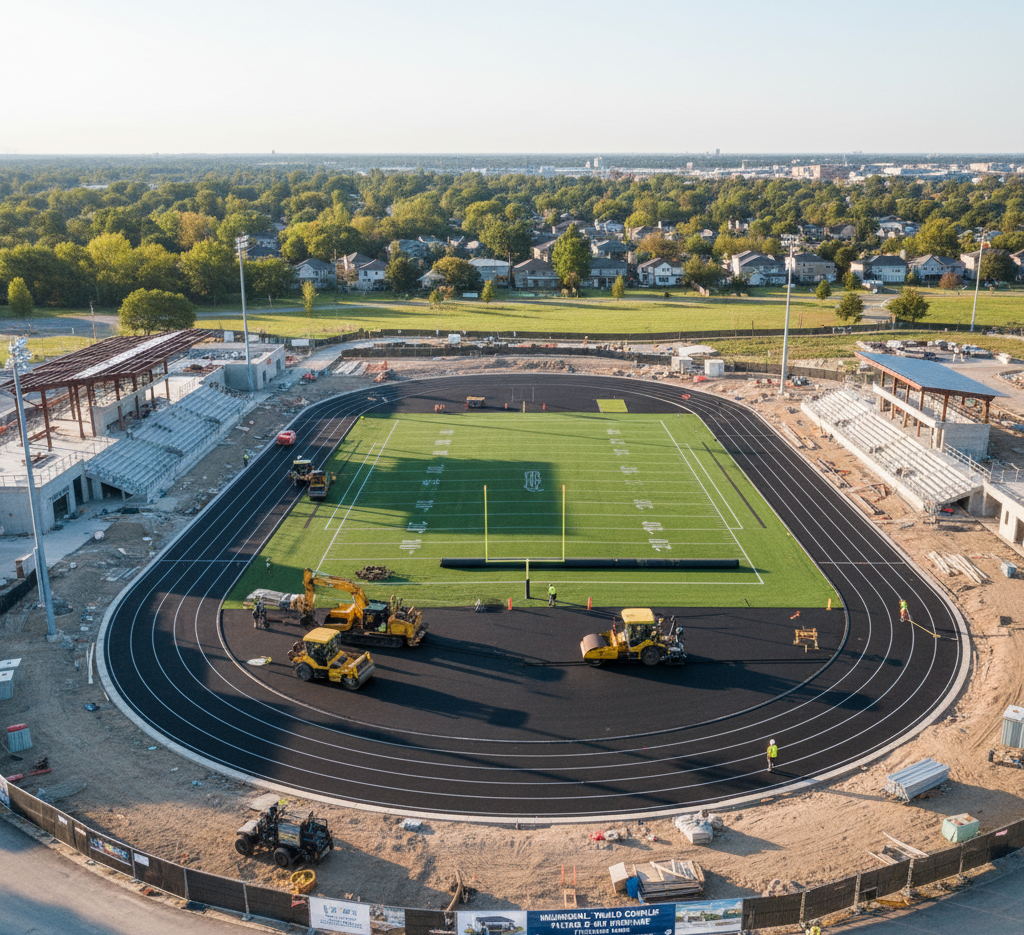
A municipal running track is far more than a sports facility—it is a public asset that promotes health, inclusivity, youth development, and community engagement. Across cities and towns, municipal track installation has become a key priority for local governments and urban planners who aim to create accessible recreational spaces that encourage active lifestyles for citizens of all ages.
From public parks and school campuses to district sports complexes, a well-designed municipal track provides a safe, durable, and welcoming environment for walking, jogging, training, and athletic events. When planned and constructed professionally, a municipal track becomes a long-term investment in public well-being and urban development.
Understanding Municipal Track Installation
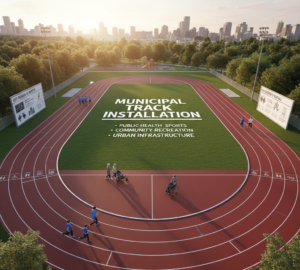
Municipal track installation refers to the planning, construction, and surfacing of running tracks intended for public use. These tracks are typically owned and maintained by local authorities and are designed to handle high foot traffic, diverse users, and year-round weather conditions.
Unlike private or professional-only tracks, municipal tracks must balance performance, safety, durability, cost-efficiency, and inclusivity. They are engineered to serve multiple purposes—recreational jogging, school sports, amateur competitions, and community fitness programs—while remaining accessible and easy to maintain.
Purpose and Importance of Municipal Running Tracks
Municipal tracks play a vital role in urban and semi-urban environments. Their importance extends beyond athletics into broader social and health benefits.
Promoting Public Health
Municipal tracks provide residents with a dedicated space for physical activity, encouraging daily exercise such as walking, jogging, and running. This contributes to reduced lifestyle-related health issues and promotes long-term wellness.
Supporting Youth and School Sports
Local schools and youth programs benefit greatly from access to municipal tracks. These facilities support physical education classes, inter-school competitions, and grassroots athletic development.
Inclusive Community Recreation
A municipal track is open to everyone—children, adults, seniors, and differently-abled individuals. Proper design ensures safe access and usability for diverse community members.
Enhancing Urban Infrastructure
Well-planned tracks enhance the visual and functional value of parks and sports grounds. They create vibrant public spaces that foster social interaction and civic pride.
Encouraging Active Lifestyles
By integrating fitness into everyday urban life, municipal tracks help build healthier and more active communities.
Key Design Elements in Municipal Track Installation
Successful municipal track installation depends on thoughtful design and engineering that align with public use requirements.
Track Size and Configuration
Most municipal tracks follow a standard 400-meter oval layout, usually with 6 or 8 lanes, each measuring 1.22 meters in width. However, space limitations may lead to alternative configurations:
-
200-meter or 300-meter tracks for smaller parks or schools
-
Multi-lane straight tracks for walking and jogging
-
Combined running and walking loops for mixed-use facilities
The design is tailored to land availability, usage patterns, and budget considerations.
Surface Selection
Choosing the right surface is crucial for performance, safety, and longevity. Common surface options include:
-
Polyurethane (PU) Systems – Highly durable, UV-resistant, and suitable for heavy public use
-
EPDM Rubber Surfacing – Softer, shock-absorbent, and ideal for community fitness tracks
-
Sandwich or Tartan Systems – Multi-layered surfaces offering comfort and consistent traction
-
Acrylic-Coated Asphalt – Cost-effective solutions for moderate-use municipal projects
Each surface type is selected based on climate, expected footfall, and maintenance capabilities.
Safety and Comfort Features
Municipal tracks are engineered with elastic layers that reduce impact on joints and muscles. Anti-slip textures ensure safety during wet and dry conditions, making the track suitable for year-round use.
Step-by-Step Municipal Track Installation Process
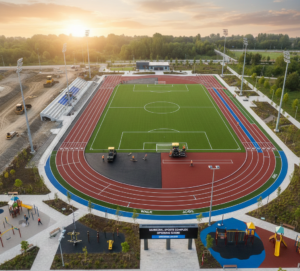
Professional execution is essential for creating a long-lasting municipal track. The installation process typically involves the following stages:
1. Planning and Site Assessment
The project begins with a detailed site survey to assess land conditions, soil quality, drainage, and accessibility. Planners determine the track layout, number of lanes, and integration with surrounding facilities.
2. Ground Preparation
Vegetation, debris, and unsuitable soil are removed. The ground is leveled and compacted to create a stable foundation. Proper grading ensures correct slope for water drainage.
3. Sub-Base and Base Construction
A strong sub-base of crushed stone or granular material is installed and compacted. An asphalt or concrete base layer is then applied to provide structural stability and smoothness.
4. Drainage System Installation
Effective drainage is critical for municipal tracks. Perimeter drains, side channels, and slope gradients are incorporated to prevent water accumulation and surface damage.
5. Cushion Layer and Surface Application
A shock-absorbing cushion layer made of rubber granules and binders is laid over the base. The final synthetic surface is then applied evenly, ensuring uniform thickness and texture.
6. Line Marking and Finishing
7. Lighting and Accessibility Features
8. Quality Testing and Handover
Before opening to the public, the track undergoes testing for surface evenness, friction, shock absorption, and drainage performance. Final inspections ensure compliance with municipal safety standards.
Benefits of Municipal Track Installation
Community Health and Wellness
Municipal tracks encourage regular exercise, helping reduce healthcare burdens and improving overall community fitness.
Long-Term Durability
Modern synthetic surfaces are resistant to weather, UV exposure, and heavy usage. With proper care, municipal tracks can last 10–15 years or more.
Social and Economic Impact
Public tracks attract sports events, fitness programs, and local gatherings, boosting community interaction and enhancing surrounding property value.
Inclusive and Affordable Access
Unlike private facilities, municipal tracks are accessible to all citizens, promoting equality in sports and recreation.
Environmental Responsibility
Many municipal projects use eco-friendly materials, efficient drainage, and solar-powered lighting to minimize environmental impact.
Maintenance and Upkeep of Municipal Tracks
Regular maintenance ensures safety and preserves the investment:
-
Routine cleaning to remove dust, leaves, and debris
-
Periodic inspection for surface wear or damage
-
Drainage system checks to prevent water buildup
-
Repainting of lane markings every few years
-
Professional maintenance contracts for long-term care
Preventive maintenance significantly reduces repair costs and extends track lifespan.
Cost Considerations in Municipal Track Installation
The cost of municipal track installation varies based on:
-
Track size and number of lanes
-
Surface material and thickness
-
Base construction method
-
Drainage, lighting, and accessibility features
-
Labor, equipment, and location
On average, costs range between ₹700 and ₹1,500 per square meter, depending on specifications and project scale.
Integration with Public Recreation Facilities
Municipal tracks are often part of larger recreational hubs, integrated with:
-
Football or multi-purpose fields inside the track oval
-
Outdoor gyms and fitness equipment
-
Children’s play areas
-
Walking paths and cycling tracks
-
Green landscaping and seating zones
This integration maximizes land use and transforms the track into a vibrant community destination.
Why Professional Municipal Track Installation Matters
Experienced sports infrastructure professionals ensure:
-
Accurate leveling and proper drainage
-
Use of certified, durable materials
-
Compliance with municipal regulations and safety standards
-
Efficient project execution and cost control
-
Long-term performance and maintenance support
Professional installation guarantees that the track serves the community safely and effectively for years.
Conclusion
Municipal track installation is a powerful tool for building healthier, more active, and more connected communities. Through thoughtful planning, high-quality materials, and expert construction, a municipal running track becomes a lasting public asset that supports fitness, youth development, and social well-being.
Municipal Track Installation – FAQ
1. What is a municipal running track?
A municipal running track is a public-use athletic track developed by local authorities for community fitness, training, and competitive events. It is designed to withstand high footfall and varying weather conditions.
2. What types of tracks are commonly used in municipal projects?
Common municipal track types include:
-
Synthetic (PU) running tracks
-
EPDM rubber tracks
-
Prefabricated rubber tracks
-
Asphalt or cinder tracks (budget-focused)
Synthetic tracks are most preferred for durability and performance.
3. What are the standard dimensions of a municipal running track?
Most municipal tracks follow international guidelines:
-
Standard track: 400 meters (8 lanes)
-
Lane width: 1.22 meters
Custom tracks (200 m, 300 m, or jogging tracks) can be built where space is limited.
4. What is the typical construction process?
Municipal track installation generally includes:
-
Site survey and soil testing
-
Earthwork and leveling
-
Base layer construction
-
Drainage system installation
-
Track surfacing
-
Line marking and finishing
5. What base is required for municipal track installation?
A strong, stable base is essential. Common base layers include:
-
Compacted granular sub-base
-
Asphalt or concrete base layer
Proper drainage and slope are critical to long-term performance.
6. How long does installation take?
Installation timelines depend on size and surface type:
-
Jogging or mini tracks: 3–6 weeks
-
400 m standard tracks: 8–12 weeks
Weather conditions may affect schedules.
7. Are municipal tracks suitable for all age groups?
Yes. Municipal tracks are designed for:
-
Children
-
Adults
-
Seniors
-
Athletes with disabilities
Shock-absorbing surfaces help reduce injury risks.
8. What safety features are included?
Key safety features include:
-
Slip-resistant surface
-
Shock absorption
-
Clear lane markings
-
Safe entry and exit zones
9. Are municipal tracks weather-resistant?
Yes. High-quality municipal tracks are:
-
UV resistant
-
Water permeable or well-drained
-
Designed for extreme temperatures
They perform well in both hot and rainy climates.