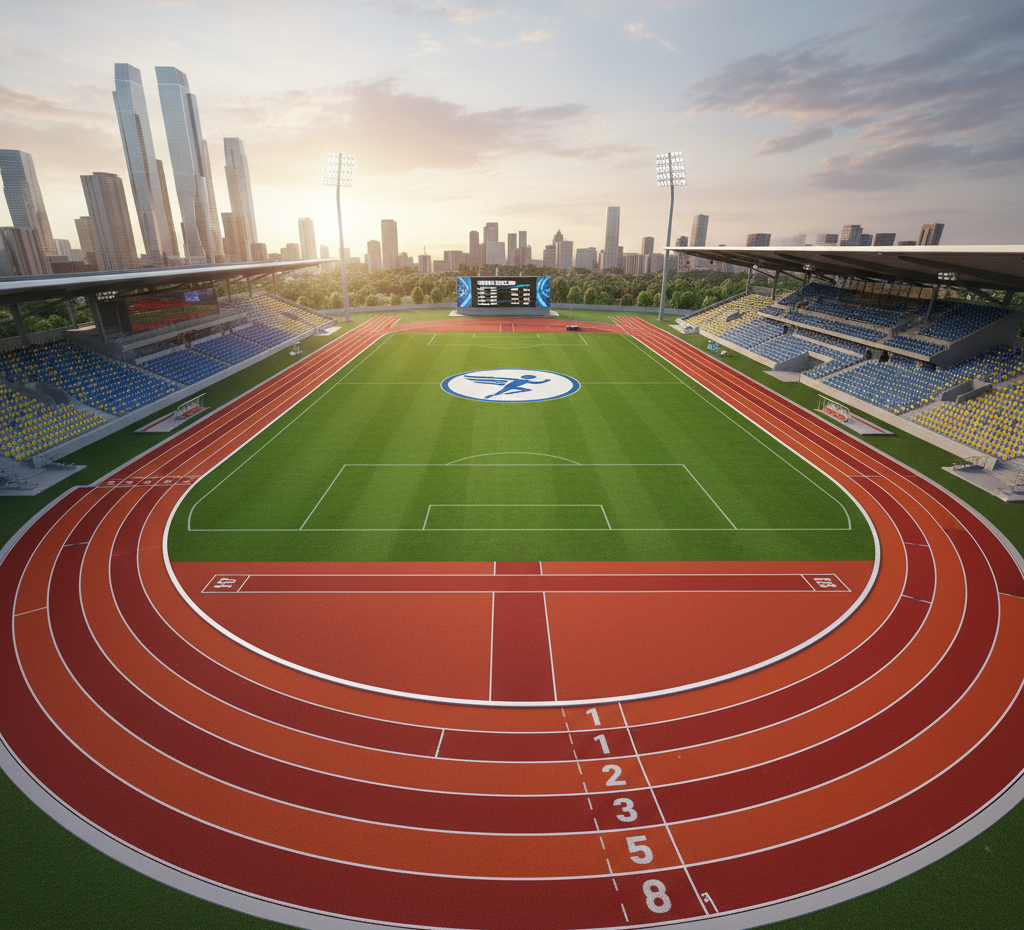
The design of a running track goes far beyond laying asphalt or rubber surfaces. A well-planned running track design integrates athlete performance, safety, and facility efficiency while complying with international standards. Whether for schools, universities, professional stadiums, or community sports complexes, a high-quality running track design ensures an optimal training and competition environment.
Modern tracks use synthetic materials like polyurethane, EPDM, or Tartan surfaces, which provide uniform shock absorption, durability, and all-weather usability. Proper track design also considers lane dimensions, curvature, drainage, and spectator accessibility, ensuring a facility that is both functional and safe.
1. Importance of Running Track Design
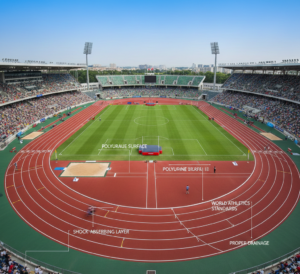
Running track design is crucial because it directly affects:
-
Athlete Performance: Correct geometry, surface materials, and lane configuration optimize speed and efficiency.
-
Safety: Proper slope, drainage, and shock-absorbing layers minimize injuries.
-
Durability: Good design reduces maintenance costs and extends track life.
-
Compliance: Tracks built to international standards can host official competitions.
-
Spectator Experience: Incorporates sightlines, access paths, and seating areas.
A thoughtfully designed track ensures a balance between functionality, safety, and aesthetics.
2. Types of Running Track Designs
Running tracks are classified based on size, shape, and materials:
a. Standard 400-Meter Oval Track
The most common design, used in schools, colleges, and professional stadiums. It features:
-
8 to 10 lanes
-
Curves with a radius of approximately 36.5 meters
-
Two straight sections of 84.39 meters each
This design meets World Athletics (IAAF) specifications for competitive events.
b. Shorter Oval Tracks
Used for indoor facilities or smaller recreational areas:
-
Typically 200–300 meters per lap
-
Reduced lane width (1.0–1.22 meters)
-
Tighter curves for space efficiency
c. Multi-Sport Tracks
Designed for schools and community grounds with integrated zones for athletics events like javelin, long jump, and high jump. This design may combine running lanes with synthetic turf or grass for field events.
3. Essential Components of Running Track Design
A well-engineered track includes several critical components:
-
Track Geometry
-
Standard oval shape with straightaways and curved sections
-
Proper lane width (1.22 meters per lane) and number of lanes
-
Accurate radius on curves for speed optimization
-
-
Surface Materials
-
Polyurethane tracks for performance and durability
-
EPDM granules for vibrant color and weather resistance
-
Tartan tracks for professional-level athletic competitions
-
-
Shock-Absorbing Layers
-
Provides cushioning to reduce strain on joints and muscles
-
Improves energy return and running efficiency
-
-
Drainage and Slope
-
Base slope of 0.5–1% ensures proper water runoff
-
Prevents puddles and surface deterioration
-
-
Safety Features
-
Non-slip surface texture
-
Smooth transitions at curves and start/finish zones
-
Protective barriers for spectators and surrounding areas
-
-
Lane Markings and Event Zones
-
Clearly marked lanes for sprints, hurdles, and relay events
-
Start and finish lines positioned accurately
-
Zones for long jump, high jump, javelin, and discus integrated without interfering with running lanes
-
4. Steps in Running Track Design Process
Step 1: Site Assessment
Evaluate soil type, terrain, and drainage. Consider environmental factors like wind, sunlight, and rainfall.
Step 2: Layout Planning
Design the track geometry, number of lanes, and curve radii. Decide on spectator areas, access paths, and field event zones.
Step 3: Material Selection
Choose appropriate surfacing material based on usage: polyurethane, EPDM, or Tartan synthetic systems.
Step 4: Base Construction
Excavate and lay a compacted asphalt or concrete base. Proper leveling is essential for a flat, stable track.
Step 5: Layer Installation
Install the shock-absorbing layer and top synthetic surfacing. Ensure seamless coverage and uniform thickness across all lanes.
Step 6: Line Marking
Apply high-quality, weather-resistant paint for lane markings, start/finish lines, and field event areas.
Step 7: Quality Assurance
Test for flatness, energy return, traction, and durability to meet international standards.
5. Considerations in Running Track Design
-
Athlete Requirements: Sprinting, middle-distance, long-distance, or hurdles influence design parameters.
-
Usage Frequency: High-use stadiums require durable materials and thicker surfaces.
-
Climate Conditions: Tracks in wet or hot climates require UV and water-resistant surfaces.
-
Budget Constraints: Surface materials, installation methods, and maintenance plans affect overall cost.
-
Compliance with Standards: International, national, or school-level events have different design specifications.
6. Benefits of Professional Running Track Design
-
Enhanced Athlete Performance: Proper surface elasticity and lane geometry improve running efficiency.
-
Injury Prevention: Shock-absorbing layers reduce strain on joints and muscles.
-
Weatherproof Functionality: Synthetic surfaces allow year-round use without deterioration.
-
Cost Efficiency: A well-designed track requires less frequent repairs and lasts longer.
-
Aesthetic Appeal: Smooth, vibrant surfaces improve the overall appearance of the sports facility.
7. Modern Innovations in Running Track Design
-
Prefabricated Synthetic Sheets: Faster installation with factory-quality precision.
-
Eco-Friendly Materials: Use of recyclable rubber and low-VOC polyurethane binders.
-
Integrated Smart Systems: Sensors and timing equipment embedded into tracks for real-time performance monitoring.
-
Custom Color Options: Tracks designed to match branding or aesthetics of a sports facility.
8. Maintenance Tips for Running Tracks
Even the best-designed tracks require maintenance:
-
Regular Cleaning: Remove debris, leaves, and dust.
-
Inspect for Wear: Check for cracks, peeling, or seam damage.
-
Surface Protection: Avoid heavy machinery or sharp objects.
-
Line Repainting: Maintain visibility of lane markings every few years.
-
Drainage Checks: Ensure water runoff systems are functioning properly.
Proper maintenance ensures the track remains safe, visually appealing, and performance-ready for years.
9. Applications of Running Track Design
-
Olympic and International Stadiums
-
School and College Sports Grounds
-
University Training Facilities
-
Community and Municipal Athletics Centers
-
Recreational Jogging and Walking Tracks
Custom designs allow facilities to host official competitions, training sessions, and recreational activities simultaneously.
10. Conclusion
A professional running track design is crucial for the performance, safety, and longevity of any athletic facility. By integrating proper geometry, shock-absorbing layers, high-quality synthetic surfaces, and precise lane marking, a well-designed track provides athletes with the ideal training and competition environment.
From polyurethane and EPDM surfaces to Tartan and sandwich track systems, modern running track design ensures durability, weather resistance, and all-weather usability.
Investing in professional track design is not just about building a running surface—it’s about creating a world-class athletic infrastructure that supports excellence, safety, and sustainable use for years to come.
Running Track Design – Frequently Asked Questions (FAQ)
❓ 1. What is running track design?
Running track design refers to the planning and layout of an athletic or jogging track, including its dimensions, lane configuration, curve radius, surface system, drainage, and compliance with athletic standards. Proper design ensures safety, performance, and durability.
❓ 2. What is the standard design for a 400m running track?
A standard 400m outdoor running track includes:
-
Two straight sections (approximately 84.39 meters each)
-
Two semicircular curves
-
Lane width of 1.22 meters
-
Typically 6 to 8 lanes
-
Safety zones around the track
Design must follow World Athletics guidelines for competitive use.
❓ 3. How many lanes should a running track have?
The number of lanes depends on usage:
-
8 lanes – Professional and competition stadiums
-
6 lanes – Schools and training academies
-
4 lanes – Practice tracks
-
Custom layouts – Jogging parks and residential projects
❓ 4. What is the ideal radius for track curves?
For a standard 400m track:
-
Inside curve radius is approximately 36.5 meters
Proper curve design ensures athlete stability and smooth transitions during races.
❓ 5. What surface types are considered in running track design?
Common surface options include:
-
Full Polyurethane (PU) System
-
Sandwich System (SBR + EPDM)
-
Spray Coating System
-
Acrylic Surface
-
EPDM Jogging Track
Surface selection depends on budget, performance needs, and location.
❓ 6. Why is drainage important in track design?
Good drainage prevents:
-
Water pooling
-
Surface damage
-
Slippery conditions
-
Reduced lifespan
Tracks are usually designed with a cross slope of about 1% for proper water runoff.
❓ 7. What base layers are required in track design?
A typical track base includes:
-
Compacted soil
-
WMM (Wet Mix Macadam) sub-base
-
Asphalt or concrete base
-
Synthetic surface layer
Strong base construction ensures long-term stability.
❓ 8. What safety features are included in running track design?
Safety elements include:
-
Anti-slip surface texture
-
Shock-absorbing layers
-
Proper curve banking (if required)
-
Clear lane markings
-
Safety zones outside the outer lane
These features reduce injury risk and improve athlete confidence.
❓ 9. Can a running track design include field event areas?
Yes. A complete stadium design may include:
-
Long jump and triple jump runways
-
High jump area
-
Pole vault zone
-
Shot put and discus throwing areas
-
Football or multipurpose field inside the track
Proper spacing and safety buffers are essential.
❓ 10. How much space is required to design a 400m track?
A standard 400m 8-lane track requires approximately:
-
176m x 92m overall land area (including safety zones)
Exact dimensions may vary based on layout and additional facilities.