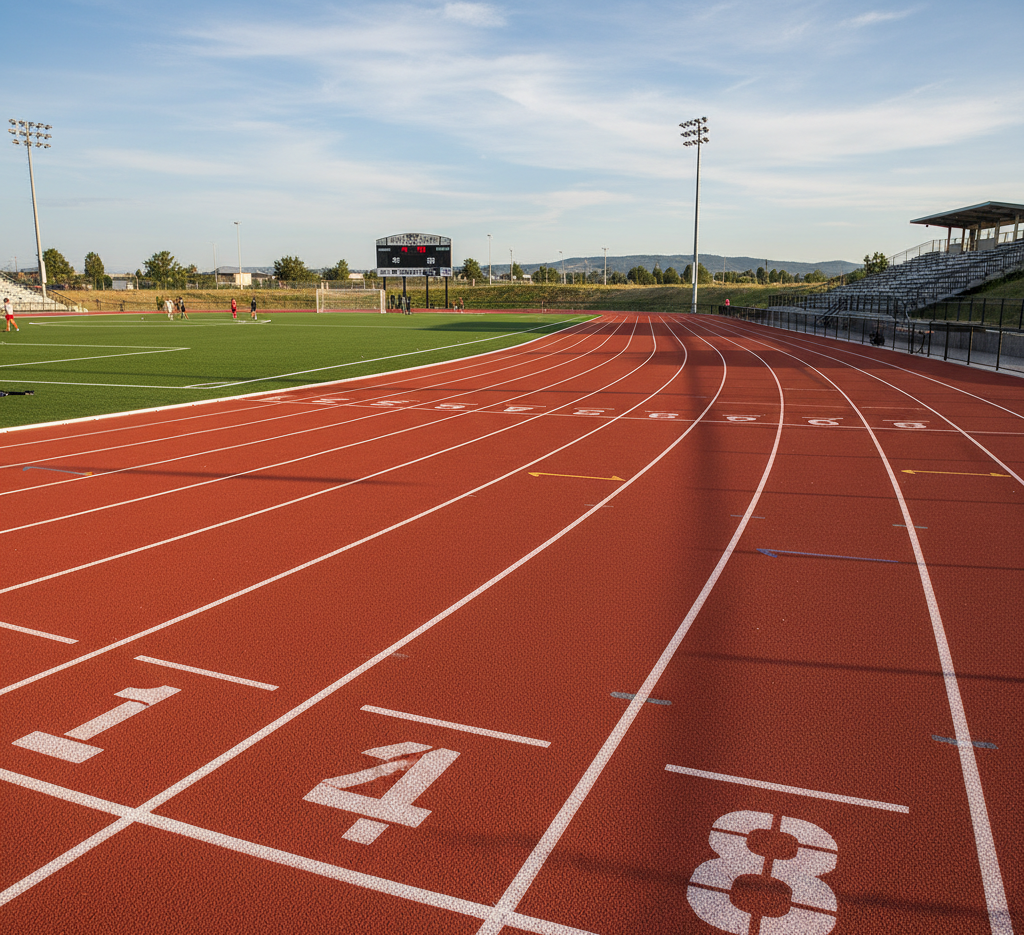
An athletic track is more than just a path for runners—it’s the foundation of performance, safety, and competitive excellence. Whether for schools, universities, stadiums, or community sports complexes, athletic track surfacing plays a critical role in determining how athletes train, compete, and perform.
With the advancement of synthetic materials and modern installation techniques, today’s athletic tracks are designed to deliver unmatched durability, comfort, and speed. From professional-grade polyurethane systems to eco-friendly rubberized surfaces, athletic track surfacing ensures consistent performance, weather resistance, and long service life.
1. What Is Athletic Track Surfacing?
Athletic track surfacing refers to the specialized materials and systems used to create a high-performance, safe, and resilient surface for running tracks. Unlike traditional cinder or asphalt tracks, modern athletic surfaces use synthetic materials such as polyurethane, EPDM, and rubber granules, offering superior traction, shock absorption, and durability.
These surfaces are engineered to meet the standards set by World Athletics (formerly IAAF), ensuring compliance with performance benchmarks for international competitions.
An ideal athletic track surface provides:
-
Excellent grip in all weather conditions
-
High shock absorption for joint protection
-
Long-term resistance to UV rays and heavy use
-
A uniform, seamless running surface
2. Components of an Athletic Track Surface
A typical athletic track consists of multiple engineered layers, each performing a vital function:
-
Base Layer (Asphalt or Concrete)
A strong, leveled foundation ensuring stability and drainage. -
Cushion Layer (SBR Rubber + PU Binder)
Composed of black recycled rubber granules mixed with polyurethane resin to provide elasticity and impact absorption. -
Wearing Layer (EPDM + Polyurethane)
The top layer made of colored EPDM (Ethylene Propylene Diene Monomer) granules bound with polyurethane resin, giving the surface its resilience, UV resistance, and vibrant color. -
Line Marking Layer
Permanent, UV-resistant paint applied to mark lanes, start and finish lines, and event areas.
Together, these layers create a safe, smooth, and energy-efficient track that enhances athletic performance.
3. Types of Athletic Track Surfacing Systems
Different athletic facilities require different types of surfacing systems based on usage, competition level, and budget. Here are the most popular types:
a. Spray-Coated System
A cost-effective solution ideal for schools and community grounds. It involves spraying a polyurethane top coat with EPDM granules over an SBR base layer.
b. Sandwich System
A mid-range system that includes an SBR elastic layer, a polyurethane sealing coat, and an EPDM top layer. Offers enhanced durability and is widely used for professional training facilities.
c. Full-Pour Polyurethane System
A premium system used in Olympic and international stadiums, featuring mixed-in-place polyurethane and EPDM layers. Provides superior uniformity, high performance, and long-term resilience.
d. Prefabricated Track System
Factory-made rubber sheets installed on-site. Ideal for smaller or indoor facilities requiring faster installation and consistent quality.
4. Advantages of Modern Athletic Track Surfacing
Modern synthetic track systems deliver a range of benefits over traditional surfaces:
-
✅ All-Weather Durability – Remains stable in extreme heat, rain, and cold.
-
✅ Shock Absorption – Reduces joint and muscle stress during training.
-
✅ Slip Resistance – Ensures athlete safety even in wet conditions.
-
✅ Energy Return – Helps athletes achieve better performance and speed.
-
✅ UV & Chemical Resistance – Prevents color fading and surface damage.
-
✅ Low Maintenance – Requires minimal cleaning and upkeep.
-
✅ Eco-Friendly Materials – Many systems use recyclable or non-toxic components.
These qualities make synthetic athletic track surfacing a long-term investment for any sports infrastructure project.
5. Installation Process of Athletic Track Surfacing
A professionally installed track surface ensures optimal performance and longevity. The general installation process includes:
Step 1: Base Construction
A compacted asphalt or concrete base is prepared with the correct slope (usually 0.5–1%) to allow for proper drainage.
Step 2: Primer Application
A polyurethane primer is applied to enhance adhesion between the base and the elastic layers.
Step 3: Laying the Cushion Layer
SBR rubber granules mixed with polyurethane binder are evenly spread to form the shock-absorbing cushion base.
Step 4: Applying the EPDM Layer
Colored EPDM granules are mixed with polyurethane and applied manually or using a machine to create a smooth, seamless finish.
Step 5: Curing
The surface is left to cure for 24–48 hours to achieve maximum elasticity and strength.
Step 6: Line Marking
Lane markings and event zones are painted using high-quality, wear-resistant paints.
Each step requires precise environmental control to ensure the final surface meets performance and safety standards.
6. Performance Characteristics
| Feature | Description |
|---|---|
| Shock Absorption | Reduces athlete fatigue and injury risk |
| Energy Return | Improves performance and running efficiency |
| Weather Resistance | Performs well in all climates |
| Slip Resistance | Safe in wet or dry conditions |
| Elasticity | Adapts to different athletic demands |
| Longevity | Lifespan of 10–15 years with proper care |
These performance characteristics make athletic track surfacing suitable for a variety of uses, from sprinting and long-distance running to field events.
7. Applications of Athletic Track Surfacing
Athletic track surfacing is widely used in:
-
Olympic and International Stadiums
-
University and School Sports Grounds
-
Community and Municipal Sports Centers
-
Jogging and Walking Tracks
-
Multi-Sport Arenas
-
Training Facilities and Indoor Tracks
Its versatility allows facility owners to customize the color, texture, and performance levels to meet specific requirements.
8. Maintenance and Lifespan
Athletic tracks are designed for longevity, but regular maintenance ensures they stay in top condition. Recommended practices include:
-
Routine cleaning to remove dirt and debris
-
Periodic inspection for cracks or wear
-
Avoiding sharp objects or heavy vehicles on the track
-
Reapplying line markings every few years
-
Pressure washing when necessary
With proper maintenance, a synthetic athletic track can last up to 15 years while maintaining optimal grip and performance.
9. Environmental and Safety Benefits
Modern track surfaces are developed with environmental sustainability and athlete health in mind:
-
Non-toxic, lead-free, and heavy-metal-free components
-
Low-VOC polyurethane binders
-
Recyclable rubber materials
-
Anti-slip textures for improved safety
-
Superior drainage to prevent water pooling
These features make athletic tracks not only high-performing but also environmentally responsible and safe for athletes of all ages.
10. Comparison: Athletic Track vs. Traditional Surfaces
| Feature | Synthetic Athletic Track | Cinder/Asphalt Track |
|---|---|---|
| Performance | Excellent | Moderate |
| Shock Absorption | High | Low |
| Durability | 10–15 years | 3–5 years |
| Maintenance | Low | High |
| Weather Resistance | Excellent | Poor |
| Athlete Safety | Superior | Average |
Clearly, synthetic athletic tracks outperform traditional ones in every key area, from comfort to durability.
11. Compliance and Certification
These certifications measure:
-
Shock absorption and deformation
-
Friction and traction
-
Force reduction and energy return
-
UV and weather resistance
-
Surface evenness
A certified athletic surface ensures fair competition, athlete safety, and consistent performance across all lanes.
12. Conclusion
Athletic track surfacing represents the pinnacle of modern sports engineering. Whether for elite stadiums or school playgrounds, a properly installed athletic track offers a perfect blend of comfort, resilience, and long-term value.
FAQ – Athletic Track Surfacing: Complete Guide for 2025
1. What is athletic track surfacing?
Athletic track surfacing refers to the top layer material applied on running tracks to provide a durable, safe, and high-performance surface for athletes. It improves traction, shock absorption, and ball bounce consistency for sports like running, sprinting, and field events.
2. What are the common types of athletic track surfaces?
- Synthetic PU (Polyurethane) Track: Professional-grade, shock-absorbing, ideal for competitions
- EPDM Rubber Track: Soft, durable, non-slip, suitable for schools and community tracks
- Asphalt Base with Acrylic Coating: Cost-effective, smooth, and weather-resistant
- Tartan Track: Multi-layered polyurethane track used in stadiums for professional athletics
3. Where is athletic track surfacing used?
- Stadiums and sports complexes
- School, college, and university athletic tracks
- Residential societies and fitness parks
- Public running tracks and municipal sports facilities
4. How long does an athletic track surfacing last?
With proper maintenance:
- PU/EPDM tracks: 8–12 years
- Acrylic-coated tracks: 6–10 years
- Asphalt tracks: 10–15 years with periodic resurfacing
5. How is an athletic track surfaced?
- Base Preparation: Asphalt or concrete layer prepared for level and drainage
- Primer Layer: Applied for better adhesion
- Cushion Layer (for PU/EPDM tracks): Provides shock absorption
- Top Coat: Multi-layer polyurethane or EPDM layer applied
- Line Marking: Final athletic markings for lanes and events
6. How much does athletic track surfacing cost?
- Basic asphalt track with acrylic coating: ₹20–35 lakh for 400 meters
- PU or EPDM synthetic track: ₹40–80 lakh
- High-end professional stadium tracks: ₹1 crore+
Cost varies based on surface type, track size, and amenities like drainage and lighting.
7. What are the advantages of synthetic athletic track surfacing?
- Shock absorption: Reduces injuries to knees, ankles, and joints
- Non-slip and weather-resistant: Safe for all conditions
- Durable and low-maintenance
- Consistent performance for training and competitions
8. Can athletic track surfacing be installed outdoors?
Yes. Modern PU, EPDM, and acrylic surfaces are UV-resistant, water-draining, and designed for outdoor weather conditions, ensuring year-round usability.
9. How to maintain athletic track surfaces?
- Regular cleaning to remove debris and dirt
- Inspect for cracks, wear, or uneven areas
- Repaint lane and event markings as needed
- Check drainage to avoid waterlogging
- Periodic resurfacing to maintain performance and safety