
Jogging and running have become integral parts of a healthy lifestyle, providing numerous physical and mental benefits. However, the surface on which one runs plays a critical role in safety, performance, and overall experience. EPDM jogging track flooring has emerged as a top choice for schools, residential complexes, parks, sports facilities, and professional athletic tracks due to its durability, safety, and aesthetic appeal.
This comprehensive guide explores the features, benefits, installation, maintenance, and applications of EPDM jogging track flooring, helping you make an informed decision for your project.
What is EPDM Jogging Track Flooring?
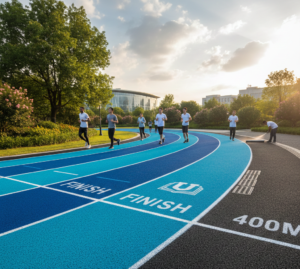
EPDM stands for Ethylene Propylene Diene Monomer, a high-quality synthetic rubber known for its excellent elasticity, durability, and weather resistance. EPDM jogging track flooring is a two-layered system designed to provide a safe and comfortable running surface.
Layers of EPDM Flooring
-
Base Layer (Binder Layer):
-
Composed of polyurethane-bound rubber granules.
-
Provides cushioning, shock absorption, and a stable foundation.
-
-
Top Layer (EPDM Layer):
-
Made from colored EPDM granules bound with polyurethane.
-
Enhances aesthetics, slip resistance, and weather protection.
-
This layered structure creates a flooring system that is soft on joints, slip-resistant, and visually appealing, making it ideal for all kinds of runners.
Advantages of EPDM Jogging Track Flooring
Choosing EPDM flooring for jogging tracks comes with numerous benefits:
1. Enhanced Safety
-
EPDM flooring is shock-absorbing, reducing the impact on knees, ankles, and joints.
-
The textured surface ensures excellent grip, preventing slips and injuries even in wet conditions.
2. Durability and Weather Resistance
-
EPDM is highly resistant to UV rays, rain, and temperature variations, maintaining its performance and appearance over time.
-
Unlike concrete or asphalt, EPDM does not crack easily and can withstand heavy foot traffic.
3. Low Maintenance
-
Requires minimal maintenance—regular cleaning with water and mild detergent is sufficient.
-
No frequent resurfacing or repairs are needed, reducing long-term costs.
4. Aesthetic Flexibility
-
Available in various colors and textures, allowing customization to match park landscapes, school branding, or residential themes.
-
Tracks can incorporate lane markings, distance markers, or logos for added visual appeal and functionality.
5. Eco-Friendly
-
EPDM is non-toxic and recyclable, making it an environmentally friendly choice.
-
Some manufacturers use recycled rubber for the base layer, promoting sustainability.
Applications of EPDM Jogging Track Flooring
EPDM jogging track flooring is versatile and suitable for a wide range of applications:
-
Schools and Colleges: Safe running surfaces for physical education classes and athletic events.
-
Residential Complexes: Encourage residents to engage in fitness activities within their communities.
-
Public Parks and Recreational Areas: Provide aesthetically pleasing, safe, and comfortable jogging paths.
-
Sports Academies and Stadiums: Professional-grade tracks suitable for training and competitive events.
-
Corporate Campuses: Promote employee wellness with dedicated jogging paths.
Installation Process of EPDM Jogging Track Flooring
Professional installation is key to ensuring durability, safety, and performance. The process typically includes:
1. Site Preparation
-
Clear the area of debris, grass, and rocks.
-
Level and compact the ground to create a firm foundation.
-
Ensure proper drainage systems to prevent water accumulation.
2. Base Layer Application
-
Spread the binder layer of polyurethane-bound rubber granules evenly over the compacted surface.
-
Level the layer to provide a smooth and cushioned foundation for the EPDM top layer.
3. Top Layer Application
-
Mix EPDM granules with polyurethane binder according to design specifications.
-
Spread and level the mixture over the base layer using trowels or rollers.
4. Curing and Finishing
-
Allow the track to cure for 24–48 hours, ensuring proper adhesion and hardness.
-
Apply lane markings, distance markers, or logos as required.
5. Inspection
-
Inspect the track for uniform thickness, smooth surface, and proper adhesion.
-
The track is then ready for use, providing a safe and durable running surface.
Maintenance of EPDM Jogging Track Flooring
EPDM jogging track flooring is designed for low maintenance, but following simple guidelines can enhance its lifespan:
-
Regular Cleaning: Sweep off debris and wash the surface periodically with water and mild detergent.
-
Prevent Heavy Loads: Avoid driving vehicles or placing heavy objects on the track.
-
Inspect for Damages: Minor cracks or surface wear should be addressed immediately.
-
Drainage Maintenance: Ensure proper water runoff to avoid waterlogging.
With proper maintenance, EPDM jogging tracks can last 10–15 years or more while retaining their safety and aesthetic qualities.
Cost Considerations
The cost of EPDM jogging track flooring depends on:
-
Track length, width, and design
-
Thickness of the base and top layers
-
Color and customization options
-
Site preparation, drainage, and professional installation
Although the initial investment may be higher than asphalt or concrete, the long-term benefits of safety, durability, low maintenance, and aesthetics make EPDM flooring a cost-effective choice for any jogging track project.
Why EPDM is Preferred Over Other Jogging Track Materials
Compared to asphalt, concrete, gravel, or synthetic turf, EPDM flooring offers:
-
Superior shock absorption for joint protection
-
Slip resistance in all weather conditions
-
Weather-proof and UV-resistant properties
-
Long-lasting performance without frequent repairs
-
Customizable designs that enhance the visual appeal of outdoor spaces
This combination of safety, performance, and aesthetics makes EPDM the preferred choice for modern jogging tracks.
Conclusion
EPDM jogging track flooring is a safe, durable, and visually appealing solution for running surfaces. Its shock-absorbing properties protect joints, while its weather-resistant and low-maintenance design ensures longevity and ease of use. From schools and residential complexes to parks and professional sports facilities, EPDM tracks provide an ideal surface for runners of all ages and abilities.
Investing in an EPDM jogging track is not just a choice of material—it is a commitment to health, safety, and fitness, creating an environment that encourages people to stay active while enjoying a high-quality running experience.
With proper planning, professional installation, and routine maintenance, EPDM jogging track flooring can provide a premium running surface that combines performance, safety, and style for years to come.
EPDM Jogging Track Flooring – FAQs
1. What is EPDM jogging track flooring?
EPDM jogging track flooring is a high-performance synthetic rubber surface made from Ethylene Propylene Diene Monomer (EPDM) granules bonded with polyurethane resin. It creates a seamless, cushioned, and weather-resistant track ideal for jogging, running, and athletic use.
2. Why is EPDM used for jogging tracks?
EPDM is preferred because it offers shock absorption, durability, slip resistance, UV stability, and all-weather performance. It reduces stress on joints and helps prevent injuries, making it suitable for both recreational and professional athletes.
3. How long does EPDM jogging track flooring last?
With proper installation and maintenance, EPDM tracks typically last 8–12 years or more, depending on usage and environmental conditions.
4. Is EPDM flooring safe for outdoor use?
Yes. EPDM is UV-resistant, waterproof, and temperature-stable. It does not crack easily under heat or cold, making it ideal for outdoor jogging tracks in all climates.
5. What thickness is recommended for jogging tracks?
Common thickness ranges from 8 mm to 15 mm.
-
8–10 mm: recreational jogging tracks
-
12–15 mm: athletic or high-impact running tracks
The ideal thickness depends on usage and budget.
6. Is EPDM jogging track flooring slip-resistant?
Yes. EPDM surfaces provide excellent traction even when wet, reducing the risk of slips and falls.
7. Can EPDM tracks be customized in color?
Absolutely. EPDM granules come in a wide range of colors. Tracks can be customized with logos, lane markings, or patterns for aesthetic and branding purposes.
8. How is EPDM flooring installed?
Installation involves preparing a base (usually concrete or asphalt), applying a polyurethane binder, and laying EPDM granules to create a seamless surface. Professional installation is recommended for durability and performance.
9. Is EPDM flooring environmentally friendly?
Yes. EPDM is non-toxic, recyclable, and safe for users. Many systems use eco-friendly materials and meet international safety standards.
10. How do you maintain an EPDM jogging track?
Maintenance is simple:
-
Regular sweeping to remove dust and debris
-
Occasional washing with water
-
Inspection for minor repairs
-
Avoid sharp objects and heavy machinery
No special chemicals are required.
11. Is EPDM suitable for schools and public parks?
Yes. EPDM jogging tracks are widely used in schools, stadiums, parks, residential communities, and sports complexes because they are safe, durable, and low maintenance.
12. Can EPDM flooring handle heavy foot traffic?
Yes. EPDM tracks are designed to withstand heavy daily use without cracking or peeling when installed correctly.