
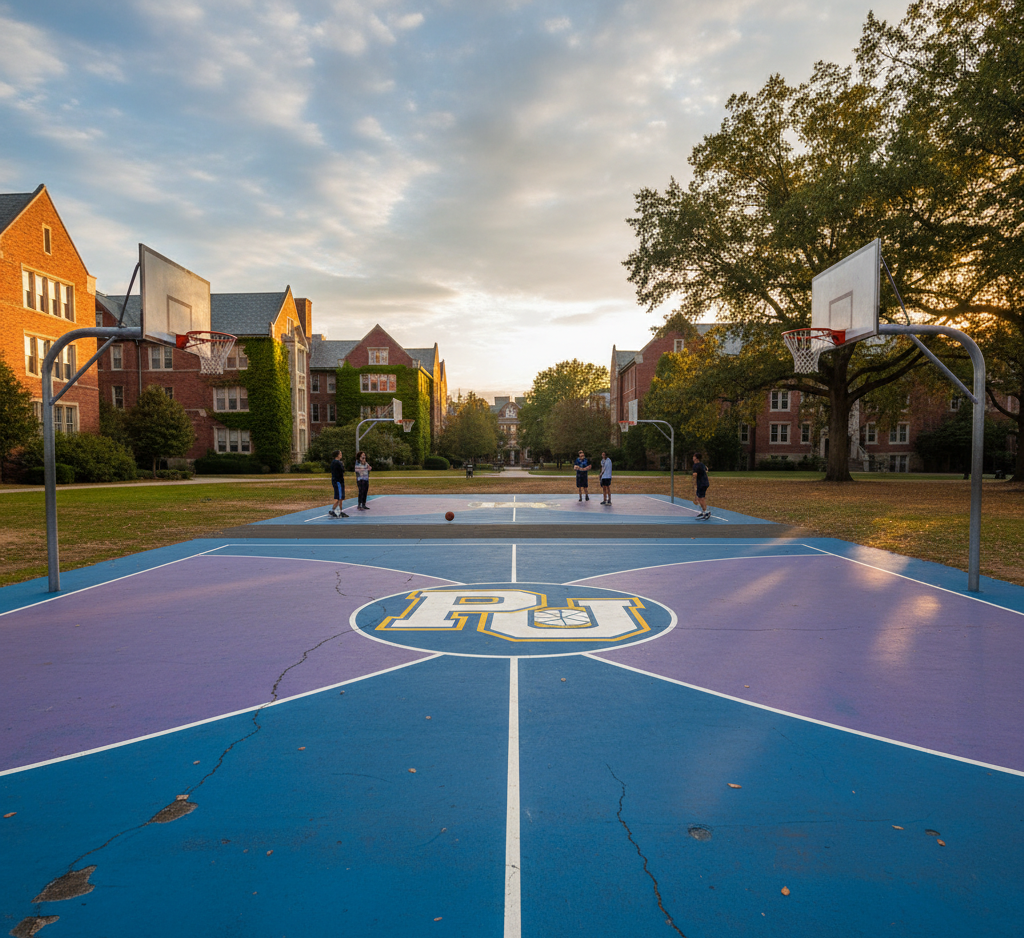
Basketball is a fast-paced, high-energy sport that demands superior performance, safety, and durability from the playing surface. Whether you’re constructing an indoor or outdoor court, choosing the right basketball court flooring is essential for optimal playability, athlete safety, and long-term maintenance. From professional arenas to school gyms and residential setups, the flooring you choose can significantly impact both player experience and the life span of the court.
In this comprehensive guide, we’ll explore the best basketball court flooring materials, their pros and cons, and key factors to consider before making your final choice.
Why Basketball Court Flooring Matters
The flooring of a basketball court is more than just an aesthetic choice—it’s a critical component of the game itself. The right surface:
-
Enhances player performance by providing the right level of bounce and grip.
-
Prevents injuries by reducing impact and offering shock absorption.
-
Ensures durability even under heavy usage.
-
Requires minimal maintenance, saving long-term costs.
-
Improves gameplay consistency with uniform ball bounce and traction.
Key Factors to Consider Before Choosing Flooring
Before selecting the flooring material, consider the following factors:
-
Indoor vs. Outdoor Use – Indoor courts typically require smooth, high-performance materials like maple wood or synthetic surfaces, while outdoor courts need weather-resistant options like acrylic or modular tiles.
-
Budget – Wooden courts can be more expensive due to installation and maintenance costs, whereas synthetic and acrylic options are cost-effective.
-
Maintenance Requirements – Some floors require periodic resurfacing, while others need only simple cleaning.
-
Usage Level – Choose durable materials if the court will be used for tournaments, schools, or sports complexes.
-
Climate Conditions – Outdoor courts must withstand UV rays, rain, and temperature changes without losing traction or color.
Top Basketball Court Flooring Options
1. Maple Wooden Flooring
Best for: Professional indoor basketball courts, schools, and sports complexes
Overview:
Maple wood is the gold standard for professional basketball flooring. Known for its natural resilience, fine grain, and smooth finish, maple provides superior traction, consistent ball bounce, and excellent shock absorption.
Advantages:
-
Classic appearance with a premium feel
-
Superior ball response and grip
-
Long-lasting with proper maintenance
-
Used in most international and NBA-standard courts
Disadvantages:
-
Higher installation and maintenance costs
-
Sensitive to humidity and temperature changes
-
Requires periodic sanding and refinishing
Lifespan: 25–30 years (with proper maintenance)
2. Synthetic PU (Polyurethane) Flooring
Best for: Multipurpose indoor courts, schools, and clubs
Overview:
PU flooring is a popular synthetic option that provides a seamless, smooth, and flexible surface. It is ideal for facilities that host multiple sports in the same hall.
Advantages:
-
High shock absorption and joint protection
-
Seamless, smooth finish with no gaps or joints
-
Low maintenance and easy to clean
-
Can be customized in color and design
Disadvantages:
-
Requires professional installation
-
Slightly softer than hardwood, which may alter ball bounce
Lifespan: 10–15 years
3. Acrylic Sports Flooring
Best for: Outdoor basketball courts, schools, and residential areas
Overview:
Acrylic flooring is one of the most popular choices for outdoor courts due to its durability and weather resistance. It is typically installed over asphalt or concrete bases.
Advantages:
-
UV-resistant and waterproof
-
Provides excellent traction and slip resistance
-
Cost-effective and customizable in vibrant colors
-
Easy to maintain and repair
Disadvantages:
-
Not ideal for indoor use
-
Slightly harder surface compared to wood or PU
Lifespan: 8–10 years
4. Modular Interlocking Tiles
Best for: Temporary or portable courts, outdoor recreational areas
Overview:
Modular polypropylene tiles are interlocking floor panels designed for quick installation and portability. These are ideal for community courts and temporary sports setups.
Advantages:
-
Quick installation and easy replacement
-
UV- and weather-resistant
-
Suitable for both indoor and outdoor use
-
Provides good ball bounce and slip resistance
Disadvantages:
-
Can be slightly noisy compared to other materials
-
May feel hard underfoot for prolonged play
Lifespan: 10–15 years
5. Vinyl Sports Flooring
Best for: Indoor multi-sport facilities and training courts
Overview:
Vinyl flooring is a cushioned, synthetic option that offers comfort and versatility. It’s ideal for facilities that host basketball along with other indoor sports.
Advantages:
-
Cost-effective and easy to maintain
-
Good shock absorption
-
Slip-resistant and available in multiple thicknesses
-
Customizable with line markings and colors
Disadvantages:
-
Less natural ball bounce compared to wood
-
Can fade under direct sunlight if used outdoors
Lifespan: 8–12 years
Indoor vs. Outdoor Basketball Court Flooring Comparison
| Feature | Indoor Flooring (Wood / PU / Vinyl) | Outdoor Flooring (Acrylic / Modular Tiles) |
|---|---|---|
| Durability | High (requires maintenance) | Very high (weather resistant) |
| Shock Absorption | Excellent | Moderate |
| Traction | Smooth and consistent | High grip with textured surface |
| Maintenance | Regular cleaning, refinishing | Occasional cleaning |
| Ball Bounce | Natural and responsive | Slightly firmer |
| Aesthetic Appeal | Premium and professional | Sporty and colorful |
Maintenance Tips for Long-Lasting Basketball Floors
-
Regular Cleaning – Remove dust and debris to prevent surface wear.
-
Avoid Moisture – Keep indoor floors dry to prevent warping or mold.
-
Inspect and Repair – Fill cracks or damaged areas early to prevent expansion.
-
Resurfacing – Wooden courts may need refinishing every few years; acrylic courts may need a fresh topcoat.
-
Proper Footwear – Encourage players to use non-marking shoes to avoid scratches.
Choosing the Right Flooring Partner
A successful basketball court installation requires professional expertise. Choose a company that offers:
-
End-to-end services – from design to installation and maintenance
-
Certified materials – meeting FIBA or international standards
-
Customization options – in size, color, and markings
-
Experience – proven track record in sports infrastructure
Final Thoughts
Selecting the best basketball court flooring depends on your purpose, location, and budget. For professional indoor courts, maple wood remains unmatched for performance and aesthetic appeal. For outdoor or multi-purpose use, synthetic PU, acrylic, or modular flooring offer practical and durable solutions.
At the end of the day, the best court is one that provides safety, durability, and an exceptional playing experience — ensuring every game is played at its best.